



Free written scope consultation - allowances, timeline, and change-order rules on paper before a single trade is scheduled
Styles & brands we work with
- Kitchen remodeling
- Bathroom remodeling
- Home additions & ADU
- Roofing
- Windows & doors
- Driveway & pavers
- Fence
See the difference
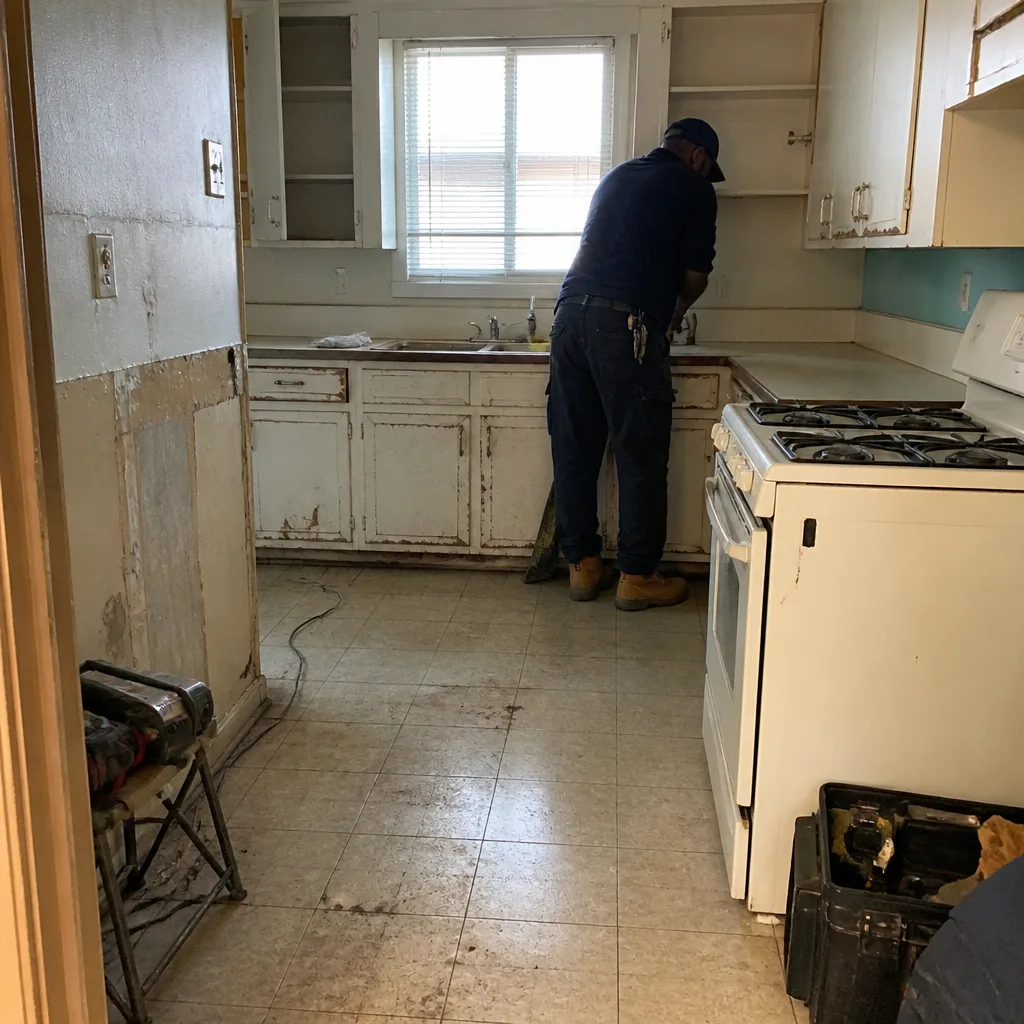 Before
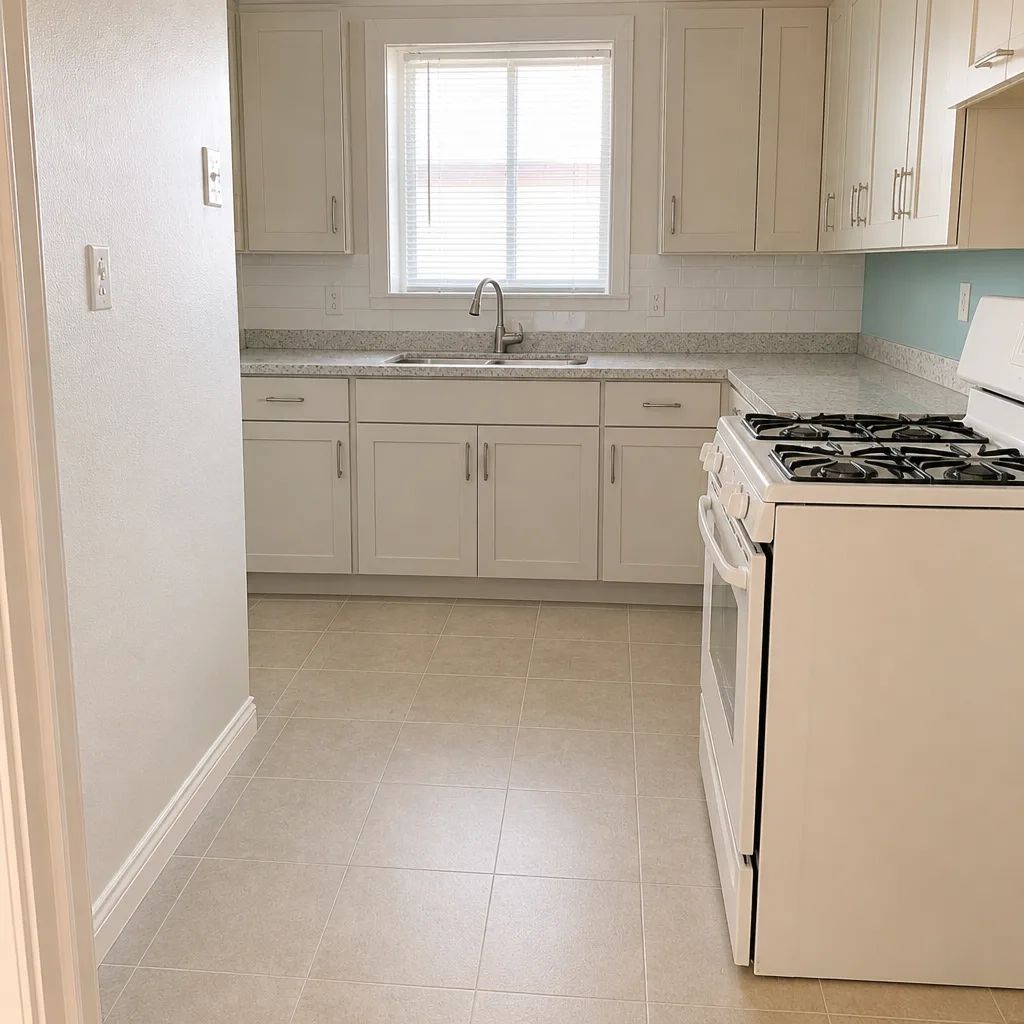 After
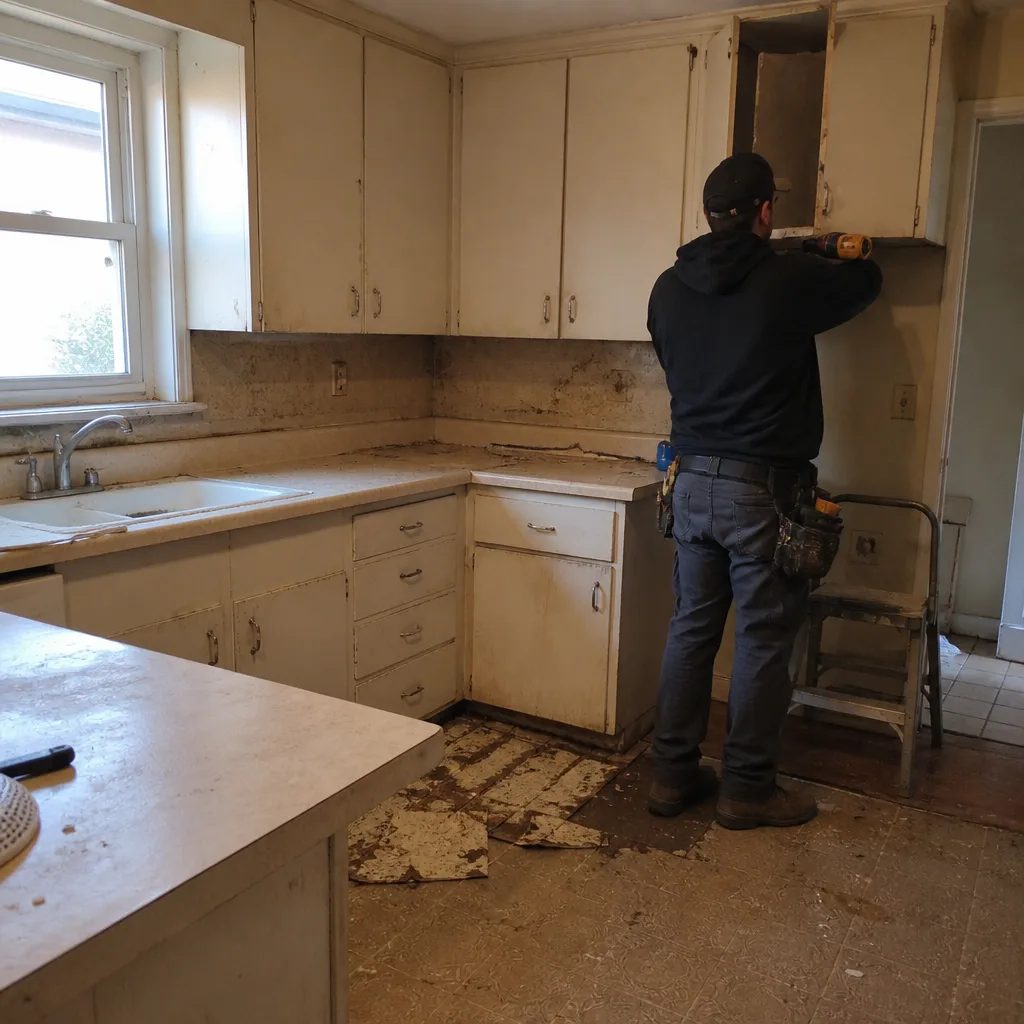 Before
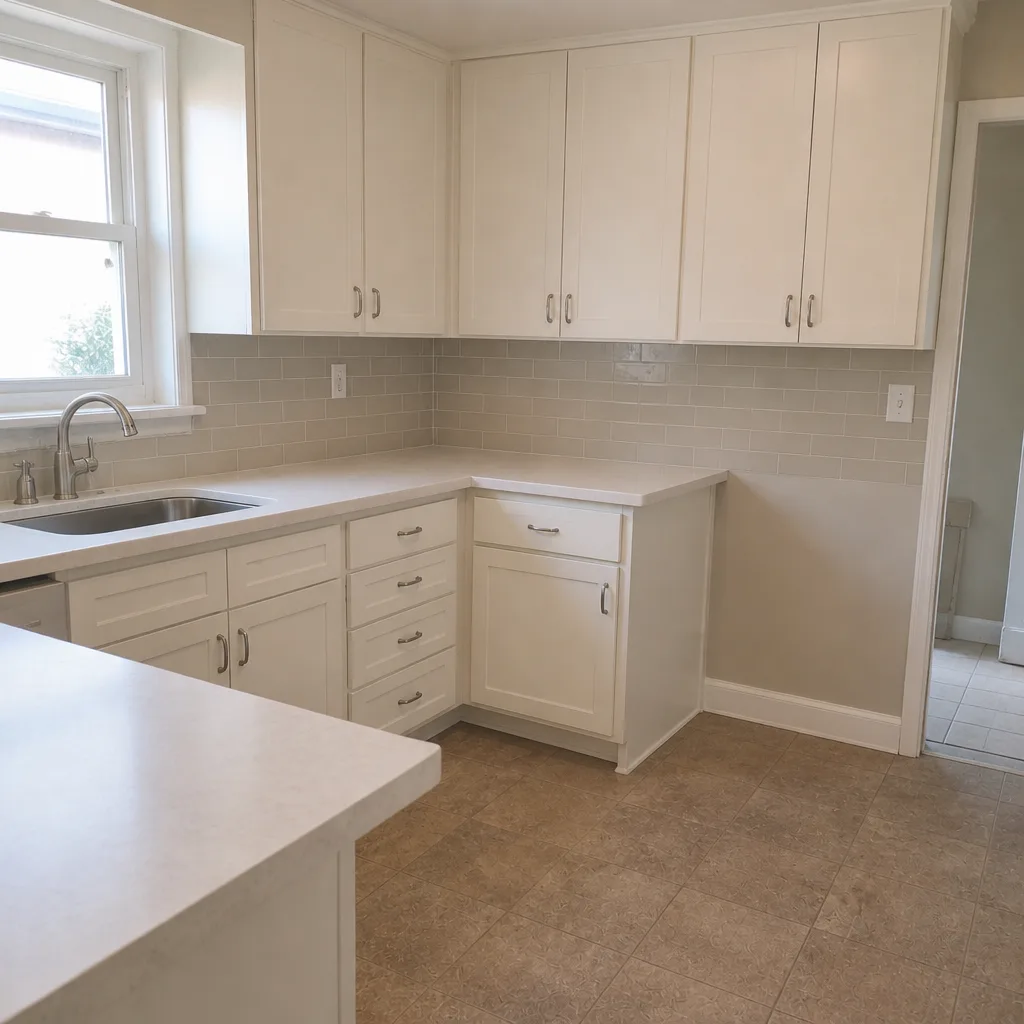 After
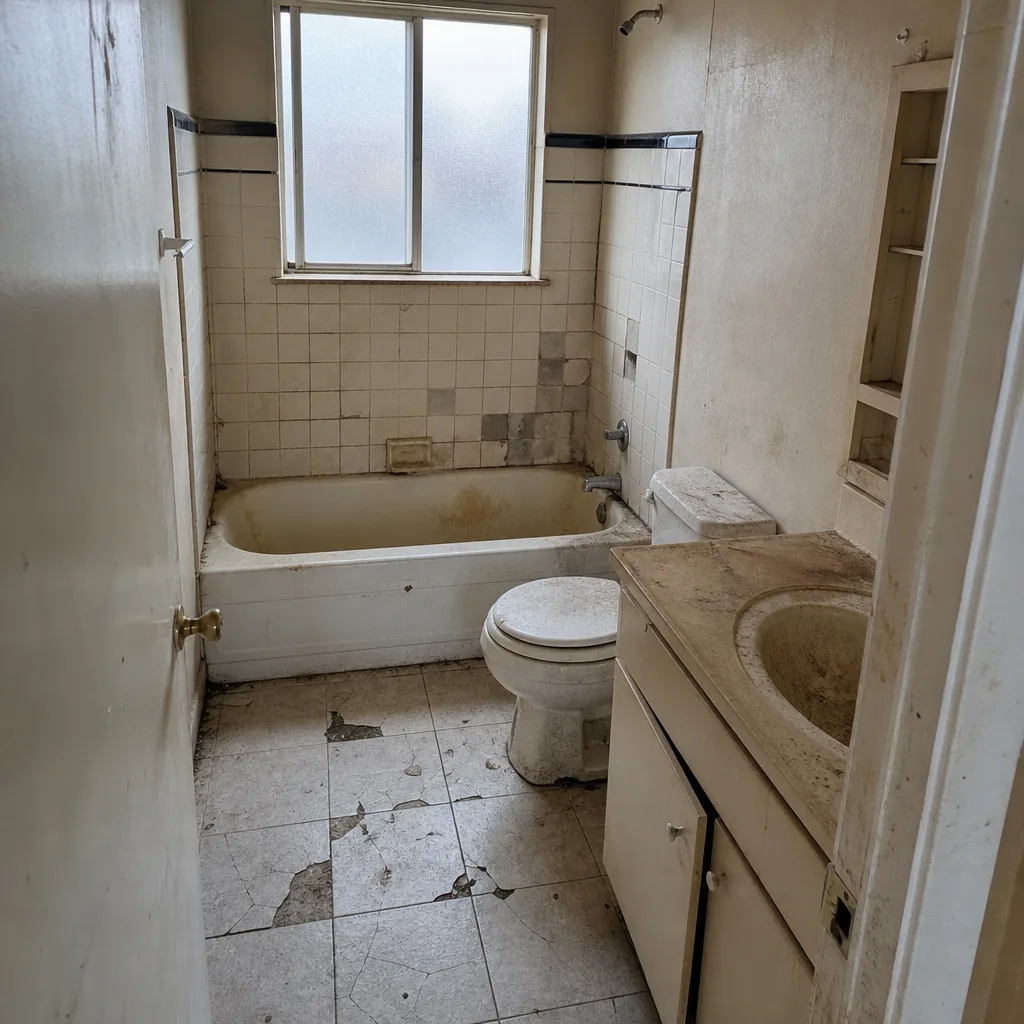 Before
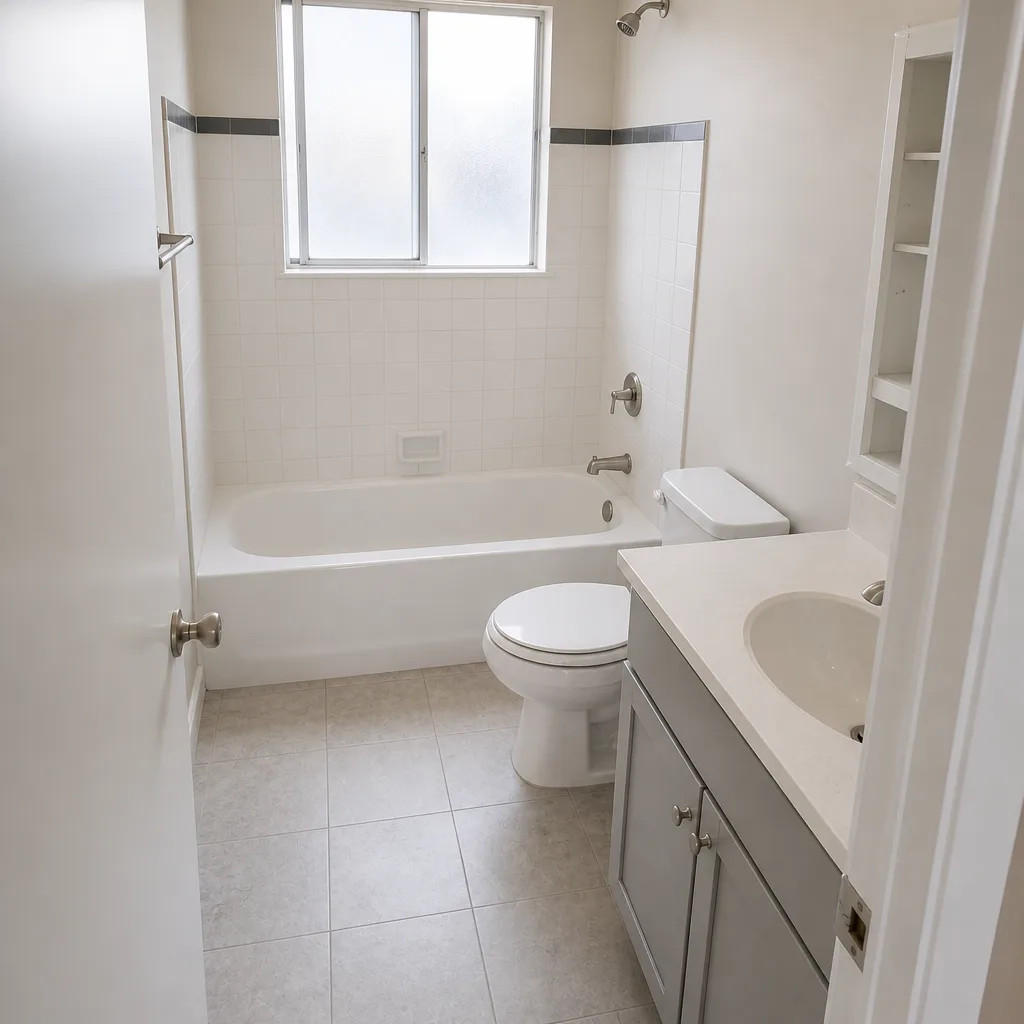 After
What Does a General Contractor Do in Fairfield, CA? The Answer Is on the Permit
A general contractor in Fairfield plans the work, pulls the permits, schedules and pays the subcontractors, buys materials against a written specification, and carries legal responsibility for code compliance long after the last trade leaves the site. That last part is the one most explanations skip. When a general contractor pulls a permit in Fairfield, their CSLB license number goes on that permit. If the work fails inspection two years later, the building department calls the contractor of record, not the homeowner and not the sub. That’s what a general contractor’s license actually buys you, and it’s worth understanding before you sign anything. Call (833) 998-3242 to talk through your project with a live person.
Key Takeaways
- The general contractor is the licensed party of record on every permit, which makes them legally accountable for code compliance after completion.
- In California, the GC is required to pay subcontractors from homeowner funds, and a GC who takes payment without paying subs can expose your property to a mechanic’s lien even when you paid in full.
- Fairfield’s building rules aren’t uniform. Work near the Travis AFB buffer or in unincorporated Solano County may fall under a different building department than work inside city limits.
- Written price, a background-checked crew, a reachable phone line, and a written post-completion guarantee are the four things that make a GC’s accountability real rather than theoretical.
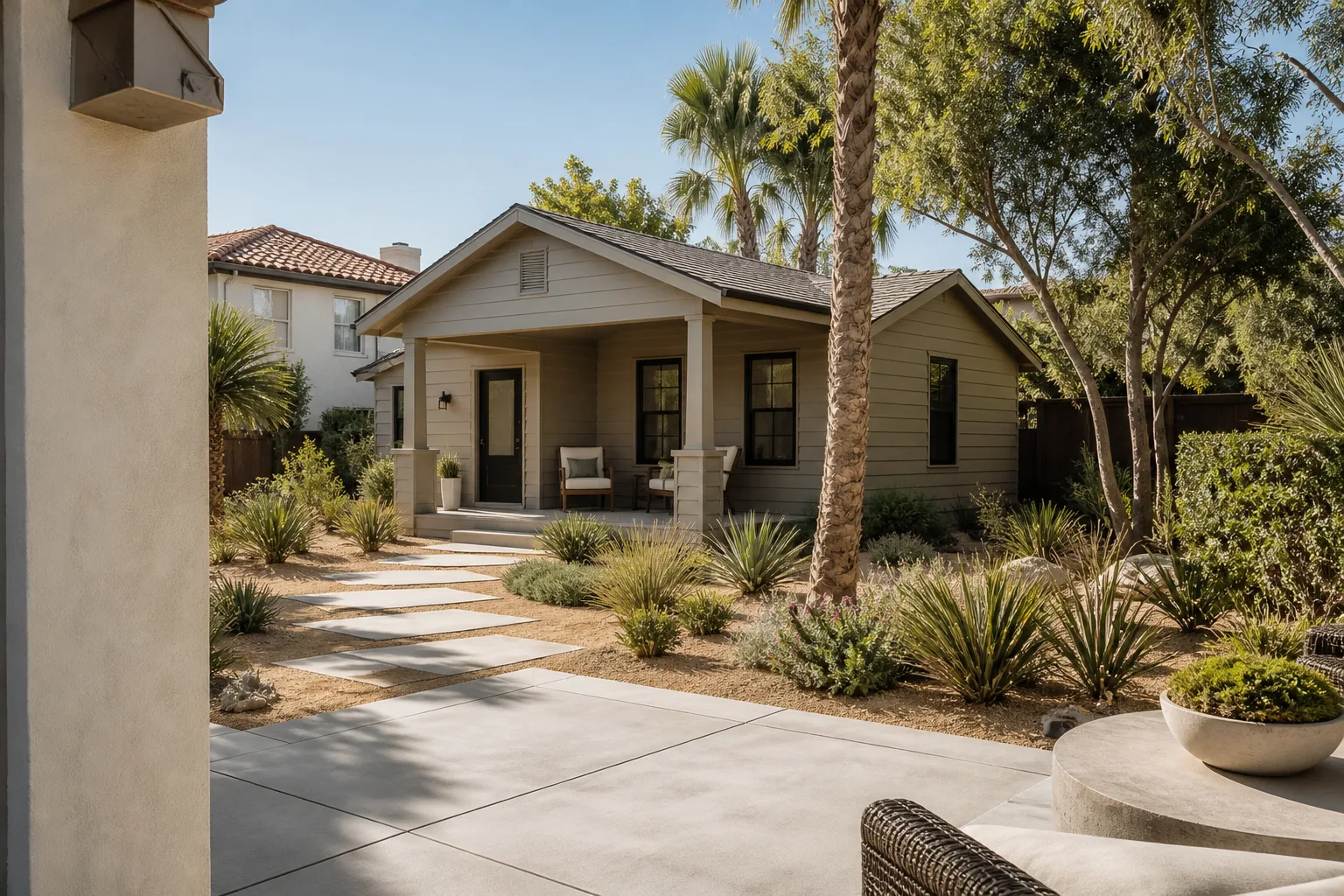
What “Licensed Party of Record” Means for You in Fairfield
Read the permit card taped to your front window during a remodel and you’ll see three names: the owner, the contractor, and the job address. That contractor line is the accountability anchor. Under California contracting law, the license holder is responsible for the work conforming to the code the permit was issued under. If an inspector catches a shear-wall nailing pattern that’s wrong, or a rough-in that doesn’t clear the hold-point, the correction order goes to the contractor of record.
That’s also why the permit has to be pulled by the right party in the first place. Fairfield isn’t one jurisdiction. A parcel in the unincorporated pockets can fall to Solano County, while a lot inside city limits runs through the City of Fairfield’s building department, and the Travis AFB-adjacent areas can bring a third set of eyes. The same project scope can require plans prepared for different reviewers depending on which side of the line the house sits. When the lines get crossed, the homeowner eats the delay: plan check comments come back, the schedule slides, and the crew you hired is standing around.
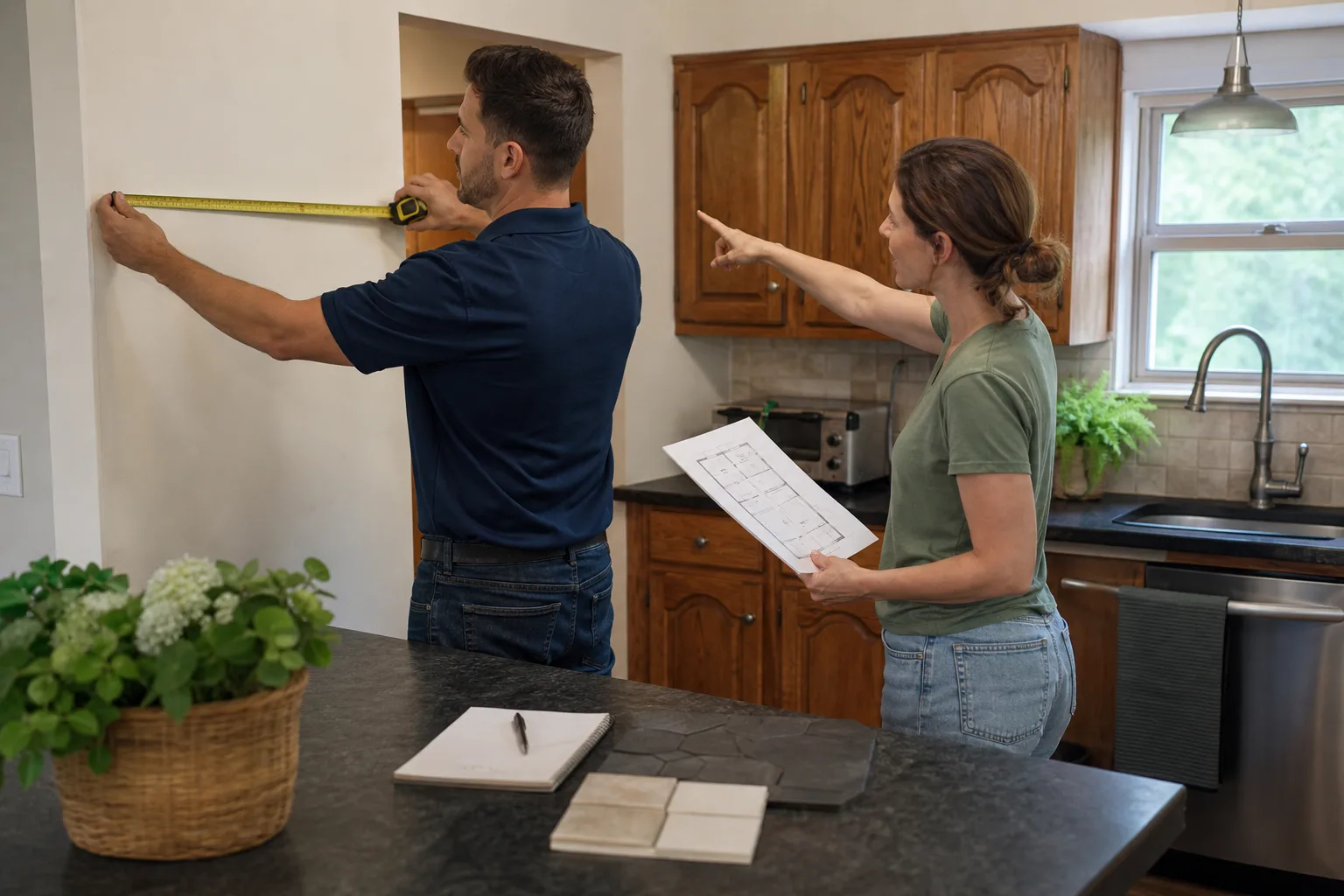
Bradford Remodeling Co Fairfield submits plan check to the correct building department for your address before scheduling a single trade. It’s a plain operational step, and it’s often the difference between a four-week plan check and a four-month one.
The Subcontractor Payment Chain and Why a Lien Can Reach Your House
Here’s the part that catches homeowners off guard. In California, the general contractor is legally obligated to pay the subcontractors and suppliers out of the funds you’ve paid them. If a GC collects your progress payment and doesn’t pass it down the chain, the unpaid sub or material supplier can record a mechanic’s lien against your property. You paid. You still have a lien on your title.
The protection is documentation, and it has to happen during the job, not after:
- Conditional lien releases tied to each payment. You pay, the sub signs a release confirming they were paid for the work covered by that draw.
- Unconditional releases at close. Final releases from every sub and every supplier with a contract over the statutory threshold.
- A written scope with change orders in writing. A change order that lives in a text message is not documentation.
- A materials specification you can read. When the spec names KraftMaid cabinetry or GAF roofing, the sub’s material order traces back to a document instead of a verbal description.
Ask any Fairfield general contractor how they handle lien releases. If the answer is vague, that’s a signal. A disciplined operation answers it in one sentence because they do it on every job.
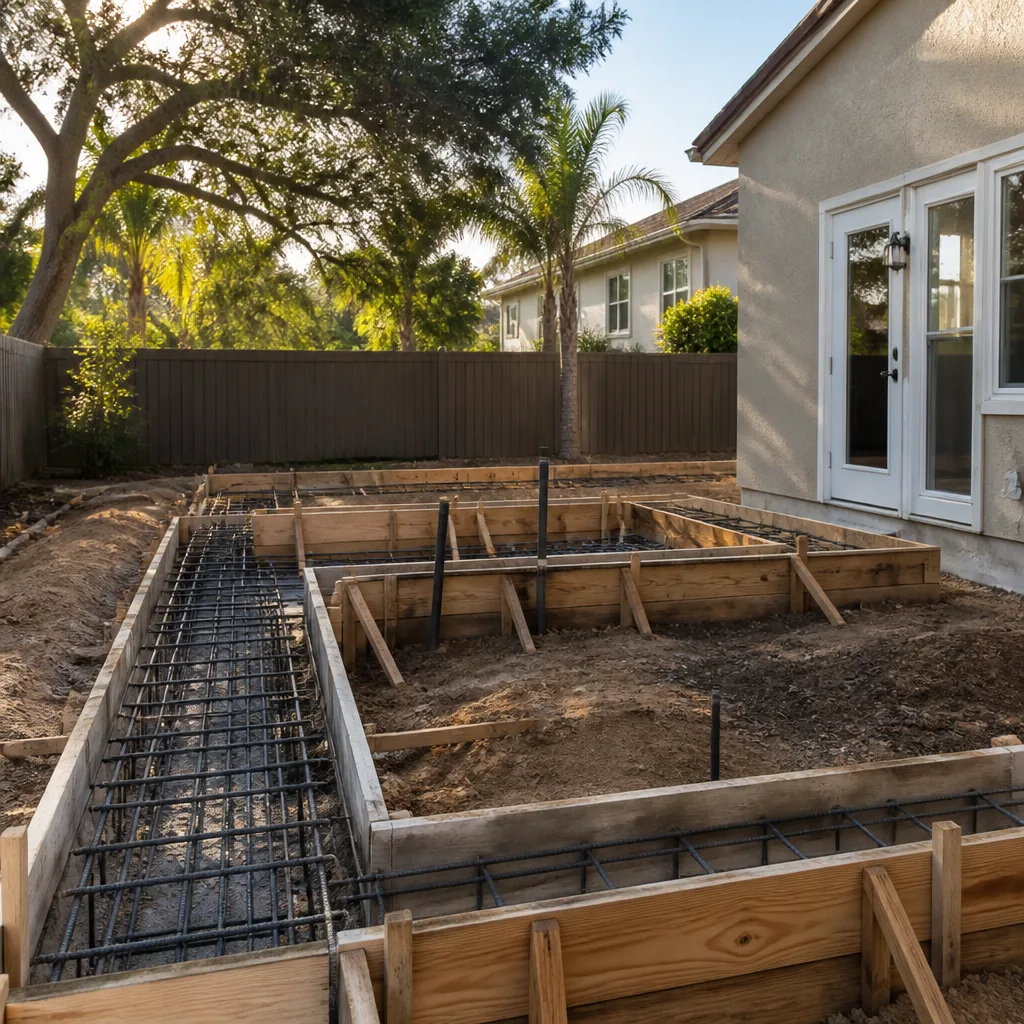
A Day on an Actual Fairfield Job: Plan Check to Hold-Points
The generic job description (“coordinates subs, manages the schedule”) hides the sequence that determines whether your remodel finishes on time. Here’s what the work looks like in practice on a Fairfield job.
Plan check and permit issuance. The GC assembles the plans, submits to the correct building department, tracks the comments, and gets the corrections back to the designer or engineer. Nothing moves until the permit is issued.
Rough-in and inspection hold-points. Framing, electrical, plumbing, and mechanical rough-ins each stop for inspection before the walls close. This is where local knowledge shows. A GC who has never worked with a particular Solano County inspector’s sequencing will stack trades assuming a 48-hour turnaround that doesn’t exist, and the whole job stalls at the drywall stage. Bradford schedules subs around the inspection hold-points for your specific jurisdiction, not against a generic calendar.
Materials procurement against the written spec. Cabinets, surfaces, and plumbing fixtures get ordered to spec. The trade terms matter here: for a kitchen, the cabinet boxes set the rough dimensions, and the countertop template comes after the base cabinets are set and level. Get that order wrong and you’re re-templating a Cambria or Caesarstone slab, which is a real cost. That’s why the spec gets written down before the order goes out.
Exterior detailing for the local climate. Fairfield’s Suisun Valley wind corridor brings stiff afternoon winds off the hills, and the newer Cordelia subdivisions see stucco cracking on west-facing walls as a recurring repair call. Roof tie-downs and siding attachment matter here more than in a sheltered Bay Area city. On the older ranch homes near the downtown and Fairfield High area, we regularly see deferred substrate repairs surface once the old siding comes off. A written scope anticipates that; a verbal one discovers it mid-job.
What a General Contractor Costs in Fairfield
A general contractor’s price in Fairfield depends on the scope, but the ranges below reflect the local market for common project types. These are typical figures, not the cheapest bid you’ll find, and not the highest either. The number that matters is the one written down before work starts.
| Project Type | Typical Fairfield Range |
|---|---|
| Kitchen remodel | $14,000 - $45,000 |
| Bathroom remodel | $9,000 - $28,000 |
| Home addition | $45,000 - $130,000 |
| ADU construction | $90,000 - $220,000 |
| Garage conversion | $30,000 - $80,000 |
| Roof replacement | $8,000 - $20,000 |
| Window replacement | $4,500 - $15,000 |
A written price covers the scope the documents describe. If the scope changes, it changes in writing, with a number attached, before the work happens. That’s the whole discipline: no numbers that move at the door.
How Bradford’s Model Maps to GC Accountability
Every accountability function a general contractor carries has an operational counterpart. Four of them matter most to a homeowner who has been burned before.
Price certainty. You get a written price before any work starts. That’s a firm commitment, not a ballpark, and it’s the thing that makes scope changes documented instead of verbal.
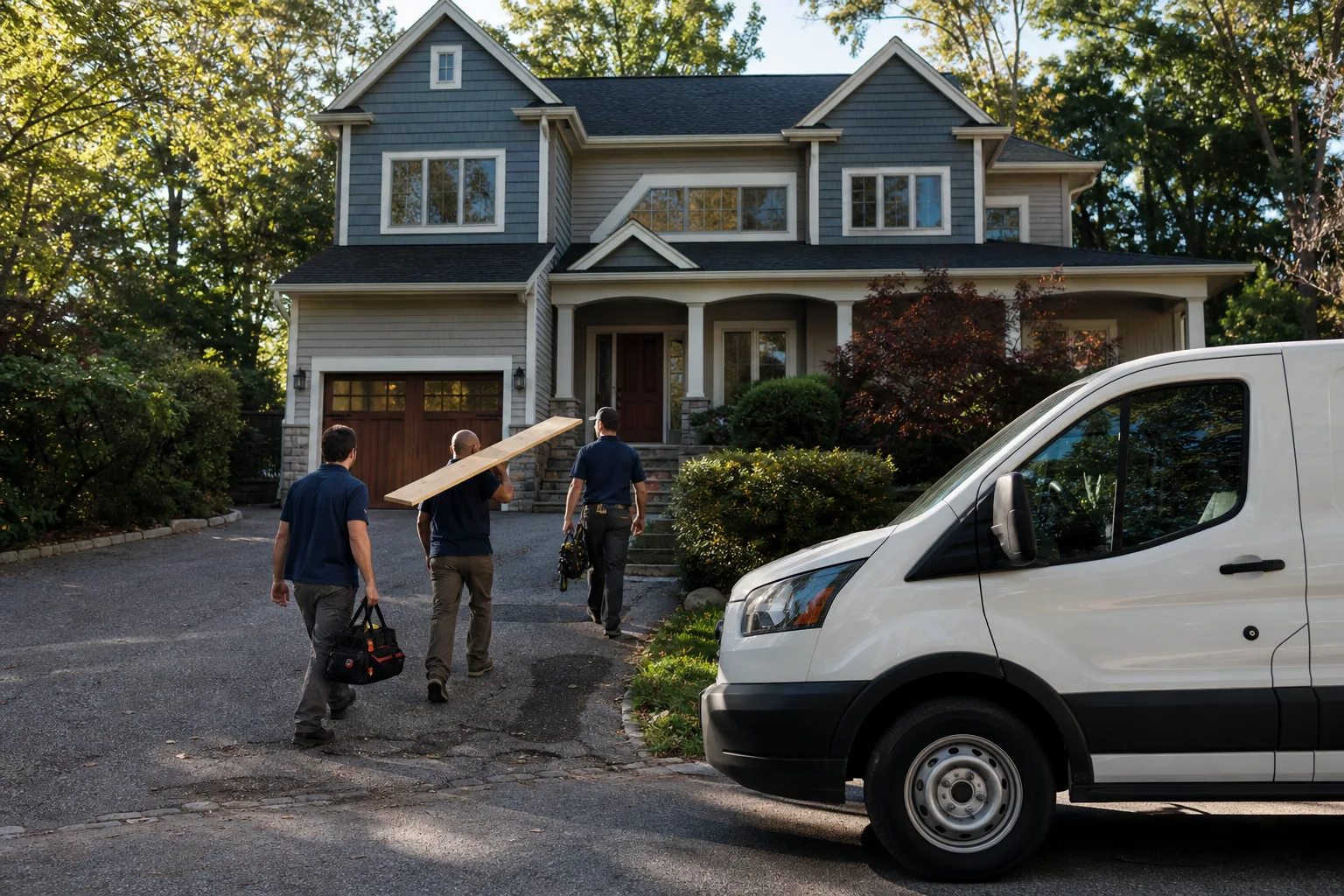
Crew accountability. Background-checked technicians, with identity and conduct standards set at the Garrison Partners level. You know who is coming through your door before the crew arrives.
Accessibility when problems arise. A live person answers the phone, 24 hours a day. No voicemail, no callback queue.
Post-completion coverage. The 365-Day Done Right Promise is a written guarantee on every completed project. If the work fails within that full year, Bradford returns and corrects it at no charge. When a problem surfaces after close, you call a person and someone comes back.
Those four pieces are what the license is for, boiled down. The permit puts the contractor on record. The guarantee keeps them there. Our technicians have up to 22 years of experience, and that experience shows up most clearly when a job hits something the plans didn’t anticipate.
Frequently Asked Questions
A general contractor carries the license and the legal accountability for the whole job; subcontractors perform specific trades under that contractor’s coordination. The GC pulls the permit, sequences the trades around inspection hold-points, buys materials to a documented specification, pays the subs, and answers to the building department as the party of record. A sub’s responsibility ends with their own work; the GC’s responsibility extends through final inspection and beyond.
California allows an owner-builder exemption for owner-occupied residential work, but the tradeoff is real: you take on the inspection risk, the lien exposure, and the scheduling. If a sub’s work fails inspection, the correction is yours to manage. If a sub isn’t paid, the lien can reach your property. Most Fairfield homeowners reach for a licensed GC once they understand that the permit number goes on someone’s license, and it isn’t theirs.
It depends on the parcel. Work inside city limits typically runs through the City of Fairfield’s building department, work in unincorporated pockets runs through Solano County, and the Travis AFB-adjacent areas can bring additional review. A contractor who assumes city rules apply everywhere is likely to miss a hold-point. We confirm the correct jurisdiction for your address before the permit application goes in, and that one step often saves weeks.
The sub or supplier can record a mechanic’s lien against your property, even if you paid the general contractor in full. California law requires the GC to pay subs from the funds you’ve paid them, and lien releases are the documentation trail that proves it happened. We collect conditional releases with each draw and final unconditional releases at close so the chain stays clean. Call (833) 998-3242 with questions about a project, and we’ll walk you through how it works.
If you’d rather have your project looked at by someone who puts the scope in writing, Bradford Remodeling Co Fairfield offers a no-pressure assessment in Fairfield. Live person answers the phone: (833) 998-3242.
Written by the team at Bradford Remodeling Co Fairfield, serving Fairfield, CA.