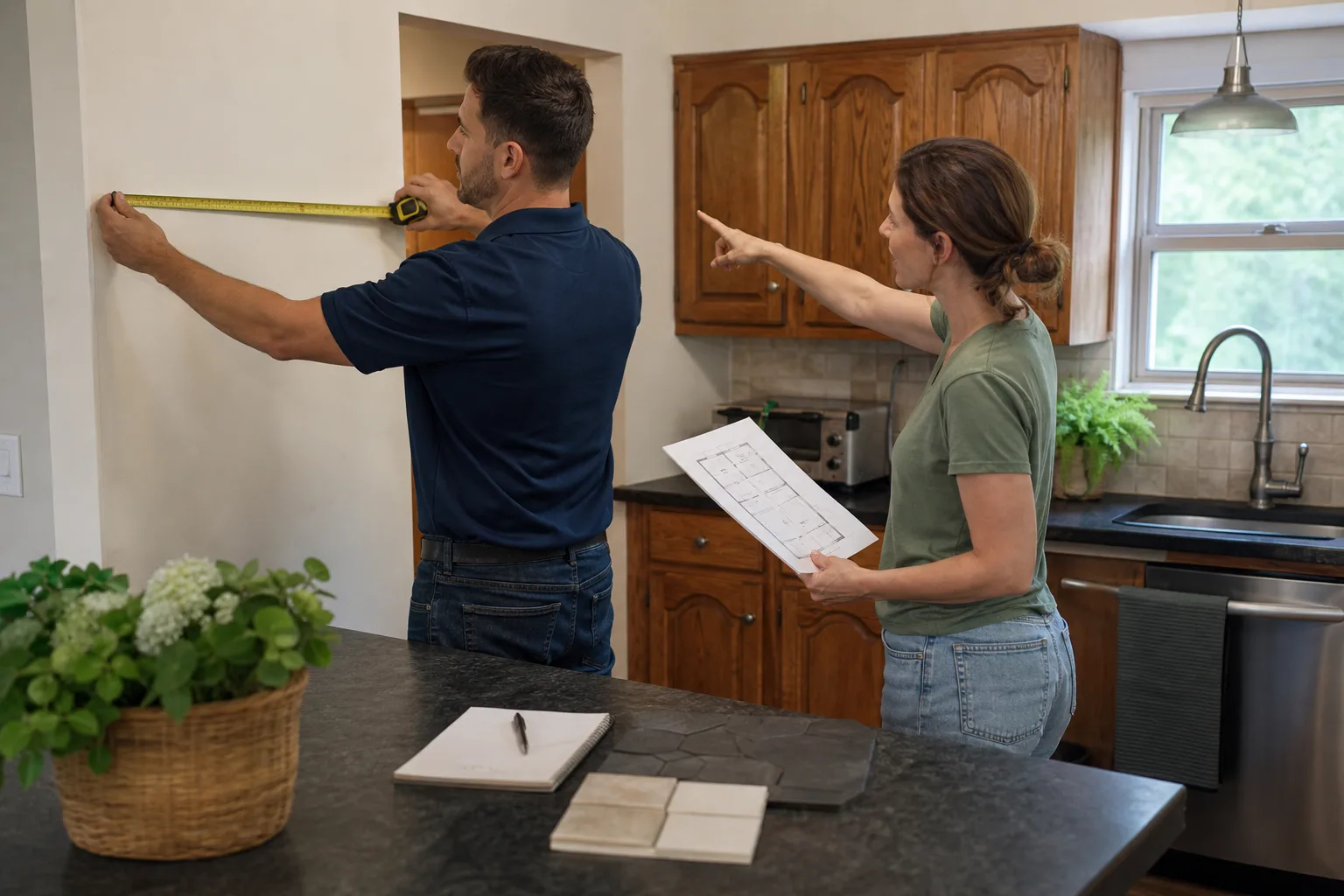



Free written scope consultation - allowances, timeline, and change-order rules on paper before a single trade is scheduled
Styles & brands we work with
- Kitchen remodeling
- Bathroom remodeling
- Home additions & ADU
- Roofing
- Windows & doors
- Driveway & pavers
- Fence
See the difference
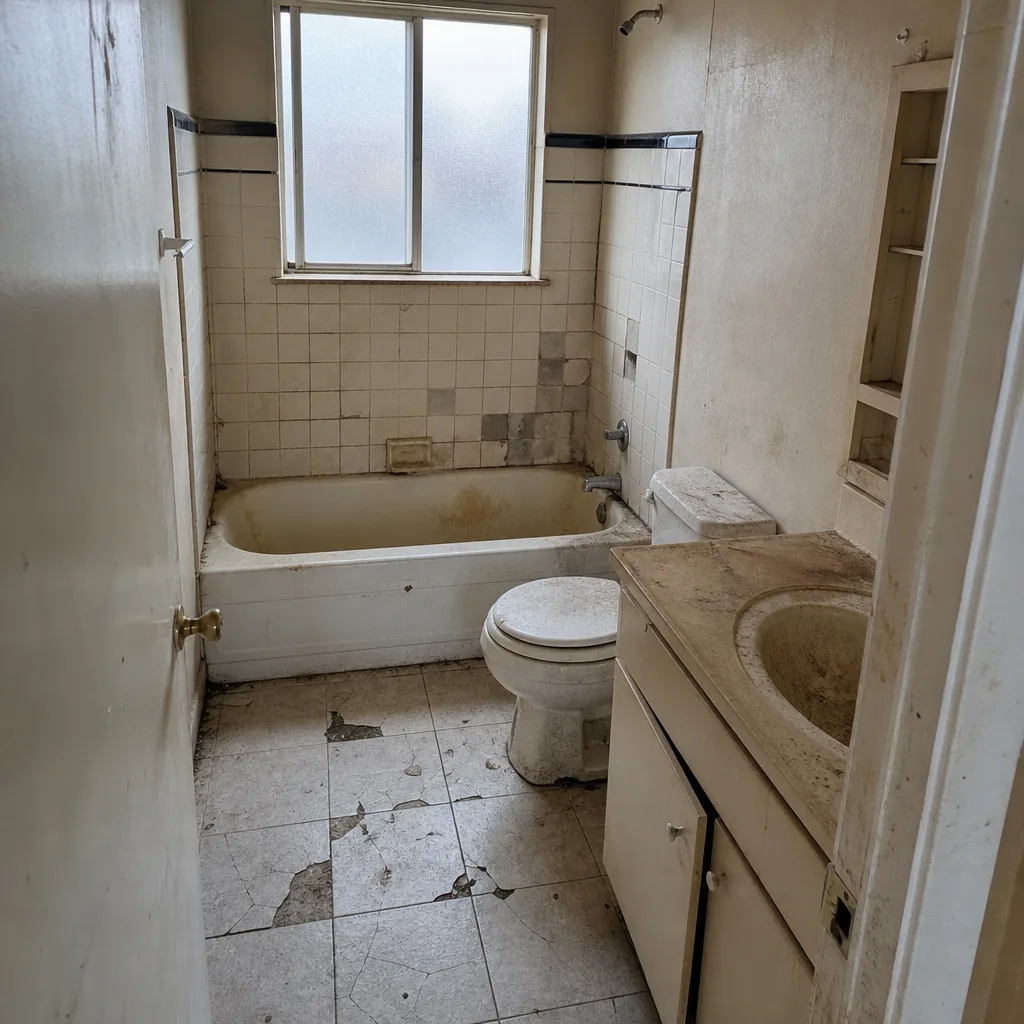
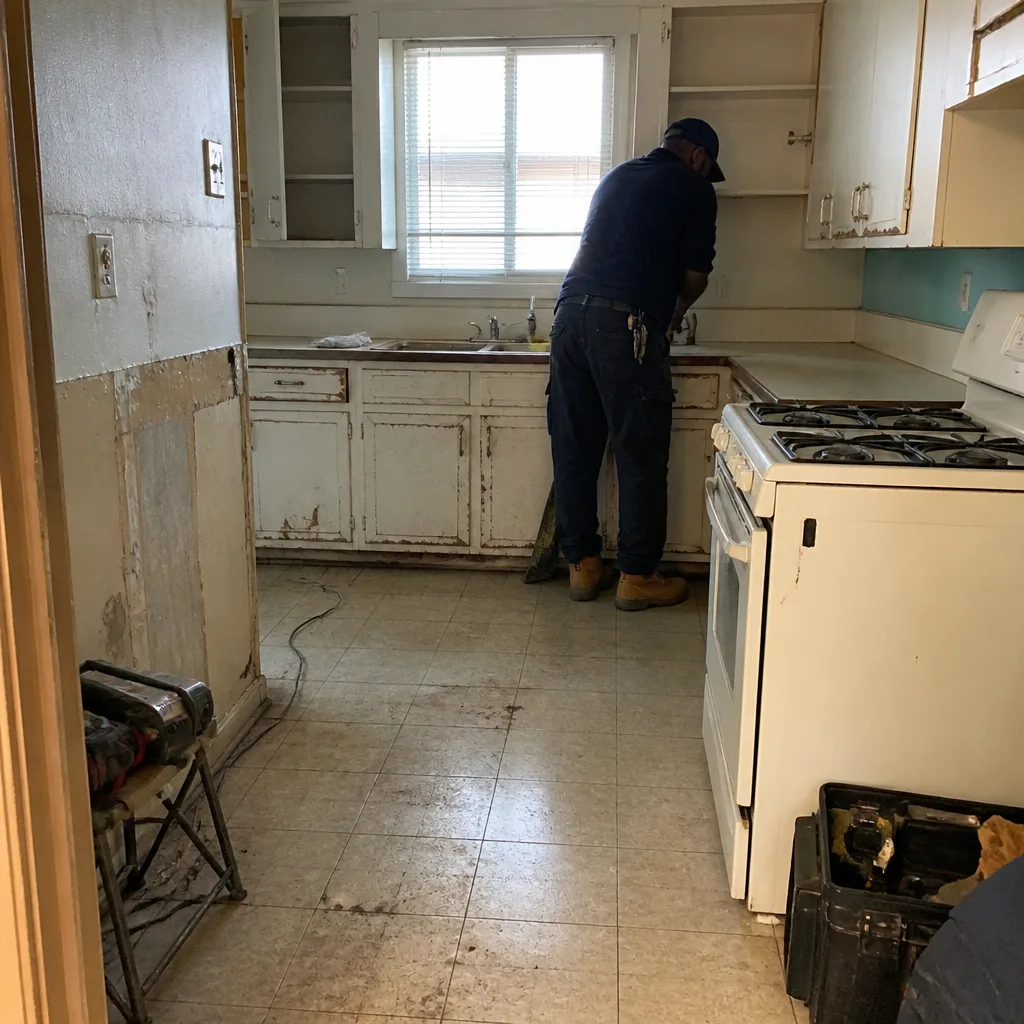 Before
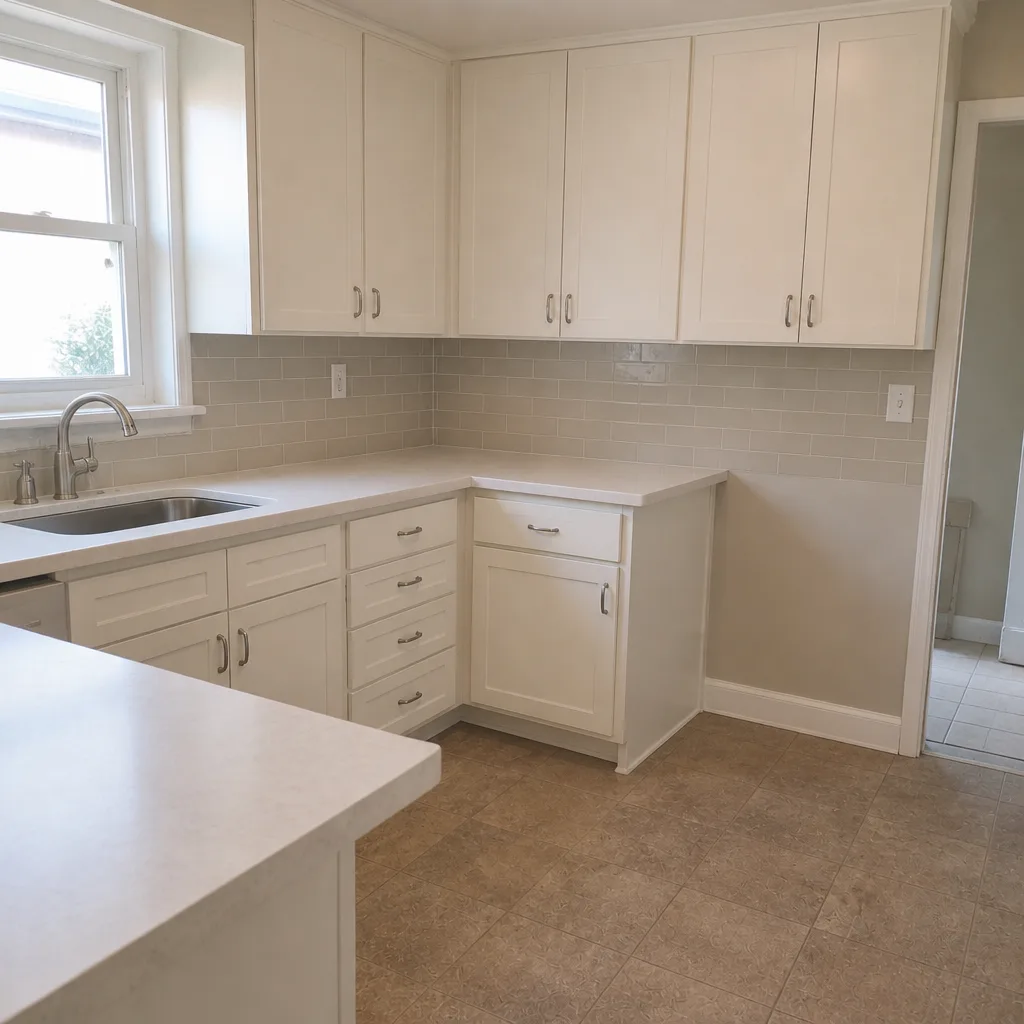
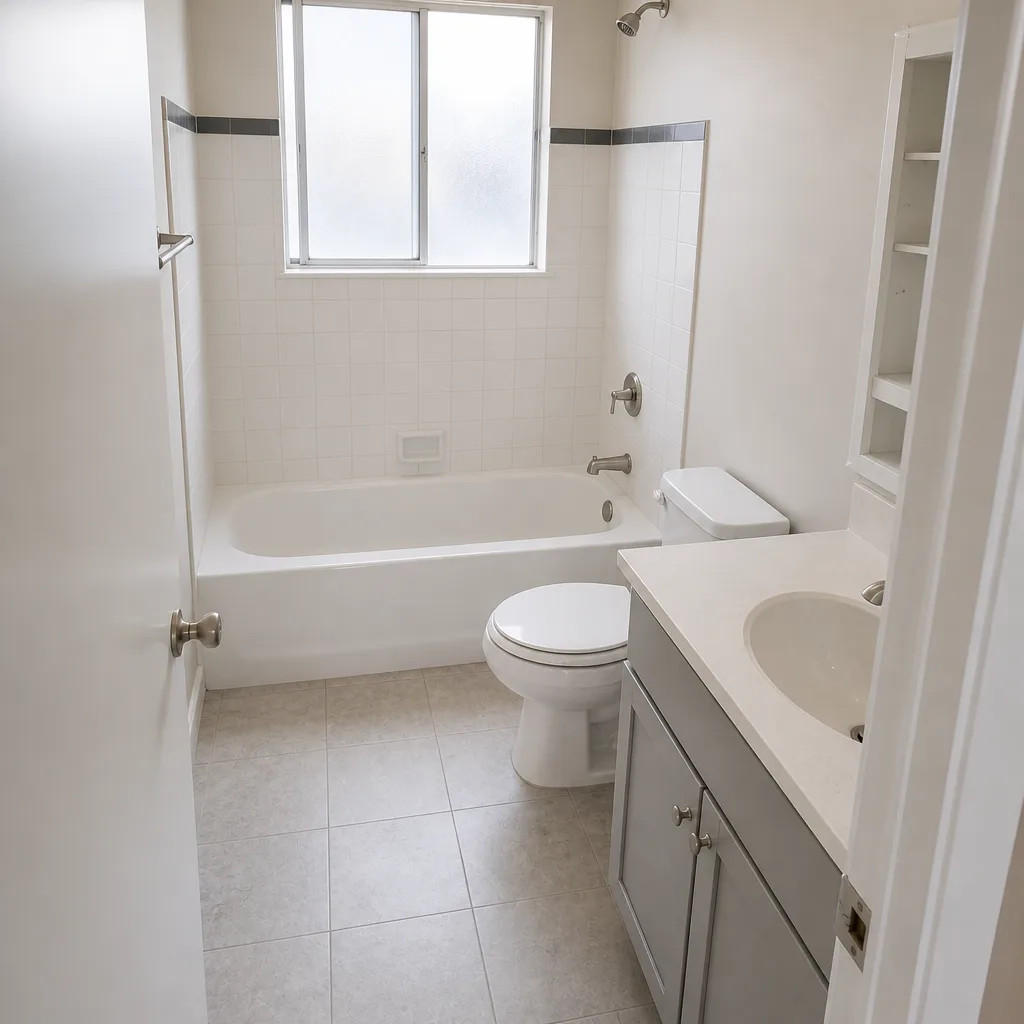
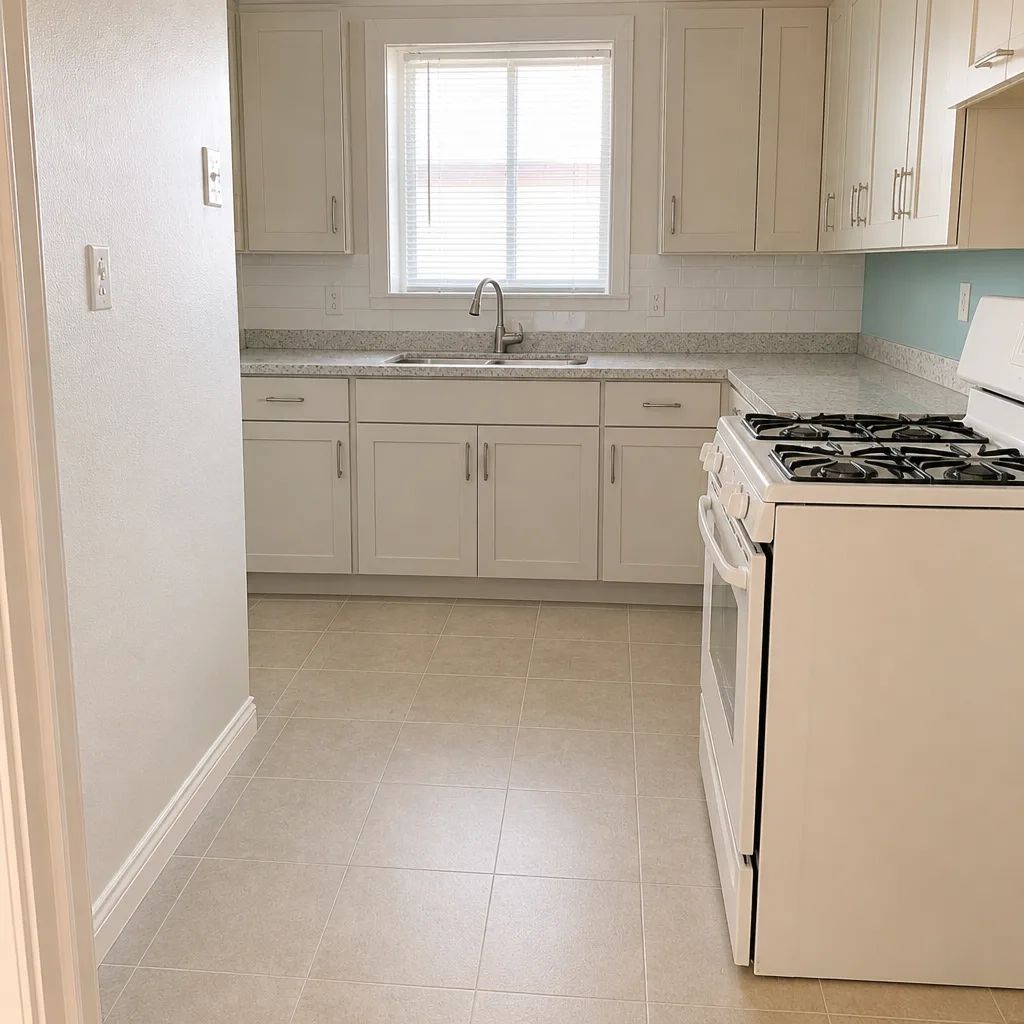 After
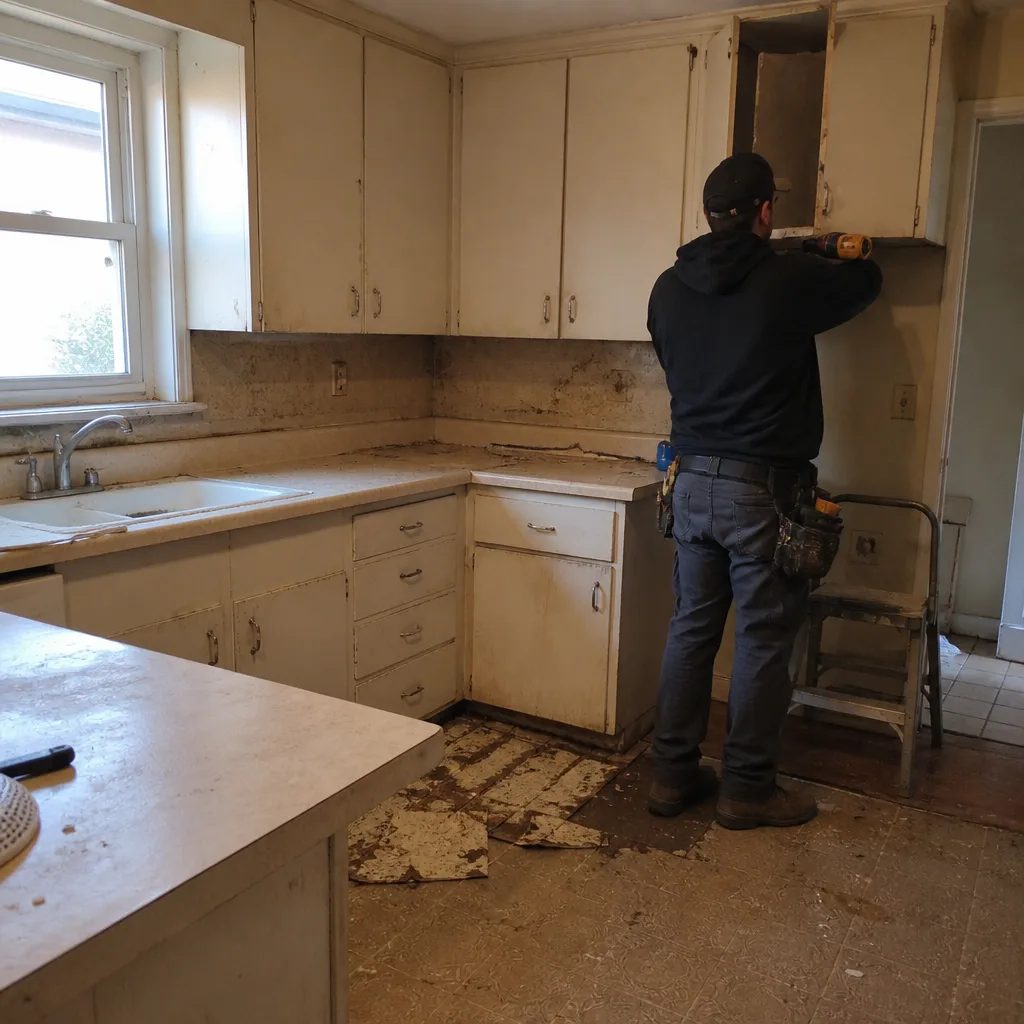 Before
 After
 Before
 After
General Contractor vs Handyman in Fairfield, CA: The $500 Line That Decides It
Choose a licensed general contractor for anything that costs more than $500 in combined labor and materials, or that touches electrical, plumbing, structural, or permitted work. Use a handyman for the small stuff: a sticking gate, a patch of drywall, a screen door that won’t latch. The dividing line in California isn’t talent. It’s who carries the license, who pulls the permit, and who is legally on the hook when something goes wrong. In Fairfield, that question comes up more than you’d expect, and the answer matters most when it’s time to sell. Call (833) 998-3242 for a free, no-pressure assessment of where your project lands.
A handyman can legally charge you to patch drywall. The moment that patch covers a new electrical circuit or a structural header, work that requires a permit in California, you have an unlicensed contractor problem instead of a savings. That’s the whole argument, and it’s worth walking through slowly.
What Is the California Contractor License Threshold?
Under California Business and Professions Code, any single project over $500 in combined labor and materials legally requires a CSLB-licensed contractor. That’s not a per-day rate or a per-task number. It’s the total for the job. Most Fairfield homeowners don’t know this figure, and it quietly reshapes the whole “cheaper to hire a handyman” conversation. A kitchen remodel here runs $14,000 to $45,000. A bathroom sits at $9,000 to $28,000. Not a single one of those lands under $500.
Where the $500 Line Actually Matters in Fairfield
Here’s what makes this local. Fairfield sits where Solano County’s wind-prone, semi-arid climate meets rapid infill growth. You can’t assume City of Fairfield rules apply in the unincorporated pockets or the Travis AFB buffer zones. The same job can need plans stamped for three different building departments depending on which side of the line it falls. A licensed GC knows the stamp. A handyman usually doesn’t, and can’t pull the structural, electrical, or plumbing permit anyway.
That’s the fact that doesn’t make it onto the invoice: when a handyman does permitted-scope work, the homeowner becomes the unlicensed owner-builder on record, holding full code liability. Noncompliance can stay buried for years. It tends to surface at the worst time: the property inspection before a sale.
The Permit Liability Chain: Who’s Actually Responsible?
A licensed GC pulls permits under their own license number and assumes code-compliance liability. That’s the deal. If the rough-in fails inspection, the GC eats the return visit, not you. A handyman can’t pull those permits, which means the liability stacks on your shoulders the moment the work starts.
- Electrical: a new circuit, a panel change, a kitchen rewire. Permitted work with an inspection trail, or an owner-builder record with none.
- Plumbing: relocating a drain for a tub-to-shower conversion, which runs $3,500 to $10,000 in Fairfield. The rough-in gets inspected; the finish never does.
- Structural: removing a header, opening a wall, adding a beam. These need stamped plans, and a handyman can’t stamp them.
- Stucco and siding attachment: the West-facing walls in Cordelia tract subdivisions take the afternoon wind corridor head-on. Quick fixes that skip lath inspection leave moisture intrusion behind, and that intrusion voids the manufacturer warranty on the stucco system.
That last point is the one we get called about most. The newer Cordelia subdivisions see recurring wind-driven stucco cracking on their west-facing walls. When an unlicensed crew patches over the crack without pulling the required lath inspection, the repair looks fine for a season. Then the moisture shows up inside.
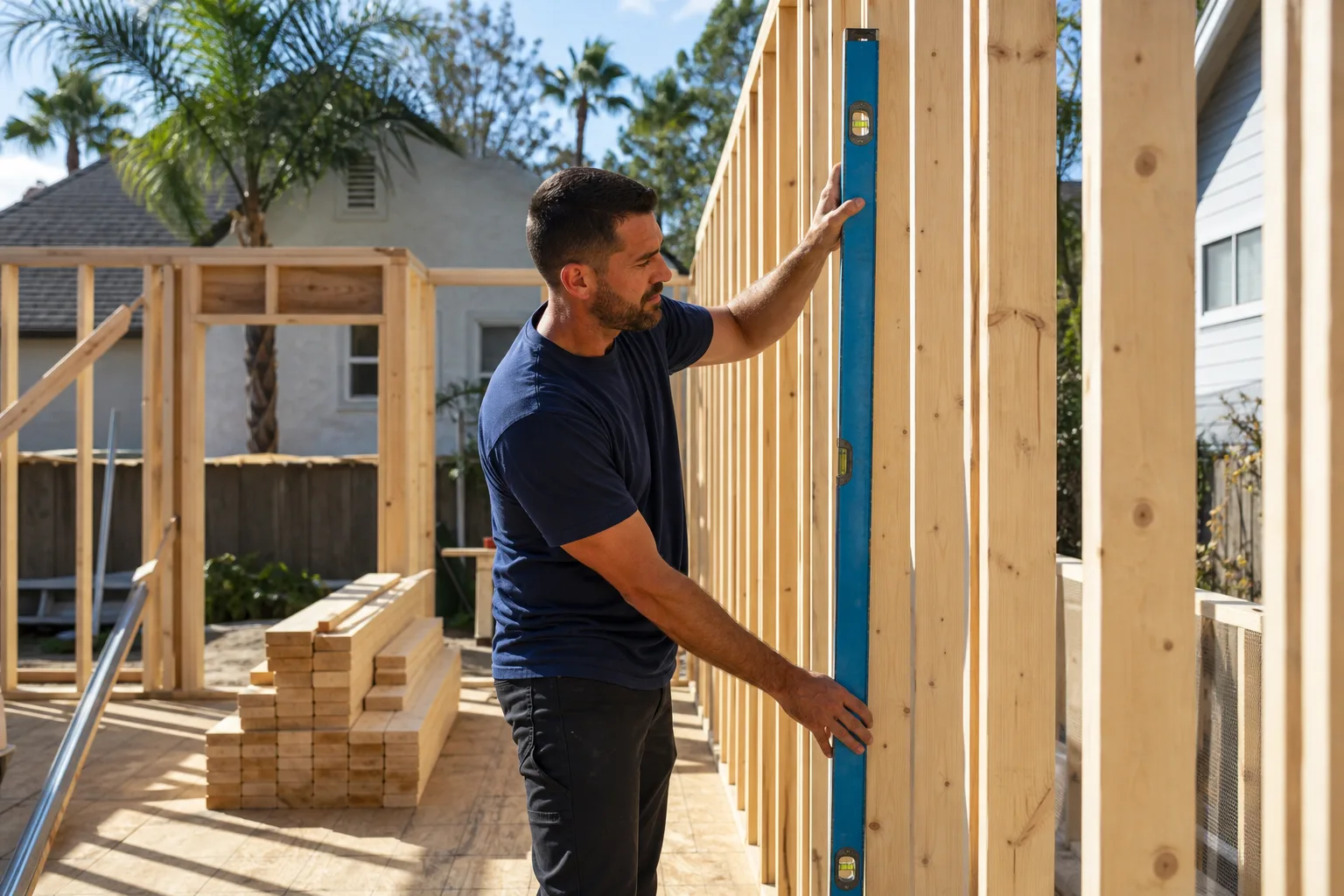
Contract vs Invoice: The Paper Tells You Who You’re Hiring
A GC contract must include start and end dates, a payment schedule tied to progress, and a change-order clause spelling out how scope adjustments get priced. A handyman invoice typically contains a lump sum and a handshake. That difference isn’t paperwork trivia. It’s your decision-making checklist, and it’s already written into California law.
| What to check | Licensed GC contract | Typical handyman invoice |
|---|---|---|
| Start and completion dates | Named in writing | Usually absent |
| Payment schedule | Tied to milestones | Lump sum on completion |
| Change-order clause | Priced in advance | Often verbal |
| Permit responsibility | Pulled under contractor license | Homeowner becomes owner-builder |
| Named subcontractors | Listed in scope | Not disclosed |
| Written guarantee | Included | Rarely offered |
At Bradford Remodeling Co Fairfield, every scope is named in writing before work starts, including which subcontractors handle electrical and plumbing. That’s how The Garrison Standard works in practice: you know who is on your property and why before the first tool comes out. Technicians arrive background-checked and uniformed, so nobody is a stranger at the door.
What a Written Price Should Look Like
Fairfield’s older downtown ranch homes and the 1980s-2000s tract housing across the Cordelia and Green Valley edges are where most remodel and ADU work lands. Those properties have substrate quirks that a phone quote can’t capture. We put a written price in your hand before any work starts, every time, with no numbers that move at the door. If a bid shifts after the walkthrough, that shift gets explained and approved, not sprung on you at close.
Compare that against the handyman model, where the price appears on the invoice after the fact. The cheaper number you heard on the phone isn’t the number you end up paying once the surprises surface.
When a Handyman Is Genuinely the Right Call
A handyman makes sense for jobs that stay small and stay visible. Hanging a door, replacing a faucet cartridge, patching nail holes, tightening a fence panel. Nothing electrical, nothing structural, nothing permitted. Under $500 total, and you’re likely fine.
Once the work crosses into a permit or a structural change, the math flips. A roof replacement runs $8,000 to $20,000. A home addition runs $45,000 to $130,000. An ADU runs $90,000 to $220,000. On projects that size, the contractor’s license, the permit trail, and the written guarantee are the actual product you’re buying. Unlicensed work is a title defect risk, and it can sit quietly in a Fairfield house until a buyer’s inspector finds it.
Which One Should You Hire for Your Fairfield Project?
Hire the GC when the project needs a permit, touches electrical, plumbing, or structure, or runs past $500. Hire the handyman for maintenance that stays cosmetic and small. That’s the honest framework, and it doesn’t require trusting anybody’s sales pitch.
Roof and exterior materials on these wind-corridor homes matter too. We work with documented manufacturers like GAF, James Hardie, and Therma-Tru, so specifications stay traceable and the warranty backs up our own guarantee. Every completed project carries the 365-Day Done Right Promise: if the work fails inside that window, we come back and correct it at no charge. A live person answers the phone around the clock, and a crew chief will give you a straight number for your Fairfield project. Start with our home page and we’ll take it from there.
FAQs
Yes. Any single project that totals more than $500 in combined labor and materials legally requires a CSLB-licensed contractor in California. That’s judged on the whole job, not per task. Above that line, an unlicensed handyman is doing work the state says needs a license, and the homeowner carries the liability. Call (833) 998-3242 if you want a free read on where your project sits.
No. A handyman cannot pull structural, electrical, or plumbing permits. Those require a licensed contractor operating under their own license number. Without one, the homeowner becomes the unlicensed owner-builder on record, holding full code-compliance liability. In Fairfield’s multi-jurisdiction environment, that also means plans may need filing with City of Fairfield, unincorporated Solano County, or a Travis AFB-adjacent department, depending on the parcel. Estimators are free, so call for an exact quote.
Replacing usually costs more once permits and code corrections stack up. A patch that covers a new circuit or a structural header tends to resurface at resale, and the correction cost lands on you. A Cordelia stucco repair that skipped lath inspection runs into moisture intrusion and a voided stucco warranty. A proper repair might run $400 to $1,800 on a roofing call, while replacing the failed assembly costs thousands. Get a written price before any work starts. Call (833) 998-3242 and we’ll give you one.
A GC contract must include start and end dates, a payment schedule tied to progress, and a change-order clause. California requires those terms, and they’re what separates a contract from an invoice. It should also name which subcontractors handle electrical and plumbing, and spell out the written guarantee. That’s how The Garrison Standard runs: the price and the guarantee are in writing before a tool comes out. Call for a free estimate and we’ll walk you through it line by line.
If you’d rather have it looked at, Bradford Remodeling Co Fairfield offers a no-pressure assessment in Fairfield. Call (833) 998-3242 and we’ll put the scope, the price, and the 365-Day Done Right Promise in writing before anything starts.
Written by the team at Bradford Remodeling Co Fairfield, serving Fairfield, CA.