Free written scope consultation - allowances, timeline, and change-order rules on paper before a single trade is scheduled
Styles & brands we work with
- Kitchen remodeling
- Bathroom remodeling
- Home additions & ADU
- Roofing
- Windows & doors
- Driveway & pavers
- Fence
See the difference
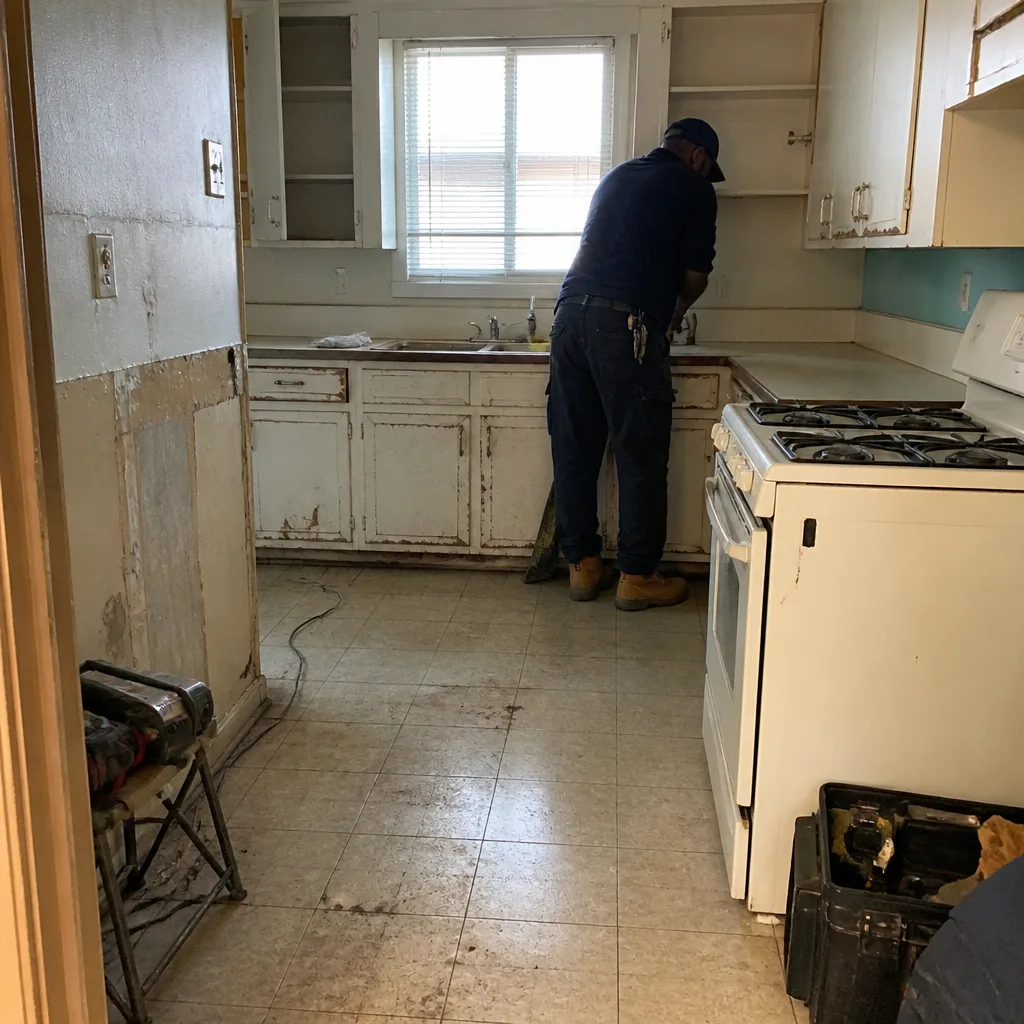 Before
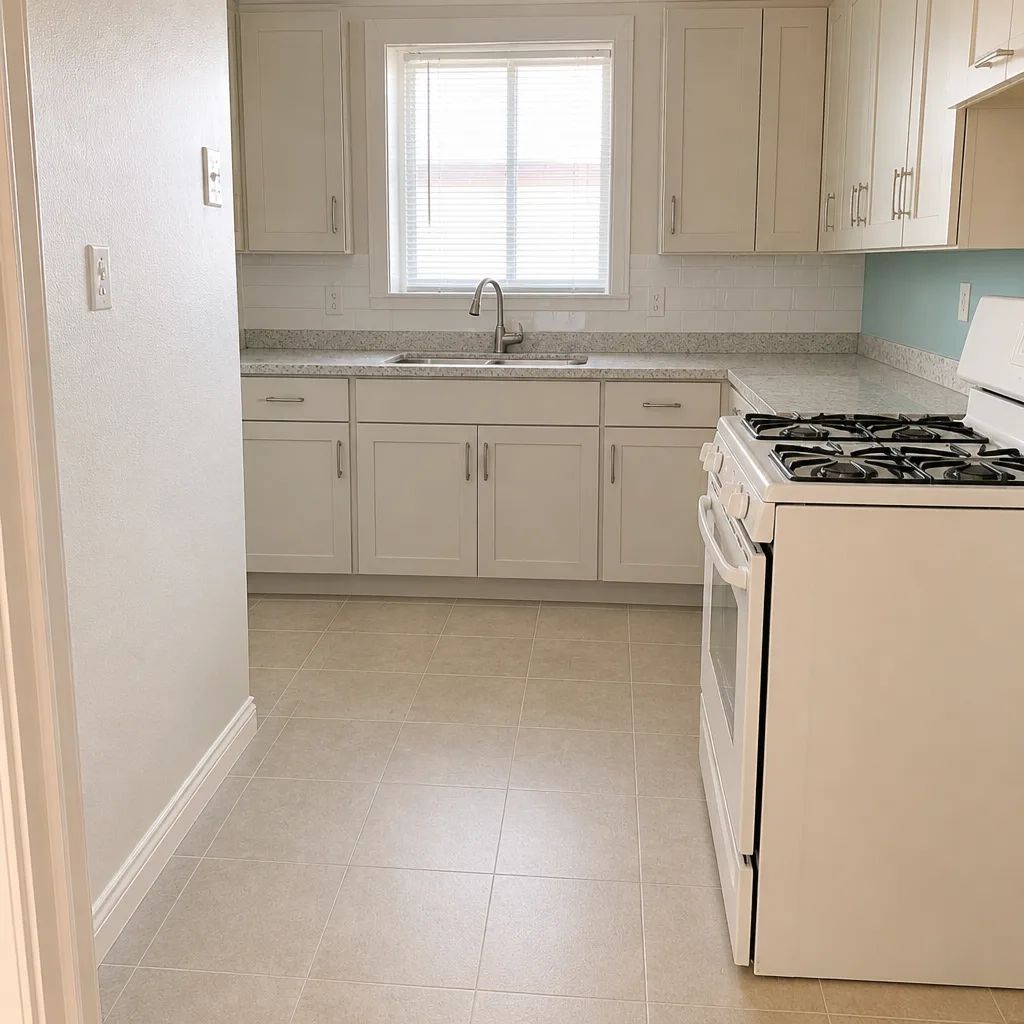 After
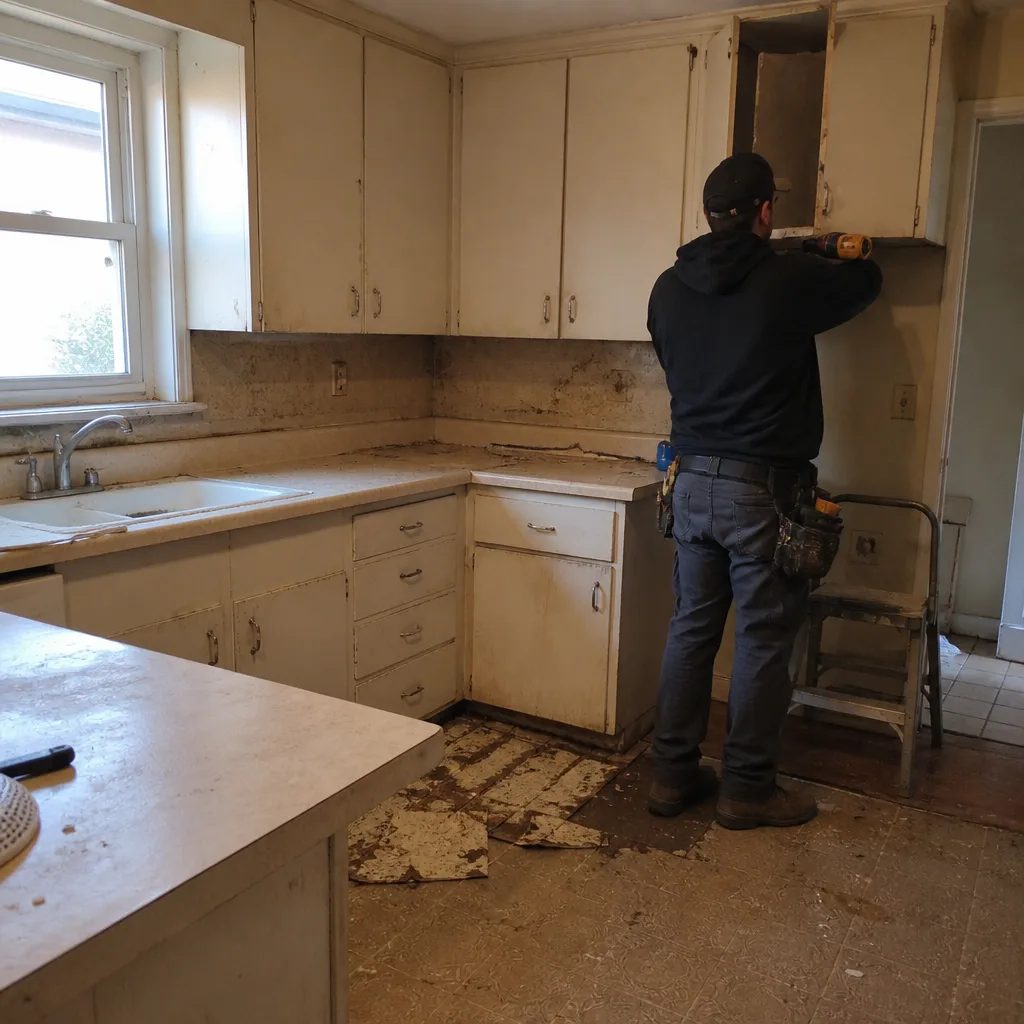 Before
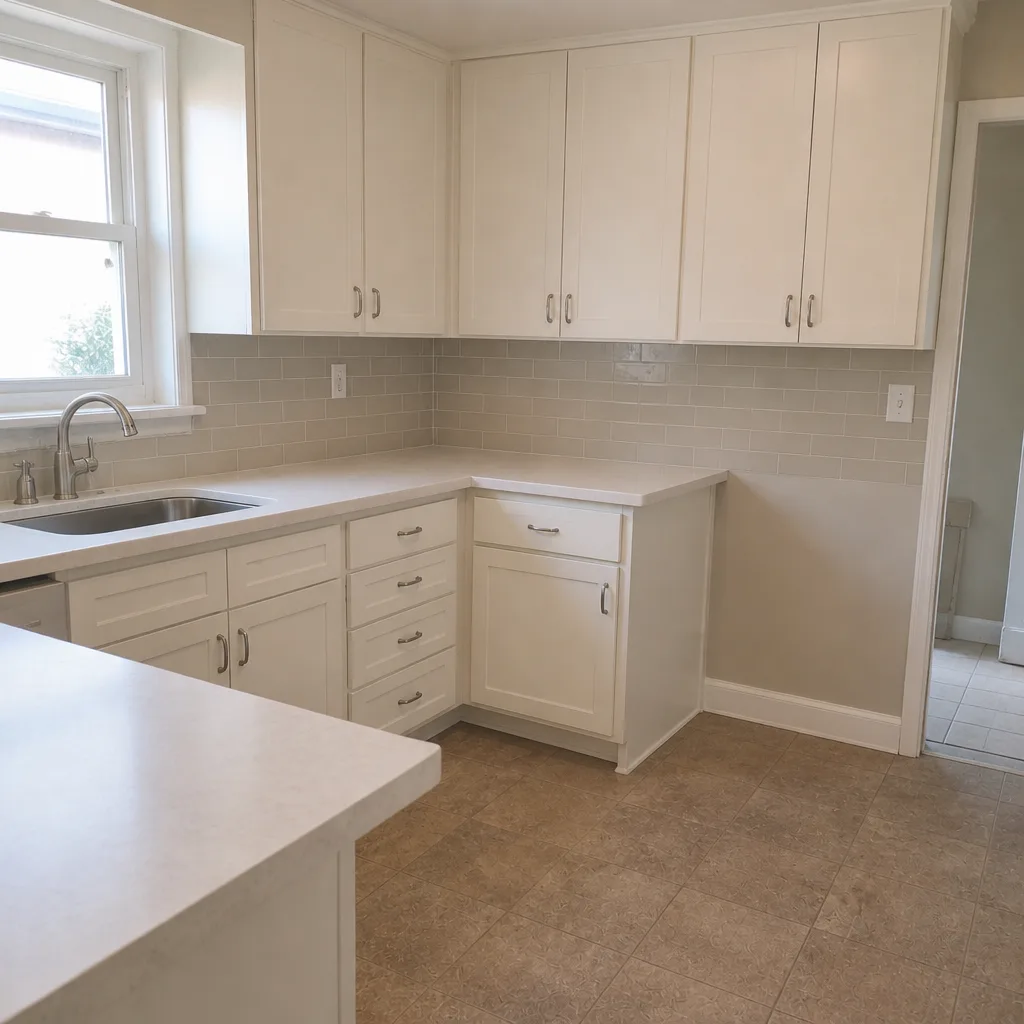 After
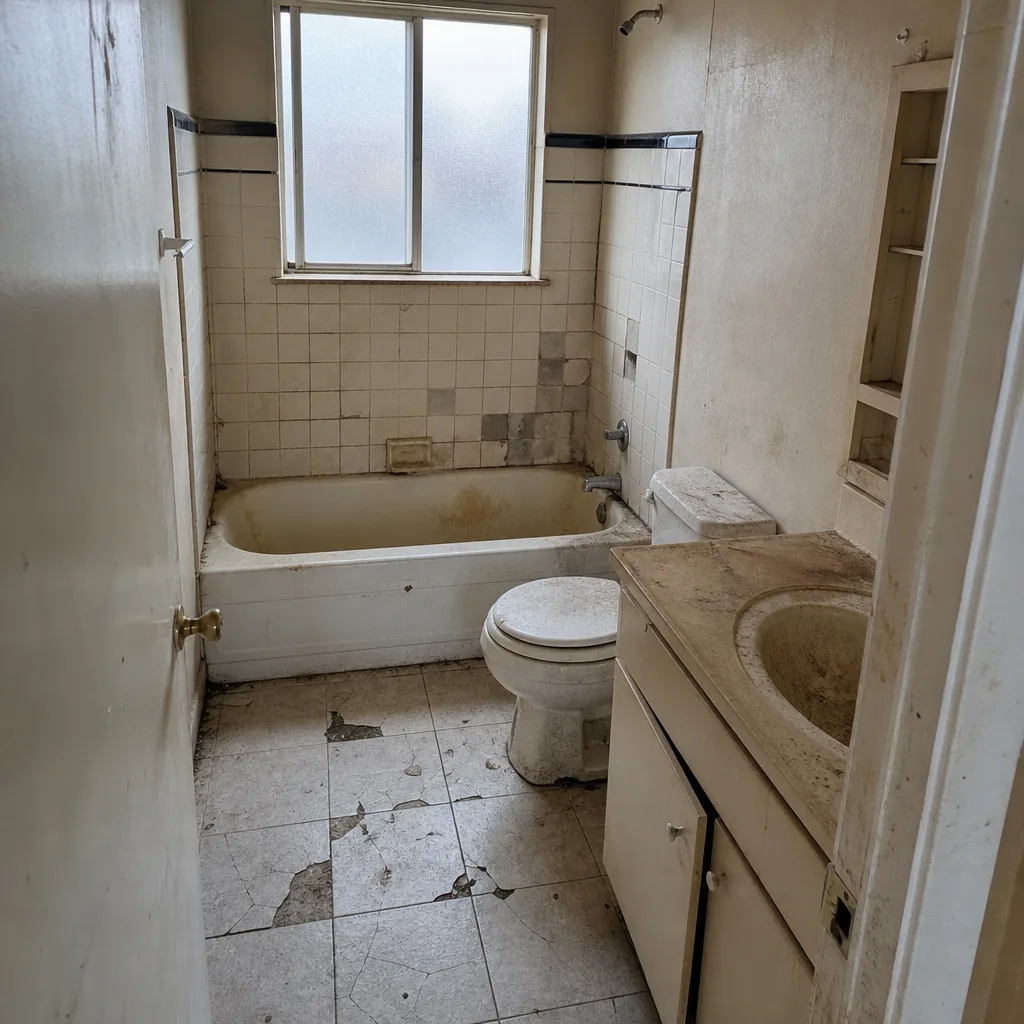 Before
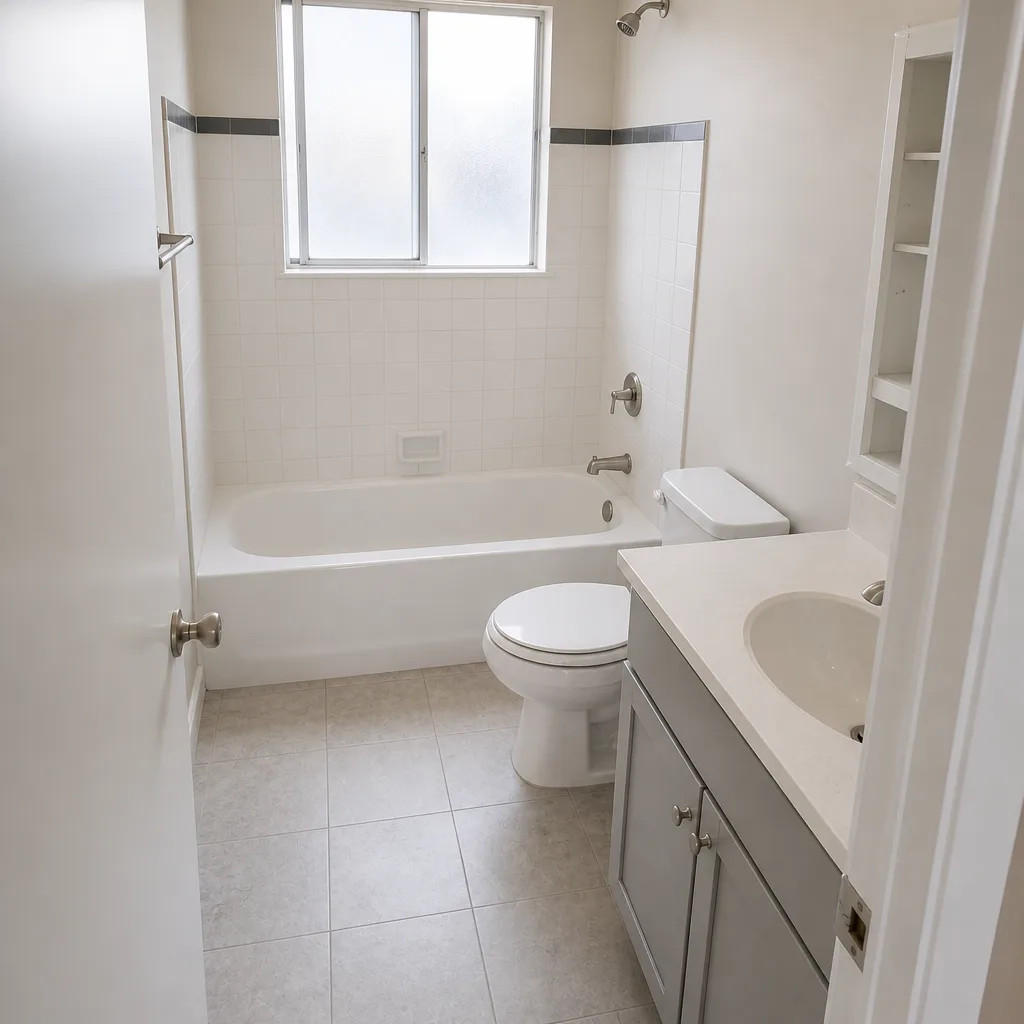 After
Home Addition vs ADU in Fairfield, CA: Choose an ADU unless you need the space for your own household
Pick an ADU if you want a rentable unit, a higher appraisal, and financing that uses projected rental income to qualify. Pick a home addition if the new square footage is for your own family and you’d rather avoid a second kitchen, a second address, and the extra habitation review. In Fairfield, those two paths go to different permitting desks, carry different price floors, and end at different resale numbers. Bradford Remodeling Co Fairfield prices both as full written scopes – $45,000-$130,000 for a home addition, $90,000-$220,000 for an ADU – so you can compare real numbers before you choose. Call (833) 998-3242 for a free estimate.
What legally separates the two: one parcel, one address, two very different approvals
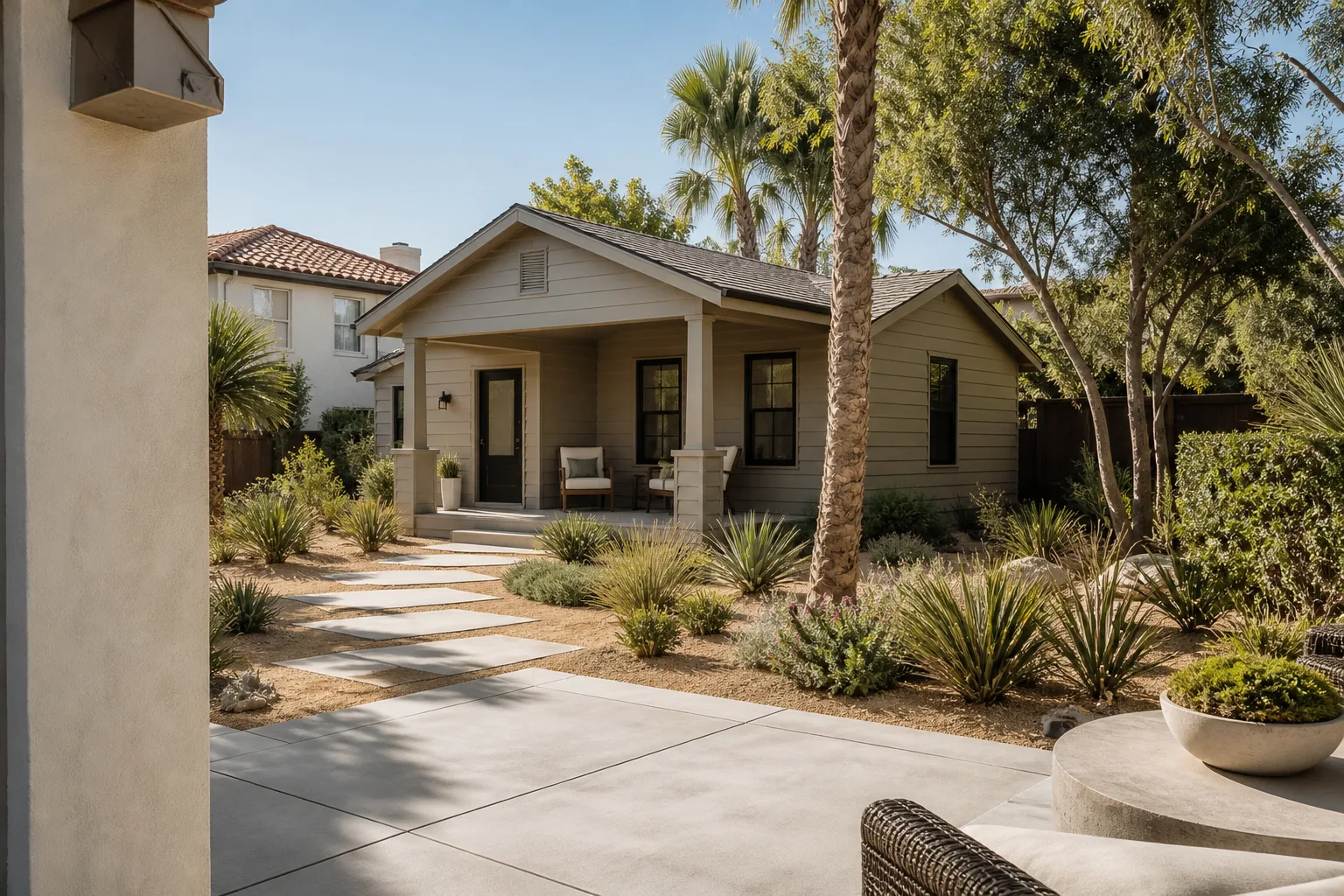
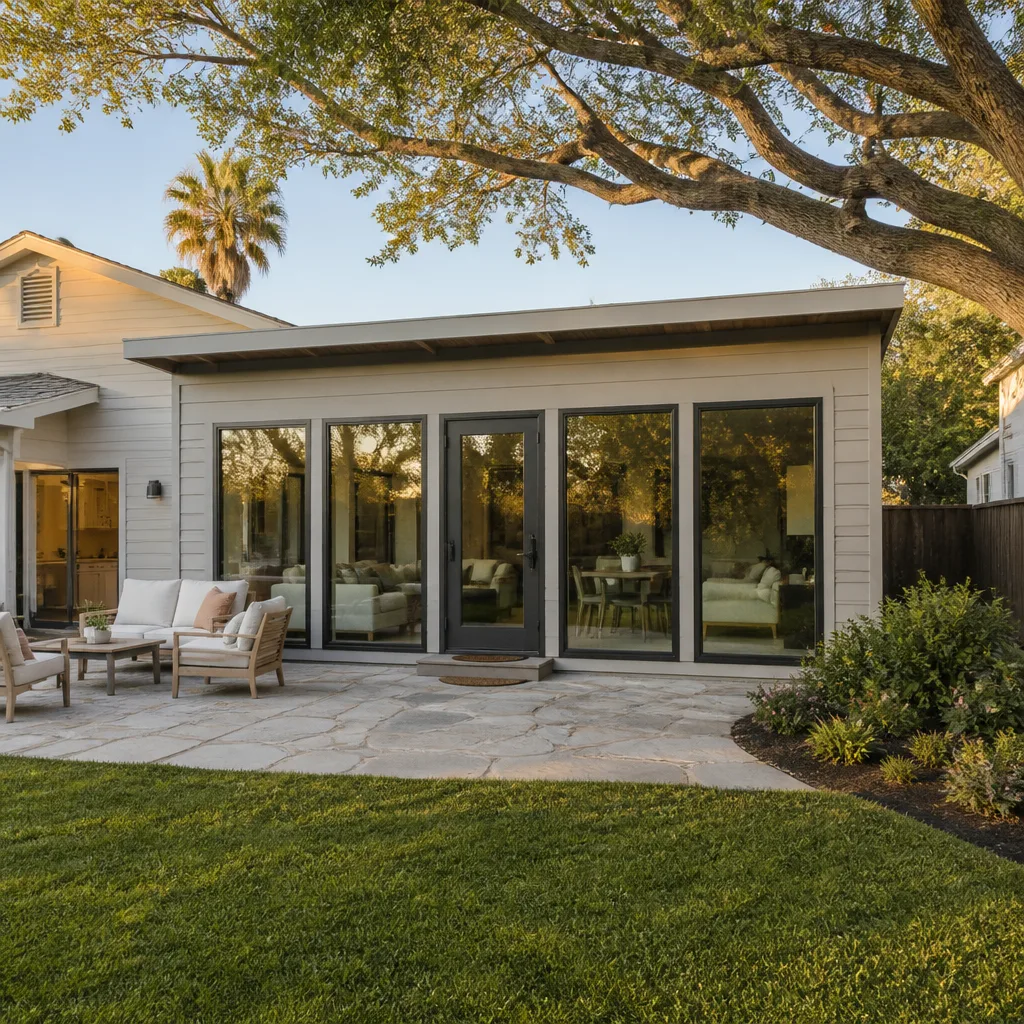
A home addition expands the existing dwelling. Same APN, same address, same unit count on the parcel. You’re adding bedrooms, a primary suite, a great room, or a second story to the house you already live in. The building department reviews it as an alteration and addition to a single-family dwelling.
An ADU is a separate dwelling unit. It has to meet full habitation standards – its own kitchen, its own bathroom, sleeping and egress requirements – and when it’s permitted, the official unit count on your parcel goes up. That single change is what unlocks the rental income and, as we’ll get to, the appraisal math. In Fairfield, that means a different review path, and often a different set of plan-check comments than an addition of the same square footage would draw.
The distinction isn’t paperwork trivia. It determines what you can legally do with the space, how a lender will underwrite it, and what an appraiser can count.
The Fairfield financing split that changes the math
Financing is where the two options diverge hardest for homeowners sitting on equity built up through the 2010s.
- ADU: Can be financed through Fannie Mae’s HomeStyle Renovation loan or a construction-to-perm loan, and projected rental income can be used to help you qualify. For a Cordelia or Green Valley homeowner with a tract home bought years ago and a lot of equity, that rental offset can be the difference between a comfortable approval and a stretch.
- Home addition: Typically financed with a home equity line or a conventional renovation loan. No rental income to count, because there’s nothing rentable at the end.
Same lender, same homeowner, two different underwriting conversations. If your goal is cash flow, the ADU financing path is usually the one that clears. If your goal is space for a growing household, the HELOC path keeps the project simpler and avoids the ADU review entirely.
How each one appraises at resale
A permitted ADU adds an income-producing unit, and an appraiser can value that unit on a cap-rate basis on top of the cost approach. In Fairfield’s rental market – with demand steady near the Travis AFB corridor – that income premium is real, not theoretical. Two appraisals of similar-size structures can land in very different places once a legal second unit is in the picture.
A home addition adds conditioned square footage, valued by cost and by comparable sales. It lifts your home’s position within its own comp set – a four-bedroom against other four-bedrooms – but it doesn’t add a rentable unit and doesn’t get the cap-rate treatment. It makes your house bigger and more valuable to a buyer who wants the space. It doesn’t make you a landlord.
The fire-hardening variable most homeowners miss
Here’s the planning decision that competitors skip. On parcels near the Rockville hillside edge, a detached ADU is a new structure, and new structures in the Wildland-Urban Interface have to meet WUI exterior material requirements – ignition-resistant siding, ember-resistant vents, specific roofing assemblies. A home addition on the same parcel may not trigger WUI review at all if it doesn’t add a new footprint. Same lot, different exterior standard, driven entirely by which path you take.
This is a planning question before it’s a design one. On the west- and wind-facing walls of the newer Cordelia subdivisions, the Suisun Valley wind corridor already punishes under-detailed stucco and siding attachment. When you add the WUI overlay on a hillside-edge parcel, exterior specs matter more than they would in a sheltered Bay Area city. That’s why we spec James Hardie fiber-cement siding and Therma-Tru doors on this work – documented products with manufacturer specs behind them, so the assembly you’re paying for is the assembly that was tested.
Side-by-side: which option fits your situation
| Factor | Home Addition | ADU |
|---|---|---|
| Fairfield price range | $45,000-$130,000 | $90,000-$220,000 |
| Legal structure | Same dwelling unit, same address | Separate unit, unit count increases |
| Rental income | Not without a kitchen and its own entrance | Yes, as a legal unit |
| Typical financing | HELOC or conventional renovation loan | HomeStyle Renovation or construction-to-perm, rental income can help you qualify |
| Appraisal method | Cost and comparable sales | Income (cap-rate) plus cost approach |
| WUI exterior review | Usually not triggered if no new footprint | Triggered on hillside-edge parcels |
| Best for | Household space: primary suite, great room, second story | Cash flow and resale, especially near the Travis AFB rental corridor |
If you’re building for your own family and don’t want tenants, the addition is the cleaner path. If you want the space to pay for itself, or you’re buying for resale value in Fairfield’s rental market, the ADU is usually the stronger play – provided the parcel and the fire-hardening overlay allow it.
A quick word on garage conversions
One more option belongs in this conversation: a garage conversion runs $30,000-$80,000 in Fairfield and can produce a legal ADU from footprint you already own. It sidesteps some of the new-structure WUI question and the framing is already there, but it costs you covered parking and depends on whether your garage attaches cleanly to the main habitation. It’s often the answer for a mid-century ranch near the older downtown that can’t carry a detached second structure.
What “squared away” looks like at the end of either project
Whichever path you take, the finish line should look the same: a clean site, a documented scope, a passing final inspection, and a signed written guarantee in your hand. Every Bradford project carries the 365-Day Done Right Promise – if the work fails within a full year of completion, we come back and correct it at no charge. Background-checked, uniformed technicians on every job, and a live person answering the phone 24/7, not a voicemail queue. You’ll see Kohler and Moen fixtures specified by name in the scope, GAF roofing and James Hardie siding listed by product, not by vague promise, so the numbers you compare are traceable line for line.
Our technicians have up to 22 years of experience on this kind of work. And we price both an addition and an ADU as complete written scopes, so you can hold the two side by side and decide with real figures. Compare that to the estimate that moves at the door – our written price doesn’t. You can read more about the neighborhoods we cover on our Fairfield service area page, or start from our home page to see the full range of general contracting work.
FAQs
Not as a separate dwelling. A home addition is part of your existing single-family home and shares its address and meter; renting it legally as its own unit requires a kitchen, a separate entrance, and the approvals that make it an ADU. If rental income is your goal, plan the project as an ADU from the start and price it in the $90,000-$220,000 range. Call (833) 998-3242 for a free estimate on either path.
A home addition is cheaper up front – $45,000-$130,000 versus $90,000-$220,000 for an ADU – but it doesn’t generate income or earn the cap-rate appraisal premium. Run the numbers against what a Fairfield rental near the Travis AFB corridor would return before you decide on cost alone. We’ll price both as written scopes so you’re comparing real figures; estimates are free when you call (833) 998-3242.
Yes, typically. A permitted ADU adds a separate unit and is reassessed on its own contribution to the parcel’s value, so expect an increase tied to the new construction. That’s one more reason to compare the appraisal and income upside against the tax bump before you commit. For a written price on the build itself, call (833) 998-3242 – the estimate costs you nothing.
Yes. The unincorporated pockets and the Travis AFB buffer zones run under different building departments than the City of Fairfield, so the same job can need plans stamped for a different jurisdiction depending on which side of the line your parcel sits. WUI exterior requirements also vary by location near the Rockville hillside edge. We’ll confirm which desk reviews your plans before any work starts – call (833) 998-3242 for a no-pressure assessment.
If you’d rather have it looked at, Bradford Remodeling Co Fairfield offers a no-pressure assessment in Fairfield – call (833) 998-3242. We’ll give you a written price for both options so you’re choosing on real numbers, not a guess.
Written by the team at Bradford Remodeling Co Fairfield, serving Fairfield, CA.