Last updated November 17, 2026








Free written scope consultation - allowances, timeline, and change-order rules on paper before a single trade is scheduled
Construction Warning Signs: A Fairfield Homeowner’s Reference Guide
The most expensive contractor problem in remodeling isn’t the no-show before the job starts. It’s the one who shows up, frames the walls wrong, and disappears after you’ve paid 60% of the contract. We’ve walked into half-finished Fairfield kitchens where the cabinets were ordered to the wrong dimensions, the rough-in plumbing was set 14 inches off-center, and the homeowner had already handed over three progress payments. The warning signs were there at demolition. Nobody read them. This guide is built for the homeowner already in a job that’s going sideways, organized by the stages of a remodel where scope most often drifts: demolition, rough framing, rough-in trades, and finish work.
Quick Answer
On a Fairfield remodel, the most reliable early warning signs are a job site left uncleaned for more than a week, materials stored flat on bare dirt or stacked against a fresh stucco wall, verbal scope changes that skip the written change order, and progress billing that outpaces visible completion. Any one of these is worth a documented conversation. Two or more together, and you should start keeping a written record immediately.
Styles & brands we work with
- Kitchen remodeling
- Bathroom remodeling
- Home additions & ADU
- Roofing
- Windows & doors
- Driveway & pavers
- Fence
Table of Contents
- The Warning Signs That Appear Before the First Nail Is Pulled
- Stage 1: What Demolition Tells You About the Rest of the Job
- Stage 2: Rough Framing Indicators in Fairfield’s Soil and Seismic Zones
- Stage 3: Reading the Rough-In Trades
- Stage 4: Finish Work as a Verdict on Everything Before It
- How to Read Change Order Language for Manufactured Scope Creep
- What California Law Lets You Do When a Job Stalls
- Building a Written Record That Holds Up in a CSLB Complaint
The Warning Signs That Appear Before the First Nail Is Pulled
The pre-construction phase is where a disciplined contractor separates from a loose one. At Bradford Remodeling Co Fairfield, we ask homeowners to judge us on paperwork before we ever ask them to judge us on carpentry. Here’s what that paperwork should look like, and what its absence signals.
A written, line-item price before any work starts is not a courtesy. It’s the foundation. If you’re comparing bids and one contractor hands you a lump-sum number with no breakdown of labor, materials, allowances, and contingency, you have no way to spot a low allowance that will blossom into a change order once tile is selected. We build our bids so every line is traceable to a specification.
Three specific pre-job indicators are worth checking before you sign:
- No written price before the start date. A contractor who says “we’ll true it up at the end” is telling you the number will move. It always moves upward.
- Vague material specifications. “Mid-grade tile” means nothing. A real spec names the manufacturer and line. On exterior work, a Fairfield job along the Highway 12 corridor should be specifying stucco mix and a real weather barrier, not a generic note.
- No written guarantee term. Ask exactly what happens if a cabinet door fails in month nine. If the answer isn’t on paper, it’s a promise that evaporates. Bradford’s 365-Day Done Right Promise covers every completed project for a full year: if the work fails inside that window, we return and correct it at no charge.
If the paperwork is thin here, read the rest of this guide with your guard up. The job site will confirm what the contract implies.
Stage 1: What Demolition Tells You About the Rest of the Job
Demolition is the least skilled and most revealing phase of a remodel. A crew that tears out a kitchen with care and precision will build with care and precision. A crew that rips through studs, leaves debris scattered, and doesn’t protect your floors is broadcasting its workmanship philosophy.
In our experience across Fairfield, the most telling demo-stage signals are:
- Dust control. A proper demo uses plastic sheathing and zip-wall barriers. If the rest of your house is dusted with drywall grit by day two, the crew skipped a step it will also skip later on substrate prep.
- Debris hauling cadence. Debris should leave the site regularly, not accumulate in your side yard for two weeks. Piles attract moisture and, in Fairfield’s summer heat, they attract pests and create a fire-load hazard near a wooden fence line.
- Flashing and moisture discovery. A good crew inspects the subfloor and wall cavity during demo and documents what it finds. If a contractor finds rot and says nothing, then surprise-bills you for it later, that’s a red flag. If they find rot and show you photos before scheduling the repair, that’s disciplined.
One Fairfield-specific trap: older homes near downtown and the Texas Street corridor often have galvanized plumbing that’s near its service limit. Demolition exposes it. A crew that sees galvanized pipe behind a wall and doesn’t flag it before you commit to a tile layout is setting you up for a tear-out you should have known about on day one. For homeowners planning a larger renovation, this is the moment to bring a general contractor in Fairfield into the pre-demo walkthrough.
Stage 2: Rough Framing Indicators in Fairfield’s Soil and Seismic Zones
Rough framing is where mistakes get expensive because they get buried behind drywall. Fairfield sits in a seismic zone with expansive clay soils in many neighborhoods, and both factors make framing standards less forgiving than in flatter parts of the country.
What you should be able to see and verify during framing:
- Stud spacing and blocking. 16-inch on-center is standard for a reason. If you’re rehanging cabinetry on a wall, blocking must be installed before drywall closes the wall. Ask where it went.
- Header sizing. A removed wall needs a properly sized header. Fairfield permits require engineered headers on many load-bearing removals. If your contractor can’t produce the inspection sign-off, that’s a problem.
- Anchor and tie-down hardware. Simpsons and similar hardware should be visible and spec’d. If you don’t see the anchor bolts and hold-downs, ask. A framing crew that skips seismic hardware on a Fairfield home is a crew that won’t show inspections.
- Squareness. Ask the crew to sight a run of cabinets or a floor with a laser during framing. Out-of-square walls create expensive cabinet and tile problems later.
One thing we watch closely is how the framing crew handles the transition from the existing structure to new work. In a whole-home job, that seam is where a tired contractor cuts corners. If you’re remodeling a kitchen and seeing rough framing questions arise, our kitchen remodeling in Fairfield page explains how the trades sequence through a Fairfield permit timeline.
Stage 3: Reading the Rough-In Trades
Rough-in: the trades that run plumbing, electrical, and HVAC through the open walls. It’s the most inspection-heavy stage and the easiest to shortcut because so much of it disappears behind drywall. Rough-in mistakes are the ones that show up six months later as a leaky shower valve or a circuit that trips when you run the microwave and dishwasher together.
Warning signals to catch while the walls are open:
- No inspection stickers or sign-offs on the permit card. Rough rough-in should be signed off by the city before the walls close. If the drywall is up and the card is unsigned, ask why.
- Lines run without specified routing. A plumber who runs PEX across a joist bay without proper clipping or support is cutting a corner. The code has an answer; ask them for it.
- Electrical box placement without a plan. Outlets and switch legs should map to a drawn plan, not be eyeballed. If the crew is asking you to “point where you want them” on rough-in day, they’re improvising, and your finish plan is going to fight the physical reality later.
- HVAC and water lines routed where high-end cabinetry is going. We’ve seen a bathroom rough-in conflict with a planned Kohler or Moen supply line because no one coordinated the elevations. Catch this on rough-in day, not tile day.
This is the stage to ask for the plan and the coordinator’s name. A remodeler who won’t give you a direct coordination contact on rough-in day is a remodeler who intends to manage you by voicemail. Find more on bathroom sequencing at bathroom remodeling in Fairfield.
Stage 4: Finish Work as a Verdict on Everything Before It
Finish work is where a homeowner gets the final, honest answer about the job. Cabinet reveals, tile alignment, trim miters, and door clearances don’t lie. A crew that couldn’t square a wall in framing can’t make a KraftMaid or Wellborn cabinet run flush without cutting corners on the shim or the reveal line.
Specific finish-stage indicators worth checking on the day of walkthrough:
- Gaps at cabinet-to-wall junctions. A clean installation uses scribe molding or careful filler pieces. A sloppy one caulks a quarter-inch gap and calls it a filler.
- Tile lippage and grout consistency. Run your hand across the tile face. A well-set floor is flat. If you feel ridges, ask about substrate prep.
- Door and drawer action. Door hinges should hold a position and close with a light push. Drawers should not bind.
- Paint and trim. Trim miters should close tight. If the contractor is paying a painter to caulk miters, the carpenter was rushed.
One final indicator is the site handoff. A disciplined close includes a clean site, a documented scope, and a signed written guarantee in the homeowner’s hand. If you’re not handed the guarantee at walkthrough, ask for it. At Bradford, it’s the 365-Day Done Right Promise – our written guarantee on every project and the free return visit that comes with it.
How to Read Change Order Language for Manufactured Scope Creep
Change orders are legitimate. Field discoveries happen in every remodel, especially in older Fairfield homes where what’s behind the drywall is a mystery until demo day. The distinction between a legitimate change order and manufactured scope creep comes down to language and timing.
Here’s how to read the language:
- Legitimate: “Existing subfloor found to be rotted at joist 4; replacement required for tile installation. Written scope and price attached, requires your sign-off to proceed.” That’s a specific field discovery with a documented price. Ask for the photo.
- Manufactured: “Additional work required to meet code.” If the “code requirement” is not specified with a citation, ask for the specific code section. A contractor who can’t cite it is inventing it.
- Manufactured: “Upgrade allowance for materials.” If the change order is for material selection that was already inside the contract, you’re being asked to pay twice. Check your original spec sheet against the change order line.
- Manufactured: Verbal change request during walkthrough. “While we’re in there, we recommend redoing the drywall.” If there’s no written scope and no price, there’s no change order. State in writing that you’re not authorizing work beyond the contract.
One pattern we see repeatedly: change orders appear right before a progress payment is due. That’s a cash-flow problem masquerading as a field problem. Ask for a written justification with a photo and a code citation, and withhold sign-off until it’s in hand. Any legitimate contractor on a Fairfield job will give you the photo and the spec. Bradford’s guarantee is that every price is written before work starts, and that applies to change orders the same way it applies to the base contract: no numbers that move at the door.
What California Law Lets You Do When a Job Stalls
If a Fairfield contractor stops responding, California gives you real tools, and a few things you should not do. Here’s a plain-language version of what the Business and Professions Code provides and what a homeowner should do before considering termination.
What you have a right to do:
- Request written status. You have the right to a written, dated statement of what’s been completed and what’s outstanding. Send it by certified mail or email with a read receipt. This creates a record.
- File a CSLB complaint. The Contractors State License Board accepts complaints on licensed contractors. A documented chronology with photographic evidence and copies of contracts, change orders, and payment records is what makes a complaint work. Filing is not a lawsuit and doesn’t foreclose other remedies.
- File in small claims court. California small claims limits have risen substantially; many stalled-job disputes fall within the limit. A contemporaneous written record is what a judge reads.
- Send a written notice of intent to terminate for cause if the contract supports it. Read your contract for the termination clause. Don’t terminate verbally. Send a written notice and give the contractor a defined cure period if the contract calls for one.
What you should not do:
- Don’t withhold a payment that’s genuinely due for completed work. That converts you from the wronged party into the breaching party.
- Don’t lock a contractor out of the site without written notice. That opens you to a wrongful-termination claim even when the contractor was in the wrong.
- Don’t pay an advance on work that isn’t scheduled. A change order that requires an advance deposit before any scheduling is a red flag.
A certified, state-licensed contractor with a real guarantee term is your best protection. If you’re early in the hiring process and want a second opinion on a contract, the Bradford Remodeling Co Fairfield home page is a reasonable starting point for how we document our work.
Building a Written Record That Holds Up in a CSLB Complaint
The single most damaging thing to a homeowner’s position in a CSLB complaint or a small claims filing is a thin paper trail. A judge and a CSLB investigator both respond to dated, contemporaneous documentation. Here’s a system that takes about 30 minutes per week and gives you a usable record.
- Start a single timeline document today. A running text file or spreadsheet with a dated line for every conversation, visit, payment, and change. Date every entry. Note who was present.
- Photograph daily, with timestamps. Your phone’s camera timestamps by default. Photograph the site each day at the same angle. A dated photo series showing a job stalled for three weeks is compelling in a way no verbal account is.
- Confirm verbal agreements in writing the same day. A short email – “Confirming our conversation today: you’ll re-set the tile substrate by Friday, no additional charge” – creates a record you can hold the contractor to.
- Keep every payment record. Method, amount, date, and what the payment was applied to. A cancelled check with a memo line stating “progress payment 2, cabinets” is far stronger than a Venmo transfer with no note.
- Save your original contract and every change order. Keep them together. The most common audit problem is a homeowner who can’t produce the change order that authorized the extra work.
- Keep copies of inspection cards and permit paperwork. Inspection records are public records. A sign-off, or the absence of one, is evidence.
One detail that matters: use your written record to prompt a correction before escalation. Most contractors behave better when they know a documented record exists. Our general contractor page explains the documentation standard we hold ourselves to on every Fairfield job, including a written price before work starts and a signed written guarantee at close.
Common Mistakes to Avoid
- Paying the last progress payment before the punch list is closed. Hold the final payment until the walkthrough is documented and signed. On a Fairfield job, that’s often the only leverage you have.
- Accepting verbal change orders for “code upgrades.” Ask for the specific code citation and a photo every time. If it’s legitimate, it’ll have both.
- Not checking the CSLB license number against the contractor’s current standing. License status can change mid-job. Check once before you sign and once at the mid-point.
- Letting stucco get installed without verifying the weather barrier. In Fairfield’s hot, dry summers, a missing weather barrier at stucco prep is hard to spot later. Verify during framing.
- Storing millwork or cabinetry against a fresh stucco wall. Moisture in the stucco transfers into wood. Our crews keep a 6-inch standoff and use plastic sheeting – if you don’t see that, ask.
- Firing a contractor via text without written notice. That is the fastest way to lose your legal position even when the contractor was in the wrong.
- Skipping the written guarantee at walkthrough. A guarantee is only as good as the paper it’s on. If it’s not handed to you in writing at close, it’s not a guarantee.
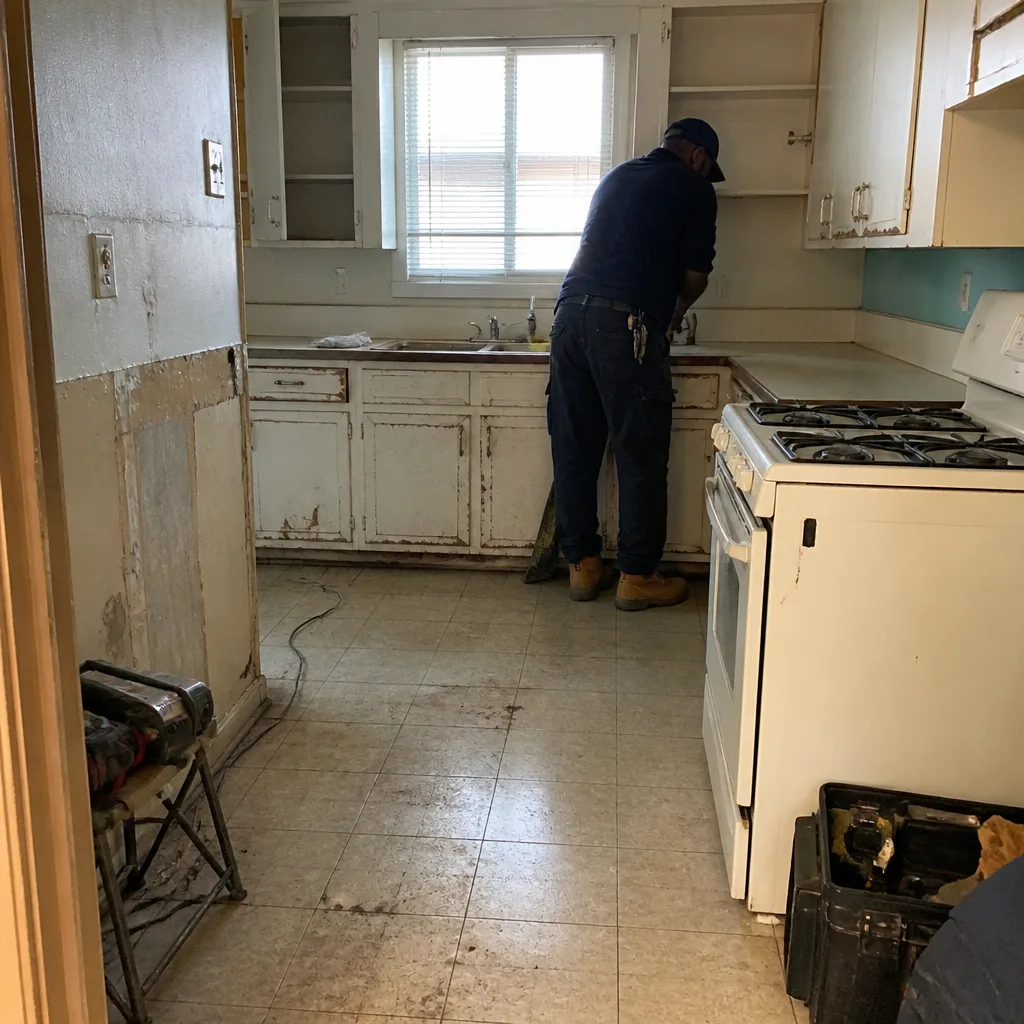
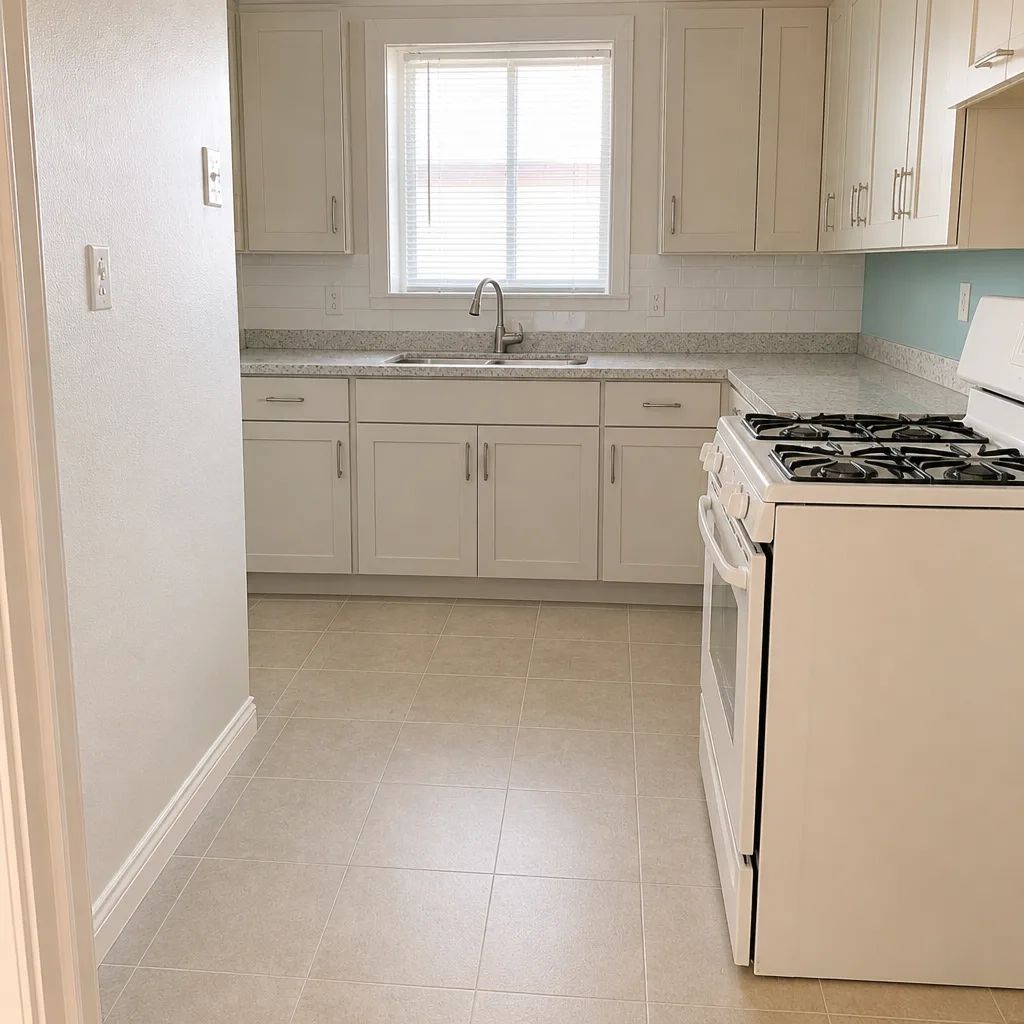
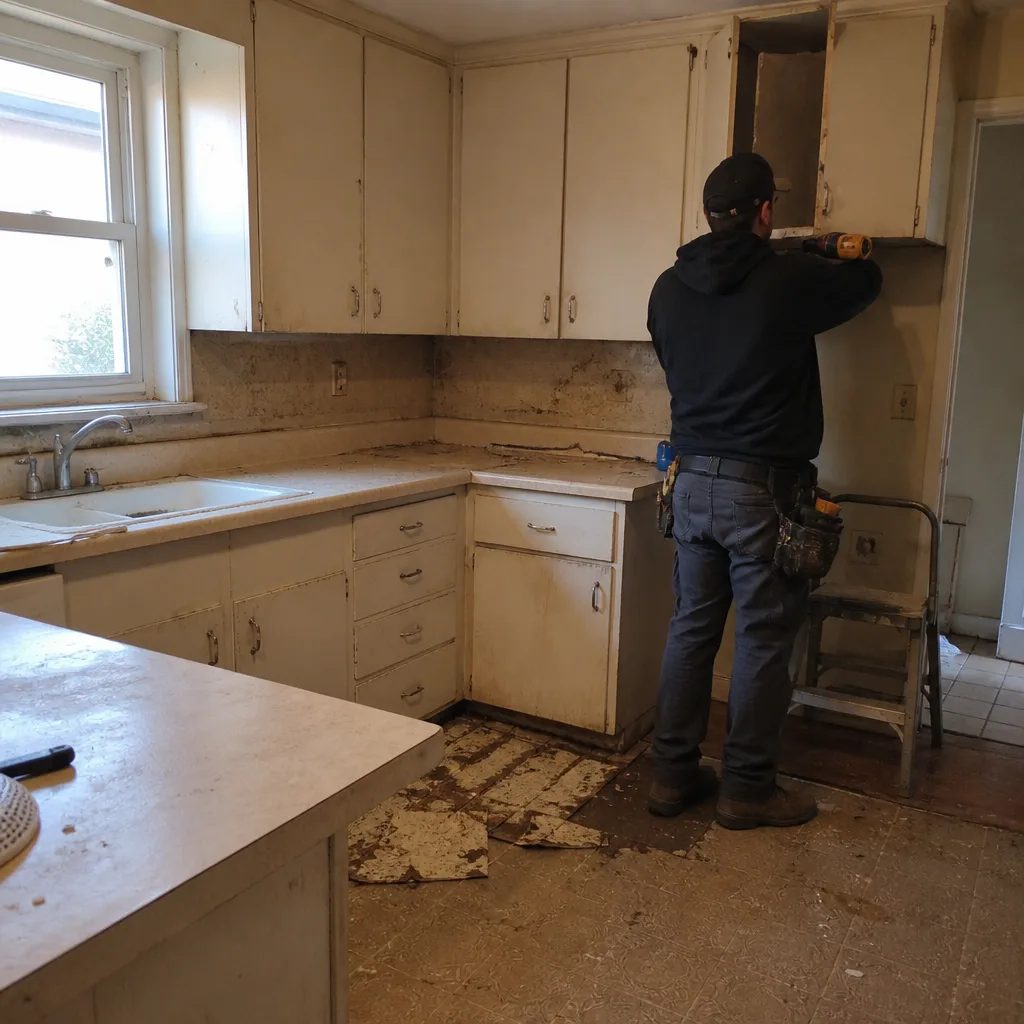
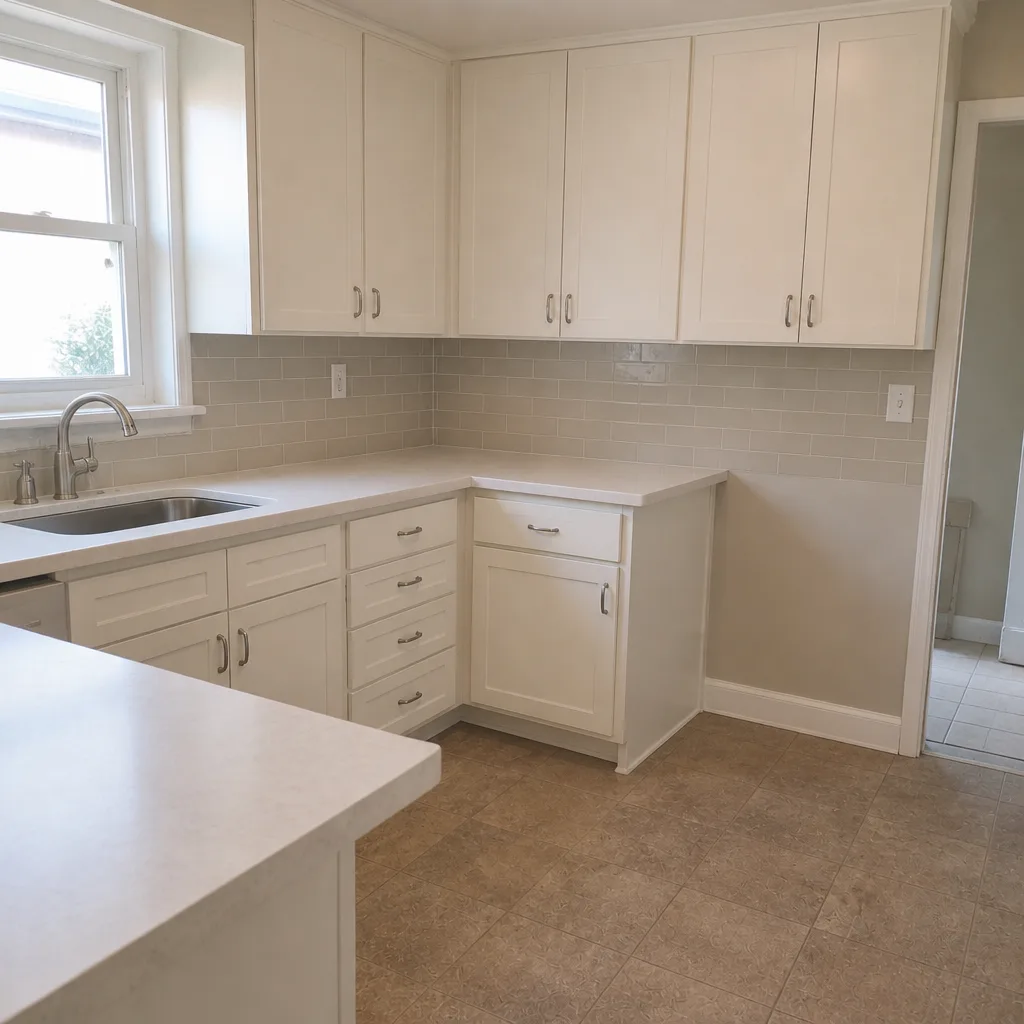
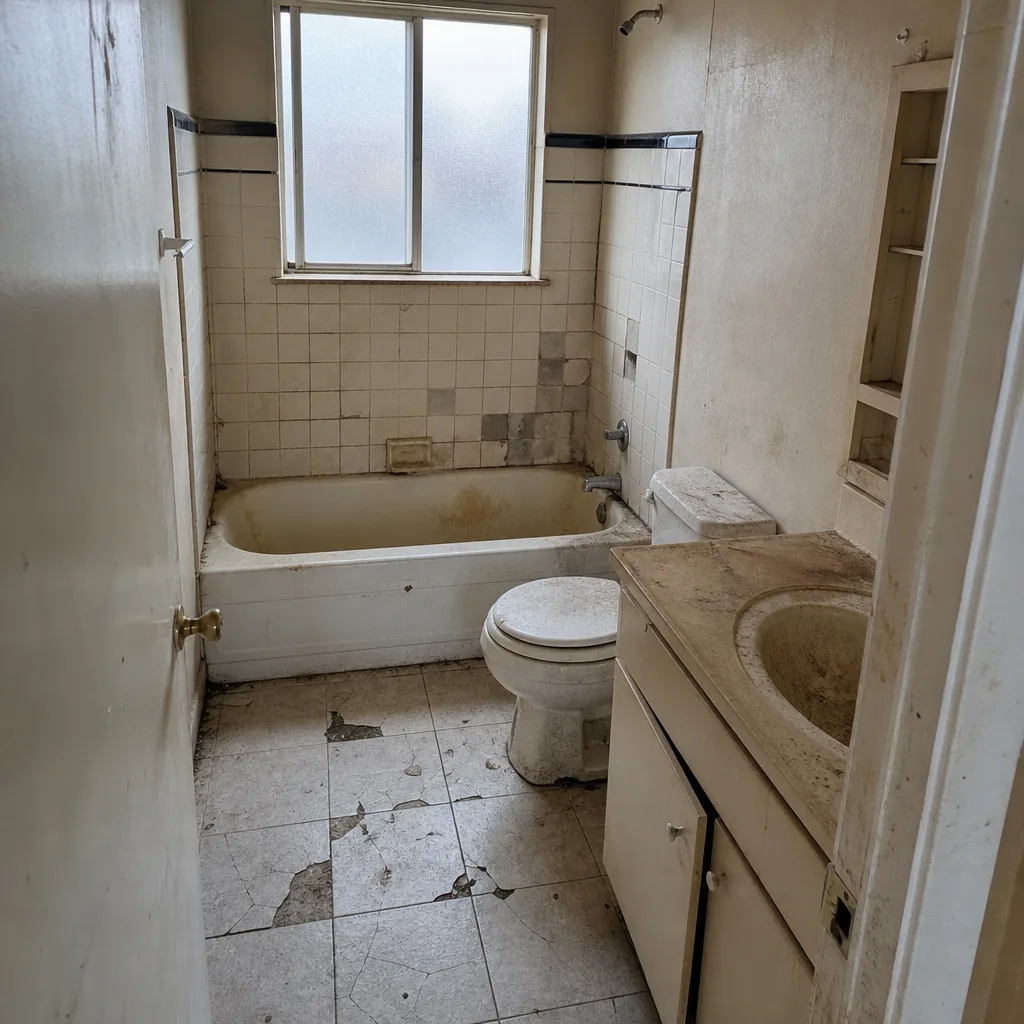
See the difference
 Before
 After
 Before
 After
 Before
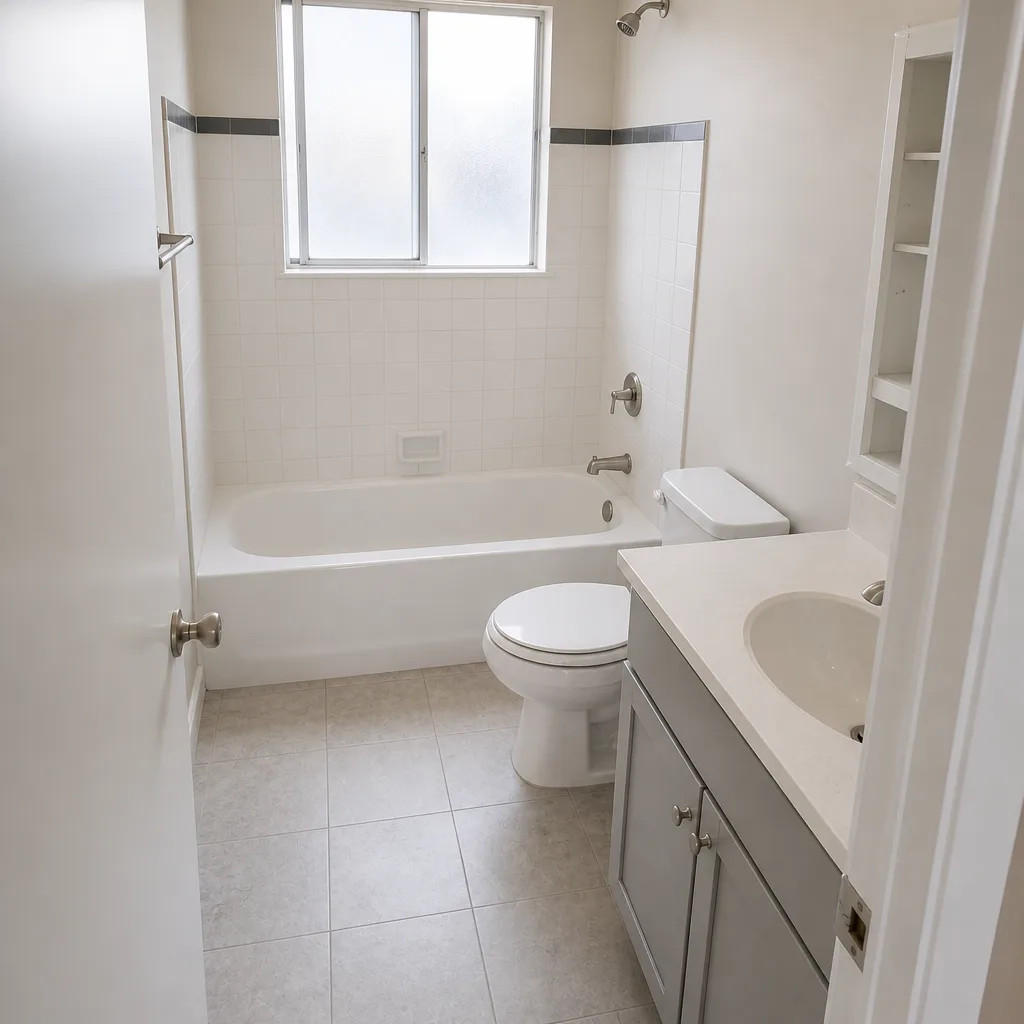 After
When to Call a Professional
If your contractor has stopped responding for more than five business days, if you’ve received two change orders in a week, if the job site hasn’t been cleaned in more than a week, or if you’ve spotted rough-in work that hasn’t passed inspection, it’s time to bring in a second set of eyes. A licensed general contractor can review your scope, walk the site with you, and tell you in plain terms what’s recoverable and what isn’t. Bradford Remodeling Co Fairfield offers free estimates in Fairfield – call (833) 998-3242. A live person answers the phone, day or night, and we can walk through a documented written scope with you before you make a decision.
Frequently Asked Questions

The first reliable sign is a job site that stops getting cleaned. A crew that abandons site discipline is signaling it will abandon other standards too – substrate prep, inspection scheduling, and material protection. If the site is dirty for more than a week, start documenting. Call (833) 998-3242 for a free estimate if you want a second opinion on the scope.
A holdback of 10% to 15% pending a signed walkthrough and a written guarantee handoff is standard practice in California. The exact figure depends on your contract, but the principle is the same: the last payment is your leverage for punch-list correction. Bradford’s 365-Day Done Right Promise covers every completed project for a full year, and we don’t consider a job closed until the written guarantee is in the homeowner’s hands.
Yes, but only with written notice and a defined cure period. Sending a text that says “we’re done” is not a legal termination and can expose you to a wrongful-termination claim. Send written notice, reference the contract’s termination clause, and document the deficiencies with dated photos. Call (833) 998-3242 if you want a contractor’s read on your situation before you send anything.
A legitimate change order names a specific field discovery, includes a photo and a written price, and requires your written sign-off. A manufactured one cites vague “code requirements” without a specific code section. Ask for the citation every time. If it’s real, a licensed contractor will produce it within an hour. Call (833) 998-3242 to walk through your change order with someone who speaks the trade language.
Yes for structural, electrical, plumbing, and mechanical work, and for most kitchen and bathroom remodels involving water or electrical relocation. Fairfield permits require inspection sign-offs at rough-in and at final. A contractor who suggests skipping the permit is a walking red flag. Bradford pulls permits and schedules inspections as part of every scope we sign.
Exterior stucco work should specify a real weather barrier and a documented stucco mix. James Hardie and GAF are among the products we install on Fairfield exteriors because the manufacturer specs are documented and traceable back to the warranty. For doors, Therma-Tru is a reasonable baseline. If you’re evaluating a bid and the exterior materials aren’t named, ask why. Call (833) 998-3242 for a written line-item scope in Fairfield.
The Bottom Line
Warning signs in a troubled remodel are not one event. They’re a pattern: dirty site, unwritten changes, progress billing ahead of visible work, inspection cards left unsigned. Read them at each stage – demolition, framing, rough-in, finish – because each stage is a chance to correct before the mistakes get buried. Keep dated photos, confirm every verbal agreement in writing, and hold your final payment until a signed written guarantee is in your hand. If the pattern is already clear, get a second opinion from a state-licensed contractor before you escalate. Written price before work starts. Guarantee at close. That’s the standard, and it holds on a Fairfield remodel the same as anywhere else.
Every price we give is written before a tool comes out, and every completed project carries our kitchen remodeling in Fairfield guarantee standard for 365 days. When you’re ready for a free estimate in Fairfield, call (833) 998-3242 and we’ll put it in writing.
Written by the team at Bradford Remodeling Co Fairfield.