Last updated November 17, 2026







Free written scope consultation - allowances, timeline, and change-order rules on paper before a single trade is scheduled
Home Remodeling Warning Signs Every Homeowner Should Know
By the time most homeowners recognize a remodeling problem, the contractor has already been paid out and the work has been drywalled over. The warning signs were visible weeks earlier, to anyone who knew what to look for. That’s the part most guides skip. They tell you how to screen a contractor before you sign. They don’t tell you what a bad job looks like once the crew is in your house and your money is on the table. This guide covers the on-site warning signs that show up during framing and rough-in, the payment red flags that leave homeowners stuck, and the point at which you should stop writing checks and start documenting. We work in Fairfield and across Solano County, and we’ve walked into enough half-finished kitchens to know the patterns.
Quick Answer
The clearest home remodeling warning signs are visible before drywall closes up the walls: missing blocking, no fire blocking at floor penetrations, undersized headers over openings, and a crew with no visible plan for sequence. Payment warning signs matter just as much – any California contractor who asks for more than 10% down on a job over $1,000, or collects a payment without giving you a signed lien release, is outside the law or outside common practice. If you see structural shortcuts or a contractor who won’t release liens, stop payment and get an independent inspection before the job moves forward.
Styles & brands we work with
- Kitchen remodeling
- Bathroom remodeling
- Home additions & ADU
- Roofing
- Windows & doors
- Driveway & pavers
- Fence
Table of Contents
- Warning Signs During Framing and Rough-In
- Blocking, Fire Blocking, and Headers: What They Look Like When They’re Wrong
- Payment Schedule Red Flags (and the California 10% Rule)
- How to Read a Lien Release, and Why You Collect One at Every Milestone
- Normal Construction Mess vs. Signs of an Unorganized Crew
- When to Call for an Independent Inspection
- The CSLB Complaint Process: What It Covers and When to File
- What a Squared-Away Job Looks Like at Close
Warning Signs During Framing and Rough-In
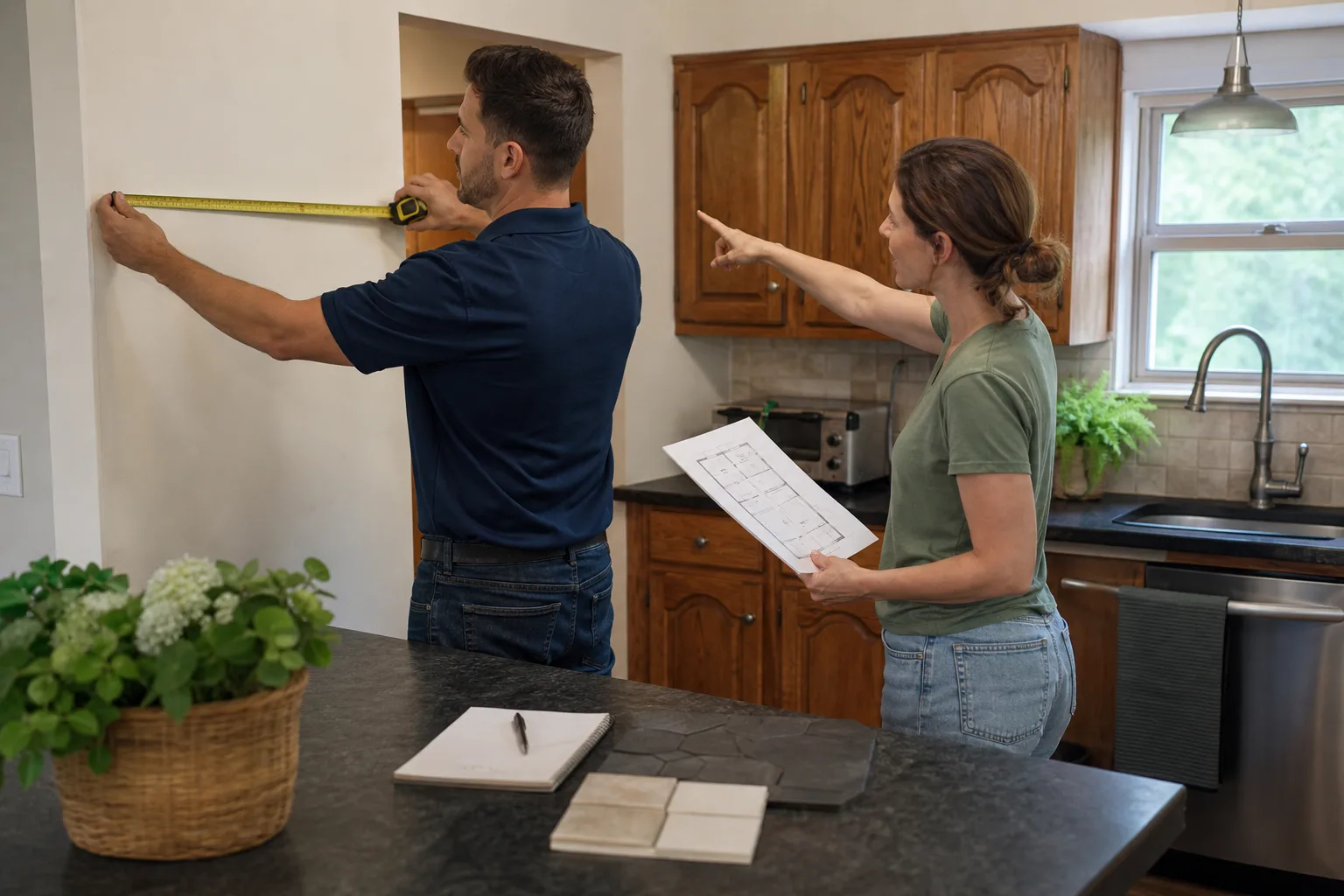
The framing phase is your one clean look at the bones of the house. Once drywall goes up, everything structural goes behind a wall and stays there until something fails. That’s why the most valuable hour of a remodeling project is the one you spend walking the frame with your contractor before the insulation goes in. In Fairfield, where a lot of the housing stock dates to the 1960s through 1980s, we regularly see remodels where the new framing has to tie into old framing that wasn’t built to current code – and that’s exactly where shortcuts show up.
What does bad framing look like? Here’s what to watch for during the walk:
- Studs out of plumb or crowned the wrong way. A bowed stud pushes drywall out of plane and shows up as a visible wave in your finished wall. You can check with a 4-foot level.
- Nails missing the stud. Look at every joist hanger and strap. If nails are driven at an angle and only half-seated, the connection isn’t doing its job.
- No visible plan or permit on site. A crew that can’t tell you what inspection comes next is a crew running on memory, not paperwork.
- Framing over a window or door that was never sized for the span. This is the one that fails slowly – a header that’s too shallow sags over a few seasons and cracks the drywall above it.
- Subfloor squeaks and movement before the finished floor goes down. If the substrate flexes underfoot during framing, it will flex under tile.
Walk the frame with a copy of the approved plans in hand. If your contractor can’t produce plans, that’s a warning sign in itself. Fairfield projects over a certain scope require permits, and the permit drawings tell you exactly what the inspector expects to see. A contractor who treats the walk-through as a nuisance rather than a checkpoint is telling you something about how the rest of the job will go.
Blocking, Fire Blocking, and Headers: What They Look Like When They’re Wrong
Blocking is short pieces of lumber installed between studs or joists to give something solid to attach to later – a cabinet, a grab bar in a shower, a TV mount, a handrail. Fire blocking is lumber installed to close off the open cavities inside a wall so fire can’t travel up through them. Headers are the horizontal beams over a door or window that carry the load above. All three are easy to skip because none of them show after drywall. All three are exactly what a homeowner should be checking for before the wall closes.
Here’s what each one looks like when it’s done wrong:
- Missing cabinet blocking. Open the kitchen wall after demolition and look for horizontal lumber between studs at the height where upper cabinets will hang. No blocking means the cabinet installer has to use drywall anchors, which is how upper cabinets pull off the wall years later, loaded with dishes.
- No fire blocking at floor penetrations. Look at the top and bottom plates where pipes and wires pass through. Every gap bigger than the code allows needs to be sealed with fire-rated material. This is a fire-life-safety item, and it’s the one most often skipped because inspectors rarely look at it after the fact.
- Undersized headers. A header over a 6-foot opening in a load-bearing wall needs to be deeper than a header over a 3-foot opening. If the header over your new kitchen pass-through is a single 2×4, ask the question. In Fairfield, the city’s building department expects a stamped plan or an engineered spec for any opening that changes a load-bearing wall, and your contractor should be able to show it to you.
- Blocking for grab bars skipped in a bathroom rough-in. If you’re remodeling a bathroom for aging in place, the grab bar blocking needs to go in before the tile backer board. Afterward, it’s a tear-out.
The general rule: any time you see a hollow wall cavity that something heavy will attach to later, ask where the blocking is. Ask before the drywall truck arrives, not after. A bathroom remodel in Fairfield that skips grab-bar blocking is a job we’ve corrected more than once, and it always costs more to fix than to install up front. For a closer look at how we handle these details, see our Bathroom Remodeling in Fairfield page.
Payment Schedule Red Flags (and the California 10% Rule)
California’s Business and Professions Code limits how much a contractor can collect as a down payment. On any home improvement contract over $1,000, the down payment cannot exceed 10% of the contract price or $1,000, whichever is less. That’s the law. Any contractor who asks for 30% down, or 50% down, or “materials money up front” on a job of any size is either unfamiliar with the rule or choosing to ignore it. Either way, you’re the one taking the risk.
The payment schedule should be structured around completed stages of work, not calendar dates. Here’s what a disciplined schedule looks like on a typical kitchen remodel:
- 10% or less at contract signing, with the balance held against completed work.
- A scheduled payment at rough-in completion, after the framing and mechanical inspections pass and you’ve walked it yourself.
- A scheduled payment at drywall and cabinetry install, after the substrate and cabinet boxes are in place and level.
- Final payment at substantial completion, after your walk-through and after you’ve collected a signed lien release.
If a contractor asks to be paid in full before the job is done, that’s the moment to stop. In Fairfield, we’ve seen homeowners hand over $40,000 for a kitchen that was 60% complete and then wait four months for the crew to return. The money moves faster than the work, and once it’s gone, your leverage is gone with it. A written price up front and a stage-based payment schedule protect both sides. It also tells you something about the contractor’s cash position – a crew that needs your deposit to buy plywood for your job is a crew that’s financing the last homeowner’s job with your money.
How to Read a Lien Release, and Why You Collect One at Every Milestone
A lien release is a signed document from a contractor, subcontractor, or supplier confirming they’ve been paid for the work or materials they provided and are releasing their right to file a mechanic’s lien against your property. A mechanic’s lien is a legal claim against the title to your home for unpaid work. If a sub who worked on your job doesn’t get paid by the general contractor, that sub can file a lien on your house. You may have paid the general contractor in full and still end up with a cloud on your title.
That’s why you should be collecting lien releases from every sub and supplier at every payment milestone, not just at the end. The mechanics:
- At the first payment, collect a conditional lien release from any sub or supplier who has already worked or delivered materials. “Conditional” means it takes effect when the check clears.
- At each subsequent milestone, collect a release covering the period since the last one. If your contractor can’t produce them, ask why.
- At final payment, collect an unconditional final lien release from the general contractor and every sub and supplier on the job.
If a contractor refuses to provide lien releases, that’s a serious warning sign. It usually means they’re not paying subs on time, or they’re not tracking who’s on the job at all. In Fairfield, we’ve seen title clouds on homes in Cordelia and Green Valley that took months to clear, all because a sub was stiffed on a job the homeowner had already paid in full. Keep every release in a folder with your contract and change orders. If a lien ever shows up, that folder is your defense.
Normal Construction Mess vs. Signs of an Unorganized Crew
Every remodel generates dust, debris, and disruption. A crew that keeps the site clean is not being polite – they’re signaling that they run the job on discipline. A crew that leaves materials in the driveway, tools scattered on the finished floor, and debris piling up in the hall is signaling something else: they don’t know what work happens next, and they’re going to make it up as they go. Unorganized crews predict schedule failure and rework, and homeowners pay for both.
Here’s the difference between normal mess and a warning sign, broken down:
- Normal: dust from cutting, a temporary plastic barrier at the work zone, debris bagged and hauled at the end of each day.
- Warning sign: debris sitting for days, materials stacked on top of finished flooring, no dust containment at all, and a bathroom being used as a storage closet.
- Normal: a printed schedule on the wall showing the sequence of trades.
- Warning sign: subs showing up in the wrong order – the electrician arriving after the drywall, the plumber after the tile.
- Normal: a dumpster delivered at the start and swapped when full.
- Warning sign: a growing pile in the side yard that never gets hauled, with old cabinets, framing cutoffs, and packaging all mixed together.
One measurable sign: is the crew’s foreman on site every day, and does he have the plans in his hand? A crew whose leader is bouncing between three jobs is a crew whose job is getting managed from a phone. In Fairfield, permit inspections get scheduled 24 to 48 hours ahead. A crew that misses an inspection because nobody checked the schedule loses three days minimum. Three missed inspections is a month. That’s how a six-week kitchen turns into fourteen. If you want to see what a squared-away schedule looks like, our Kitchen Remodeling in Fairfield page walks through the sequence of a typical job.
When to Call for an Independent Inspection
A city or county building inspector checks for code compliance, not workmanship. That’s an important distinction. An inspector will confirm that the header over your opening is the right size for the span and that the framing nails are placed correctly. An inspector will not tell you that your contractor set cabinets 1/8-inch out of level, or that the tile substrate has voids, or that the subfloor wasn’t glued down and will squeak for the next twenty years. For workmanship, you need either your own eye or an independent inspector you hire.
Call for an independent inspection when any of these are true:
- You see structural work that doesn’t match the approved plan. Headers, beams, load-bearing wall changes, and lateral bracing all belong in the plan. If what’s built doesn’t match, that’s an inspection trigger.
- You’ve been asked to release a payment you can’t verify. Payment is supposed to follow completed work. If you can’t see what you’re paying for, get eyes on it before the check leaves your hand.
- You see water intrusion, active leaks, or evidence of past water staining in the framing. In Fairfield, we see this during winter remodels on older homes in the Travis area, where original roofing and flashing were never upgraded. Water in framing is a stop-work item.
- The workmanship on the finished surfaces is visibly poor. Wavy drywall, grout lines that aren’t straight, doors that don’t latch – these are the visible versions of invisible problems. If the finished surface is sloppy, the subsurface was probably sloppier.
The cost of a residential inspection in Fairfield typically runs a few hundred dollars. The cost of tearing out a shower pan that was built wrong is several thousand. If there’s any question, spend the money on the inspection. If you’re already in a project and want a second set of eyes on the work, call (833) 998-3242 for a free estimate on the remaining scope.
The CSLB Complaint Process: What It Covers and When to File
The Contractors State License Board (CSLB) is the California agency that licenses contractors and enforces the license law. The CSLB complaint process covers unlicensed contracting, license law violations, abandonment of a job, and certain workmanship issues on projects the CSLB has jurisdiction over. It does not cover pricing disputes, change-order arguments, or a contractor you simply didn’t like working with. It is not a small-claims court and it is not a substitute for a civil claim.
When to file versus when to negotiate:
- Negotiate when the issue is scope or workmanship that can still be corrected, the contractor is responsive, and you haven’t yet released final payment. Get the proposed fix in writing before you pay anything further.
- File with the CSLB when the contractor has abandoned the job, when you have documented structural or safety defects that the contractor refuses to address, when the same defect has recurred more than once, or when the contractor is unlicensed or operating outside the licensing requirements.
- Escalate to an attorney when the dollar amount is significant, when title has been clouded by a lien, or when the contractor has retaliated against you for raising a complaint.
A few things to know about the CSLB process. It moves slowly – months is normal. It has a statute of limitations, so document early even if you’re not ready to file. And it helps most when you have the paper trail: your written contract, your change orders, your payment records, your lien releases, and dated photos of the work. Fairfield homeowners who kept a project binder consistently do better in a CSLB complaint than homeowners who relied on memory and text messages. If you want to know what an enforceable contract looks like on the front end, our General Contractor in Fairfield page walks through the documents we deliver before any work starts.
What a Squared-Away Job Looks Like at Close
A finished remodeling project should look the same for the homeowner whether it went smoothly or hit snags: clean site, documented scope, signed written guarantee in your hand. At close, you should have a full binder – contract, all change orders, all lien releases, final inspection sign-offs from the city or county, manufacturer warranty registrations for every named brand on the job (KraftMaid cabinets, Cambria or Caesarstone surfaces, Kohler fixtures), and the contractor’s written guarantee. If any of those are missing, the job isn’t closed, no matter what the calendar says.
The 365-Day Done Right Promise we offer is a full-year written guarantee on every completed project: if the work fails inside that window, we come back and correct it at no charge. That’s what “squared away” means to us. A guarantee you can read on paper is worth more than a promise made by voice. If you’re in the middle of a project and unsure whether you’re looking at a real problem or normal construction, our team is happy to take a look and give you a straight answer. Start at our Bradford Remodeling Co Fairfield home page to see how we run a job from written price through written guarantee.
Common Mistakes to Avoid
- Paying more than 10% down. California law caps the down payment on jobs over $1,000 at 10% or $1,000, whichever is less. Any contractor who asks for more is outside the law, and you should treat it as a stop sign, not a starting point for negotiation.
- Skipping the frame walk. Once drywall goes up, you can’t see the blocking, the headers, or the fire stopping. Schedule a walk with the contractor and the approved plans before the wall closes, no exceptions.
- Not collecting lien releases at every milestone. A lien filed by an unpaid sub attaches to your home, not the contractor’s. Collect a signed release with every check, keep them in a binder, and don’t hand over the next payment until the last one is documented.
- Confusing a passed city inspection with good work. The city inspects code compliance. It doesn’t check whether your cabinets are level or your tile substrate is sound. If the finished work looks wrong, hire an independent inspector.
- Waiting to document. Fairfield homeowners who take dated photos every week, save every text, and keep the contract in a folder consistently do better in a CSLB complaint than homeowners who file from memory six months later. Start documenting the day the crew walks in.
- Letting a “small” leak go. Solano County gets real rain, and the older housing stock in Fairfield wasn’t always built with modern flashing detail. Any water staining in the framing during a remodel is a stop-work item, not a wait-and-see item.
- Choosing on price alone. The cheapest bid on paper is the most expensive job in practice if it skips blocking, skips permits, or skips lien releases. A written price that includes those items is the only price worth comparing.
See the difference
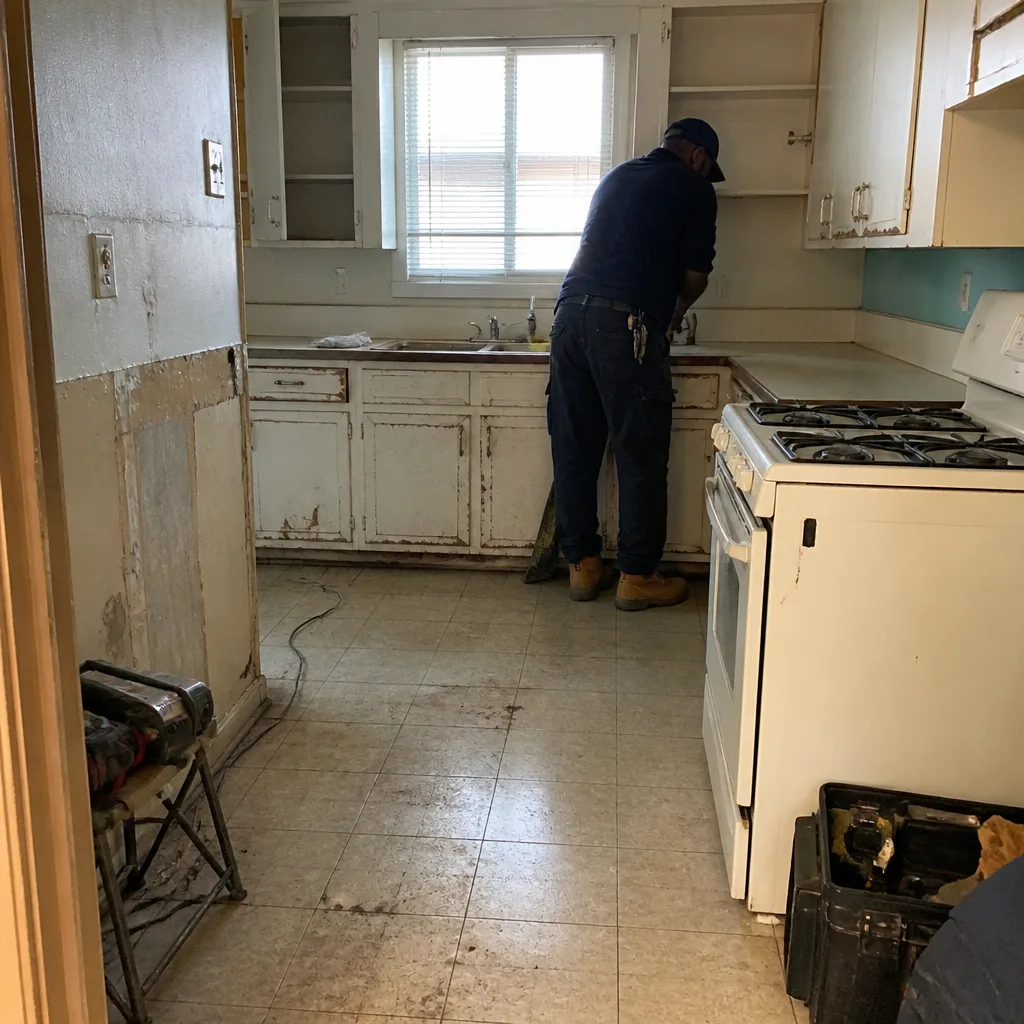 Before
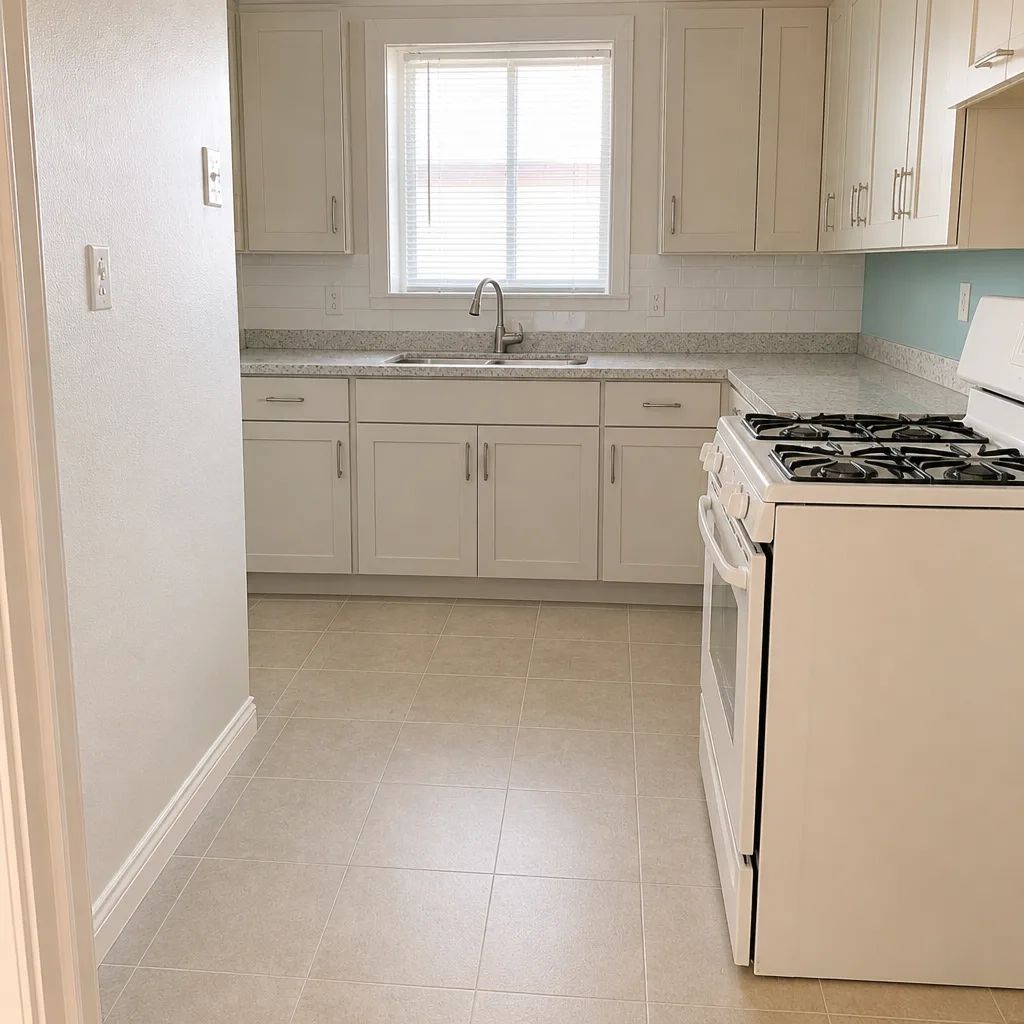 After
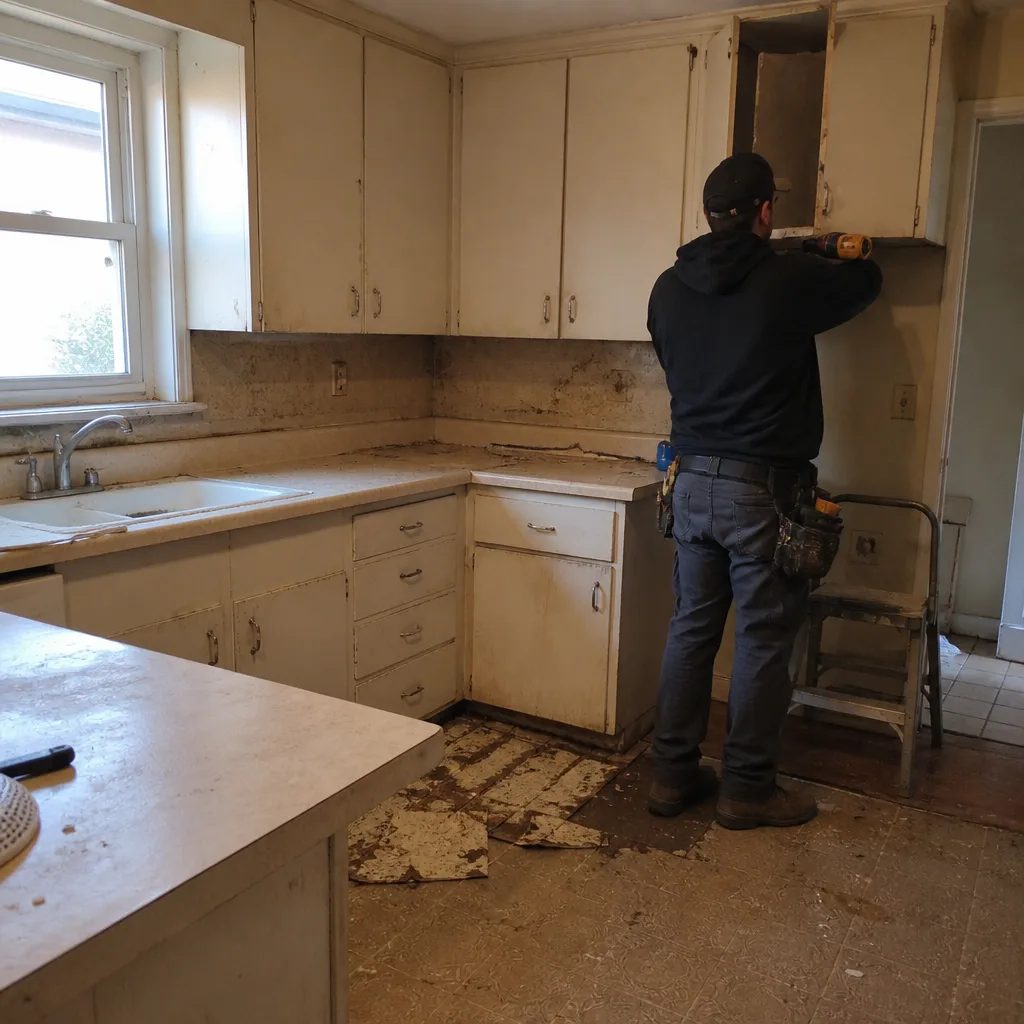 Before
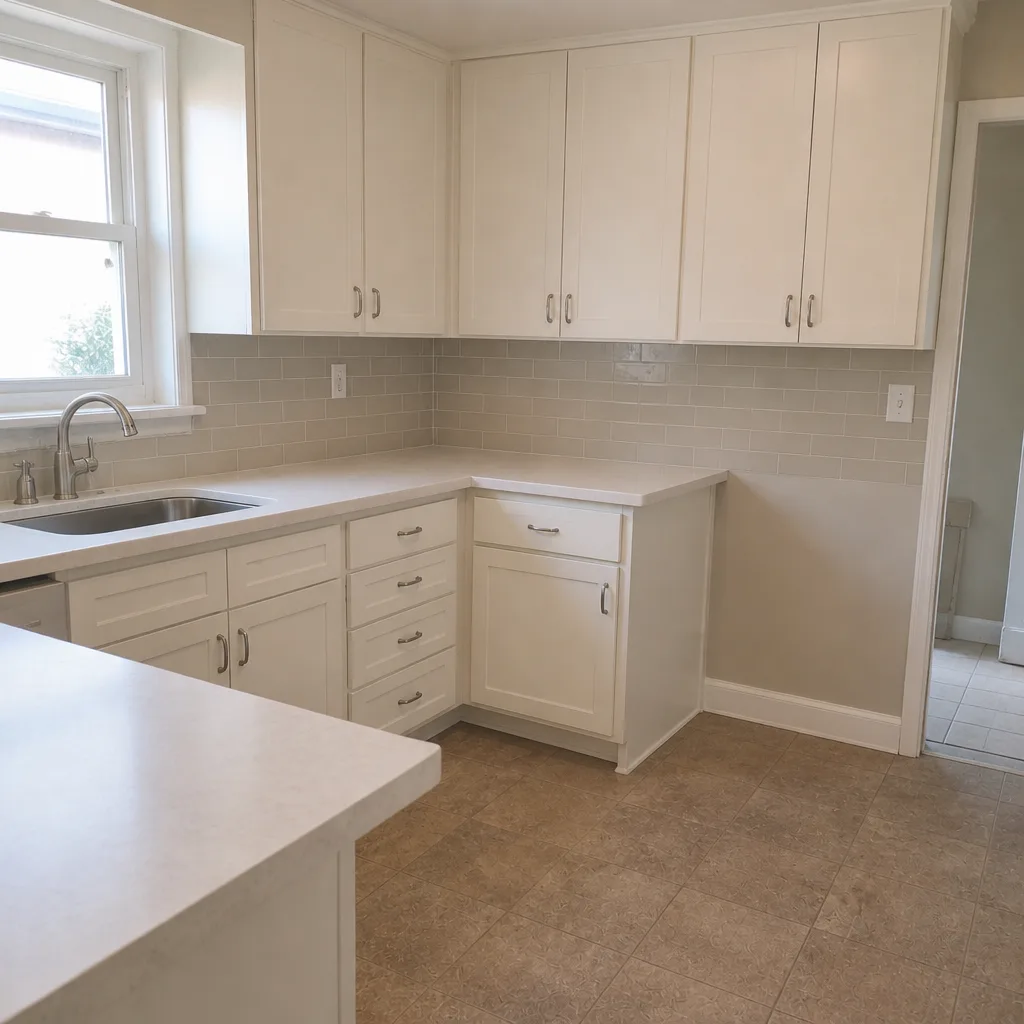 After
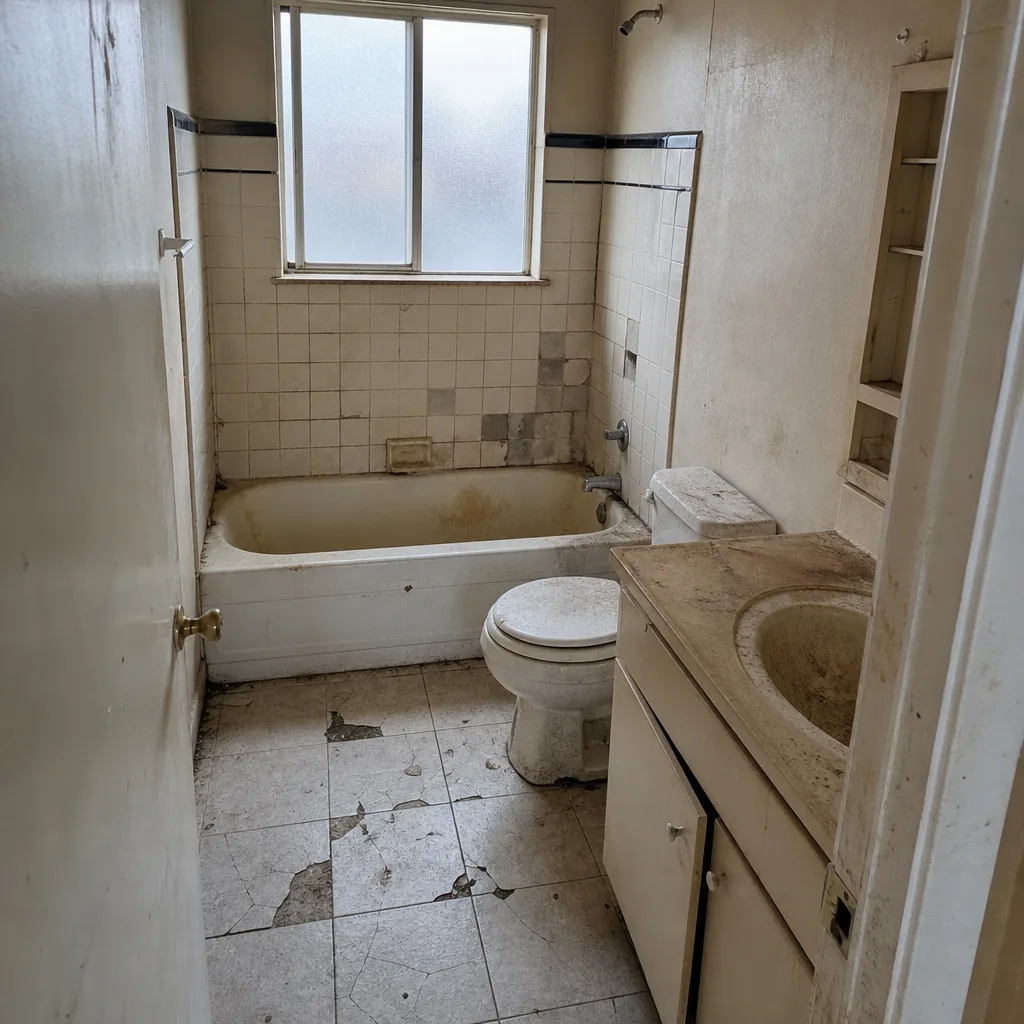 Before
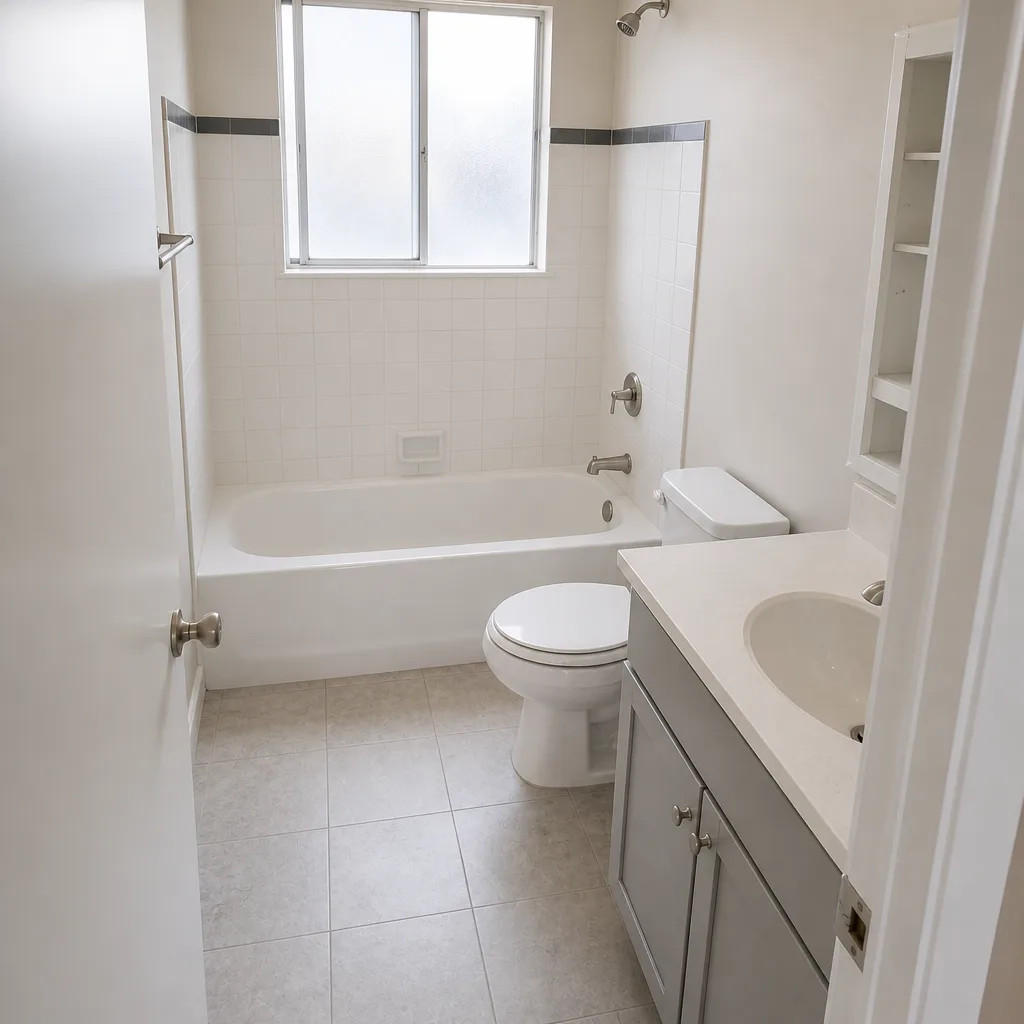 After
When to Call a Professional
Call a professional the moment you see structural work that doesn’t match the approved plans, water in the framing, or a contractor who won’t release a lien at payment. Those three items are not fix-later items, and they get more expensive every day. The same is true if the crew has been off the site for more than a few days without explanation, if the contractor asks for a payment outside the stage schedule, or if you’ve been asked to pay the full balance before the walk-through. If you’re in the middle of a Fairfield project and unsure whether what you’re looking at is normal construction or a warning sign, an independent set of eyes is worth the hour. Bradford Remodeling Co Fairfield offers free estimates in Fairfield – call (833) 998-3242.
Frequently Asked Questions

The first warning sign is usually paperwork, not workmanship. A contractor who hasn’t given you a written price and a stage-based payment schedule before any work starts is already off-pattern. On the job site, the first visible sign is missing blocking or fire blocking during the frame walk – it’s the simplest thing to check and the easiest thing to skip. Call (833) 998-3242 for a free estimate and we’ll walk you through what a properly documented job looks like from day one.
On any home improvement contract over $1,000, California law limits the down payment to 10% of the contract price or $1,000, whichever is less. More than that is a violation of the Business and Professions Code, and any contractor who asks for it is a red flag. Call (833) 998-3242 to talk through a written, stage-based payment schedule for your project – estimates are free.
A lien release is a signed document from a contractor, sub, or supplier confirming they’ve been paid for their work or materials and releasing the right to file a mechanic’s lien against your home. Yes, you need one – at every payment milestone. Without it, an unpaid sub can file a lien on your property even after you’ve paid the general contractor in full. Call (833) 998-3242 if you want to see how we handle lien releases on a Fairfield job.
Yes. The CSLB handles complaints for unlicensed contracting, license law violations, abandonment, and certain workmanship issues. It does not handle pricing disputes or a change-order argument. File when the contractor has abandoned the job or refuses to correct a documented safety defect; negotiate first if the work can still be corrected and the contractor is responsive. Call (833) 998-3242 if you want a second opinion on whether what you’re seeing is a CSLB matter or a corrections matter.
Normal construction mess is contained and hauled at the end of each day; a disorganized crew leaves debris sitting for days and stacks materials on finished flooring. The measurable signal is the foreman – a foreman who is on site every day with the plans in his hand is running the job; a foreman who is bouncing between three jobs is not. Call (833) 998-3242 and we’ll walk through how we schedule a Fairfield job day to day.
Yes, in some cases. The city inspector checks code compliance; they don’t check workmanship. A header can be the right size for the span and still be installed 1/8-inch out of level, and that’s the kind of defect only an independent inspection catches. If the finished surfaces look wrong or the framing doesn’t match the plan, get an inspection before you release payment. Call (833) 998-3242 for a free estimate on correcting the remaining scope.
The Bottom Line
The warning signs that cost homeowners the most money are the ones that show up while the job is still in progress: missing blocking, missing fire blocking, undersized headers, unorganized crews, more than 10% down, and no lien releases at payment milestones. All of these are visible and all of them are fixable – but only if you catch them before drywall goes up and before you’ve paid out the balance. In Fairfield, we’ve seen every one of these patterns and we know what they cost to correct on the back end. The alternative is a job that runs on written price, documented scope, and a full-year guarantee. If you’re ready to price a project the disciplined way, call Bradford Remodeling Co Fairfield at (833) 998-3242 for a free estimate.
Written by the team at Bradford Remodeling Co Fairfield.