Last updated November 17, 2026








Free written scope consultation - allowances, timeline, and change-order rules on paper before a single trade is scheduled
General Contractor Maintenance Checklist for Fairfield Homeowners
A cracked bead of caulk around a Fairfield window frame isn’t a cosmetic problem. After one Delta-wind rain event, water gets behind that bead, into the sheathing, and into the framing. Framing issues don’t show up on a repair invoice. They show up on a remodel estimate, usually two or three years later, usually with the words “we opened up the wall and found” in front of them. Fairfield homes take a specific beating: triple-digit dry heat from June through September, then a wet winter that arrives fast, with constant wind load off the Delta in between. This checklist is built around what actually fails here, roughly in the order it fails, and how to document it so your records hold up later.
Quick Answer
A Fairfield home needs envelope and drainage checks twice a year (spring and fall), HVAC filter changes every 60 to 90 days during the high-particulate summer season, roof fastener and ridge cap inspection before the first significant rain, and a foundation drainage walk-around for homes on the expansive clay soils in Cordelia and Tolenas. The work itself is modest. The point is catching it in writing before it becomes a remodel.
Styles & brands we work with
- Kitchen remodeling
- Bathroom remodeling
- Home additions & ADU
- Roofing
- Windows & doors
- Driveway & pavers
- Fence
Table of Contents
- Stucco Envelope Inspection: What to Check and Why Weep Screed Matters
- HVAC Filters and Ducts on a Fairfield Summer Schedule
- Foundation Drainage in Cordelia and Tolenas Clay Soils
- Roof Fasteners and Ridge Caps Before Suisun Valley Wind Season
- Windows, Doors, and the Caulk Line That Starts Everything
- Water Heater, Supply Lines, and the Slow Leak Problem
- How to Document Maintenance So It Actually Protects You
- Common Mistakes to Avoid
Stucco Envelope Inspection: What to Check and Why Weep Screed Matters
Most of Fairfield’s housing stock went up between the early 1980s and the mid-2000s, and the dominant exterior is three-coat stucco over wood frame. Stucco is a good system. It’s also a system that fails quietly, because the failure happens behind a surface that still looks intact from the street.
The single most important detail on a stucco house is the weep screed: the metal channel at the bottom of the stucco wall that lets moisture drain out and gives the wall a way to dry. It should sit at least 4 inches above finished grade, and it should be visible. If soil, mulch, or a patio slab has been brought up to meet the stucco, the wall can’t drain. Moisture wicks up, the lath rusts, and the stucco starts to crack in a pattern that follows the framing behind it.
Here’s the walk-around we recommend twice a year:
- Walk the full perimeter. Look for the weep screed at the base of every stucco wall and confirm it’s clear of soil, mulch, and pavement.
- Check for cracks. Hairline cracks are normal. Cracks wider than a credit card, or diagonal cracks running from the corner of a window or door, deserve a closer look.
- Tap the stucco lightly with a screwdriver handle. A hollow sound means the stucco has separated from the substrate underneath, which is the substrate’s way of telling you water is getting in.
- Look at the bottom 12 inches of the wall for efflorescence, that white chalky staining. It’s salts pushed out by moisture moving through the wall.
- Photograph anything you find with a tape measure in frame for scale, and write the date on the photo. More on why in the documentation section.
If you’re already seeing hollow stucco or cracks that run with the framing, that’s a sign you’re past maintenance and into repair. Our General Contractor in Fairfield page covers how we scope that kind of work and what a written estimate looks like.
HVAC Filters and Ducts on a Fairfield Summer Schedule
Generic maintenance advice says change your filter quarterly. That advice was not written for Fairfield. From June through September, this valley holds a lot of airborne particulate, and the Delta wind keeps it moving. A filter that would last three months in a milder climate is loaded up in six to eight weeks here.
Our rule of thumb for Fairfield homes: check the filter every 60 days, replace it every 90 days during cooling season, and go to 60-day replacement if anyone in the house has allergies or you have pets. A clogged filter doesn’t just cost you efficiency. It raises the static pressure on the blower, and a blower working against high pressure is a motor on a shortened clock.
Ducts deserve their own check, and almost nobody does it. Look for:
- Disconnected or sagging flex duct in the attic. Attic temperatures here easily pass 130 degrees in July, and duct insulation degrades in that heat.
- Crushed sections where a duct runs under a low clearance or was stepped on during a previous repair.
- Duct joints taped with the old gray cloth tape that’s now peeling. That tape has a short life; mastic or foil tape is the better repair.
- Return air paths that are blocked by furniture or, in older homes, by a door with no undercut.
One more thing specific to this climate: if your attic has a ridge vent and soffit vents, confirm the soffit vents aren’t painted shut. Attic ventilation is what keeps the roof deck from cooking, and a blocked soffit turns your attic into a heat box that pushes down into the living space.
Foundation Drainage in Cordelia and Tolenas Clay Soils
Not all of Fairfield sits on the same ground. Homes in the Cordelia area and in the Tolenas area sit on expansive clay soils, and expansive clay does one thing you have to plan around: it swells when it gets wet and shrinks when it dries. That cycle moves foundations, and the movement shows up as cracks in drywall, sticking doors, and out-of-level floors.
You can’t stop the cycle. You can keep the moisture in the soil around your foundation consistent, and that’s most of the battle.
- Check the slope at grade. Soil should slope away from the foundation at roughly 6 inches over the first 10 feet. If it’s flat or sloping back toward the house, water is pooling against the foundation instead of leaving.
- Look at your downspouts. Every downspout should discharge at least 4 to 6 feet from the foundation, and the splash should land on a surface that moves water away. A downspout that dumps straight onto soil next to the foundation is the most common cause of a wet clay problem we see.
- Walk the perimeter after the first big rain. Look for standing water, soggy spots, or soil that has settled into a trench along the foundation. Settlement there is a sign water has been moving soil.
- Check interior clues on the same day. Sticking doors, new cracks at the corners of door frames, and cracks in the slab or at the baseboard are worth writing down with the date.
- Don’t over-water in summer. A lawn irrigation head pointed at the foundation puts a lot of water into that clay. Most of the foundation movement we see in Fairfield happens in the shoulder seasons when soil goes from wet to dry fast.
If you’re seeing new cracks widen over a couple of seasons, get a professional out to look before you patch the drywall. Patching the crack hides the evidence, and the evidence is the useful part.
Roof Fasteners and Ridge Caps Before Suisun Valley Wind Season
Fairfield roofs fail at the edges before they fail in the field. In our experience, the shingles in the middle of a slope usually have plenty of life left when the problems start showing up at the ridge, the hips, and the rake edges, because that’s where the wind gets its grip. The wind patterns coming off Suisun Valley put real lift on a roof, and lift pulls fasteners.
Timing matters more than frequency here. Do this inspection before the first significant rain, not after. A roof that’s tight in early October is a roof you don’t think about in January.
What to look at, from the ground where you can, and on the roof only if it’s safe to be there:
- Ridge caps. Look for caps that are lifting, curling, or missing granules. Ridge caps take the most wind load of any shingle on the roof.
- Fasteners. On an accessible roof, check for nails that have backed out. A popped nail is a future leak, and it’s a five-minute fix while it’s still just a popped nail.
- Flashing at penetrations. Vent stacks, chimneys, and skylights. The flashing, not the shingle, is what actually keeps water out at those points.
- Gutters and downspouts. Clean them before the rain. A gutter full of debris backs water up under the bottom course and rots the fascia.
Roof work is genuinely dangerous. Falls from residential roofs are a leading cause of serious injury in construction, and a roof that looks walkable from the ground can be soft underfoot, especially after heat cycling. If you’re not set up to be on a roof safely, don’t be on the roof. Get an experienced professional up there.
Windows, Doors, and the Caulk Line That Starts Everything
Caulk is the cheapest item on this entire list and the one with the highest return. An exterior caulk bead has a working life of somewhere around five to seven years in this climate, and often less on south and west facing walls where the sun hits hardest.
When that bead fails, water gets behind the window frame. Not much, at first. But Fairfield’s Delta wind drives rain sideways, and sideways rain finds every gap. Once water is in the wall cavity, it goes for the framing and the sheathing, and both of those are behind the drywall, which means you don’t see a problem until it’s a soft spot or a stain on the interior.
Here’s what to check:
- Run a finger along the caulk bead around every exterior window and door. If it’s cracked, pulling away, or you can press a fingernail into it and leave a mark, it’s due.
- Look at the threshold on exterior doors. A door threshold should sit above the exterior surface, and the sill should slope out, not in.
- Check the weatherstripping on doors by closing a dollar bill in the door and pulling. It should drag. If it slides out freely, you’re losing conditioned air and letting wind-driven rain in.
- On any door with glass, look at the glazing compound or the seal around the glass for gaps.
- Check window screens for damage. Not cosmetic: screens cut wind-driven rain impact on the glass and seal.
Recaulking is a homeowner-level job, and it’s a good one to do on a mild fall weekend. If you find rot behind a failed bead, that’s a different conversation. A door replacement with a solid threshold and a proper sill pan, done with a product like Therma-Tru, is often the more sensible path than trying to repair a door that’s already taken on water. Our Bathroom Remodeling in Fairfield page covers the same water-management logic as it applies inside the house.
Water Heater, Supply Lines, and the Slow Leak Problem
The most expensive water damage we see isn’t from a burst pipe. It’s from a slow leak that ran behind a cabinet for a year. A supply line that weeps a tablespoon an hour doesn’t trip anything. It just quietly rots the cabinet floor under the sink.
Once a year, do this:
- Look under every sink at the cabinet floor. Staining, swelling, or a musty smell is a leak, even if you don’t see water.
- Check the braided supply lines to sinks, toilets, and the washing machine. Braided stainless lines have a service life, and a bulging or rusted fitting is a replace-now item. The rubber hoses on older washing machines are worth replacing outright.
- Look at the water heater base and the relief valve discharge pipe for staining or corrosion. A relief valve that has discharged is doing its job, but it’s also telling you something happened.
- Flush the water heater annually. Sediment builds up on the bottom of the tank, and in a hard-water area it builds up faster. That sediment is what shortens the tank’s life.
If you’re planning a kitchen or bath project and the supply lines are older, that’s the moment to address them. Our Kitchen Remodeling in Fairfield page covers how we plan plumbing rough-in around a remodel so you’re not opening the same wall twice. In wet areas we specify proven waterproofing systems like Schluter, because a shower that’s waterproofed correctly the first time is a shower you never think about again.
How to Document Maintenance So It Actually Protects You
This is the section almost every maintenance checklist skips, and it’s the one that pays off the most. A maintenance record does two things: it supports a warranty claim if work you paid for fails, and it supports your position when you sell the house.
The system is simple. What matters is that it’s consistent, dated, and specific.
- Keep one folder, physical or digital. Every receipt, every photo, every work order, one place. Not scattered across your phone, a shoebox, and your email.
- Date every photo. A photo of a crack means nothing without a date. A photo of a crack with a date next to a photo of the same crack two years later is a record that shows movement.
- Write down what you did, not just that you did it. “Replaced HVAC filter, 20x25x1, MERV 11” beats “changed filter.” If a filter-related warranty question comes up later, specificity wins.
- Keep the written scope from any contractor. When a contractor gives you a written price and scope before work starts, keep it. That document is what a warranty claim is built on.
- Note the guarantee terms. If work is covered by a written guarantee, write the coverage period and what it covers on the front of the folder. You want to know that without digging.
This is why The Garrison Standard puts every price and every guarantee in writing before a tool comes out of the truck. A written scope and a written guarantee are worth very little if they’re not in a folder where you can find them. Every completed Bradford project carries the 365-Day Done Right Promise: if the work fails within that year, we come back and correct it at no charge. That promise only works as well as your records, which is why we hand you the paperwork at close, signed.
Common Mistakes to Avoid
- Mulching over the weep screed. Every spring, someone brings the mulch bed up 3 inches higher and buries the drainage channel. It looks tidy. It also traps moisture against the stucco for the next decade. Keep the screed visible.
- Treating caulk as a one-time job. A bead from 2020 is already at the end of its life on a west-facing wall. If you can’t remember the last time you caulked, it’s due.
- Checking the roof after the rain, not before. By the time water is coming in, the damage is already happening. The inspection is worth ten times more in September than in January.
- Assuming all Fairfield soil behaves the same. A drainage plan that’s fine on a flat lot in central Fairfield can be wrong for Cordelia clay. Know what your ground is doing before you decide the foundation is fine.
- Pointing sprinklers at the foundation. In summer, the instinct is to keep the lawn green. Water on the foundation wall in the dry season does more harm than the grass is worth.
- Patching cracks before recording them. Patching is fine. Patching without a dated photo means you’ve erased the evidence that would have told a professional how the house was moving.
- Not keeping the written scope. A verbal agreement about what a contractor was supposed to do is worth nothing in a warranty conversation a year later. Get it in writing, every time, no exceptions.
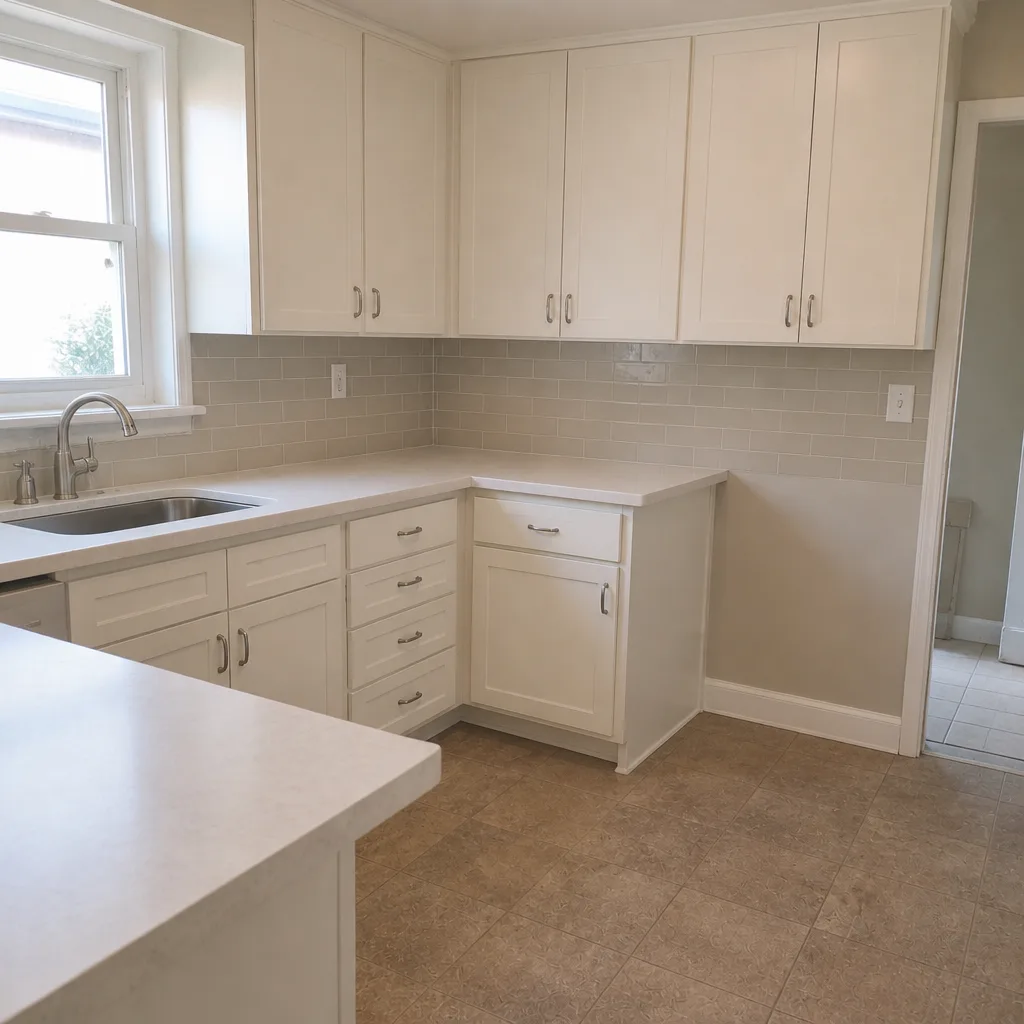
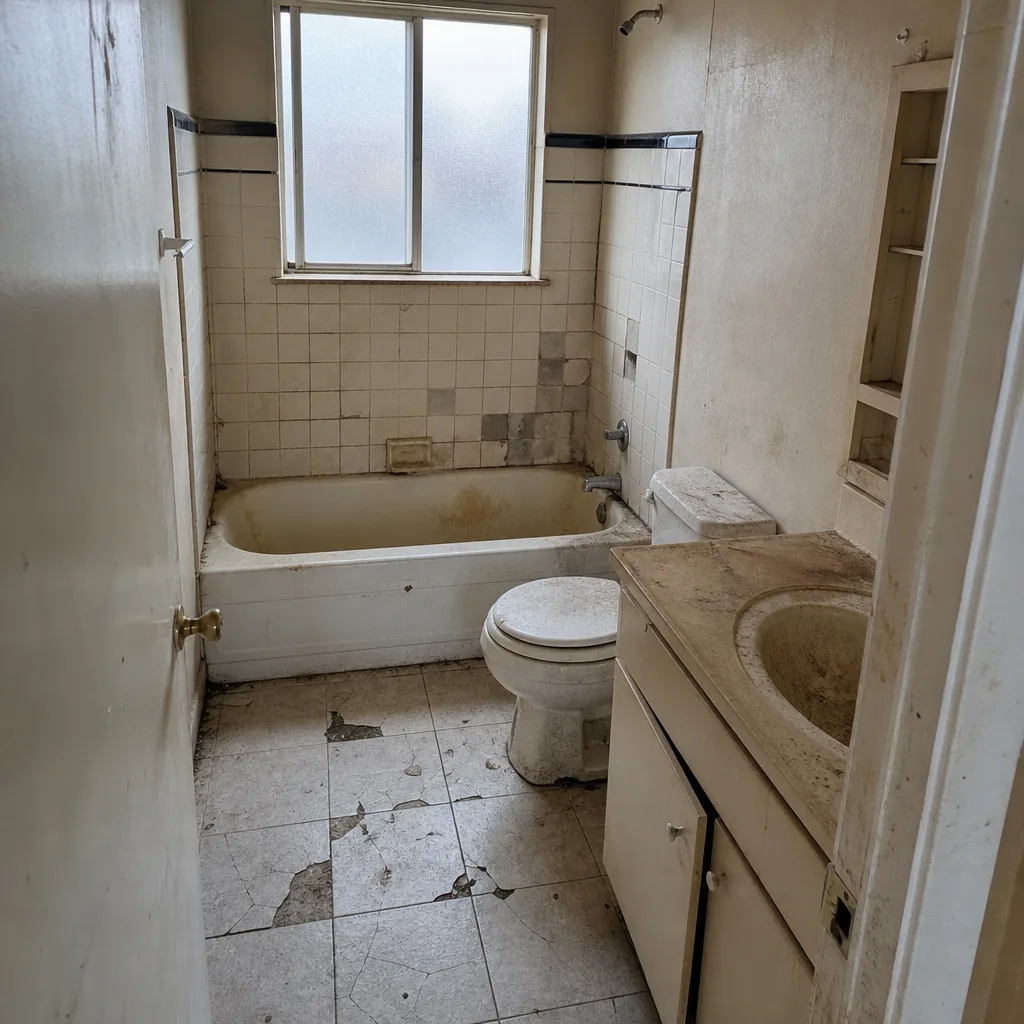
See the difference
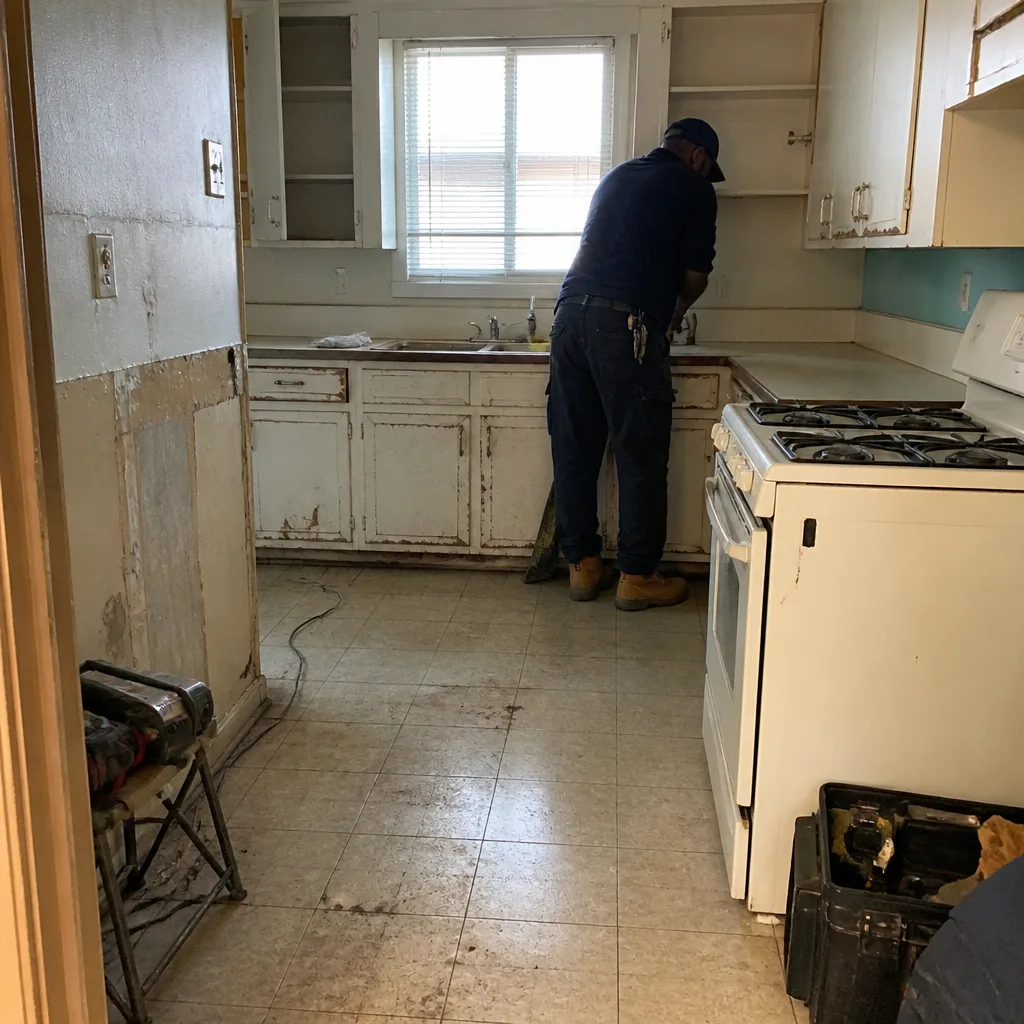 Before
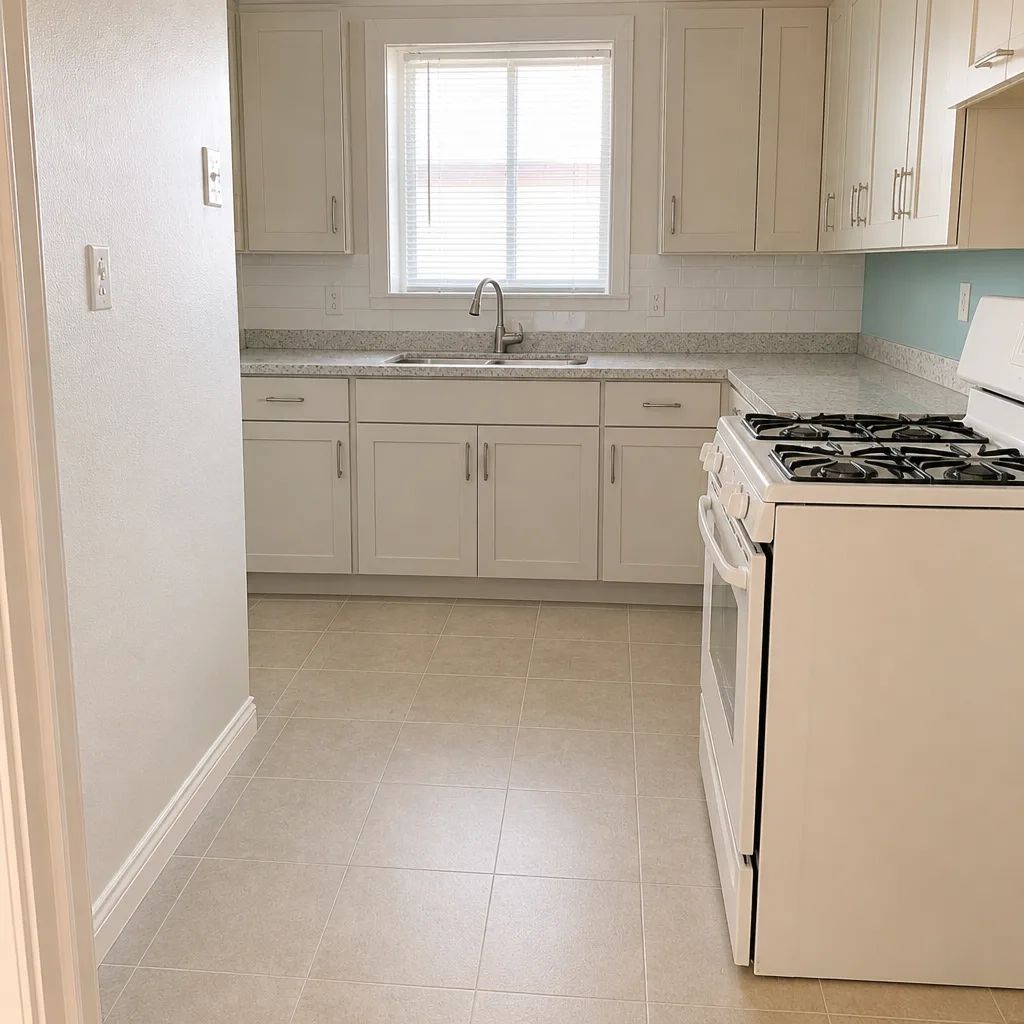 After
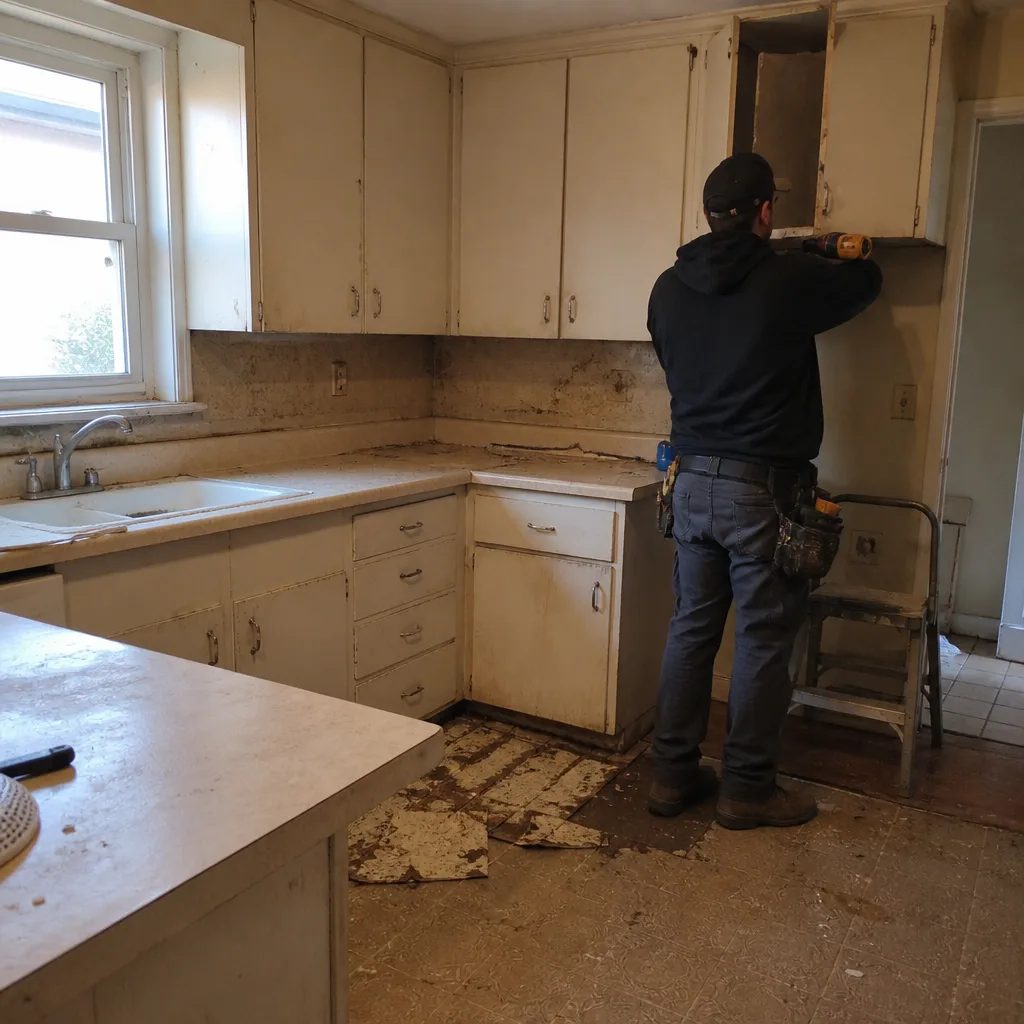 Before
 After
 Before
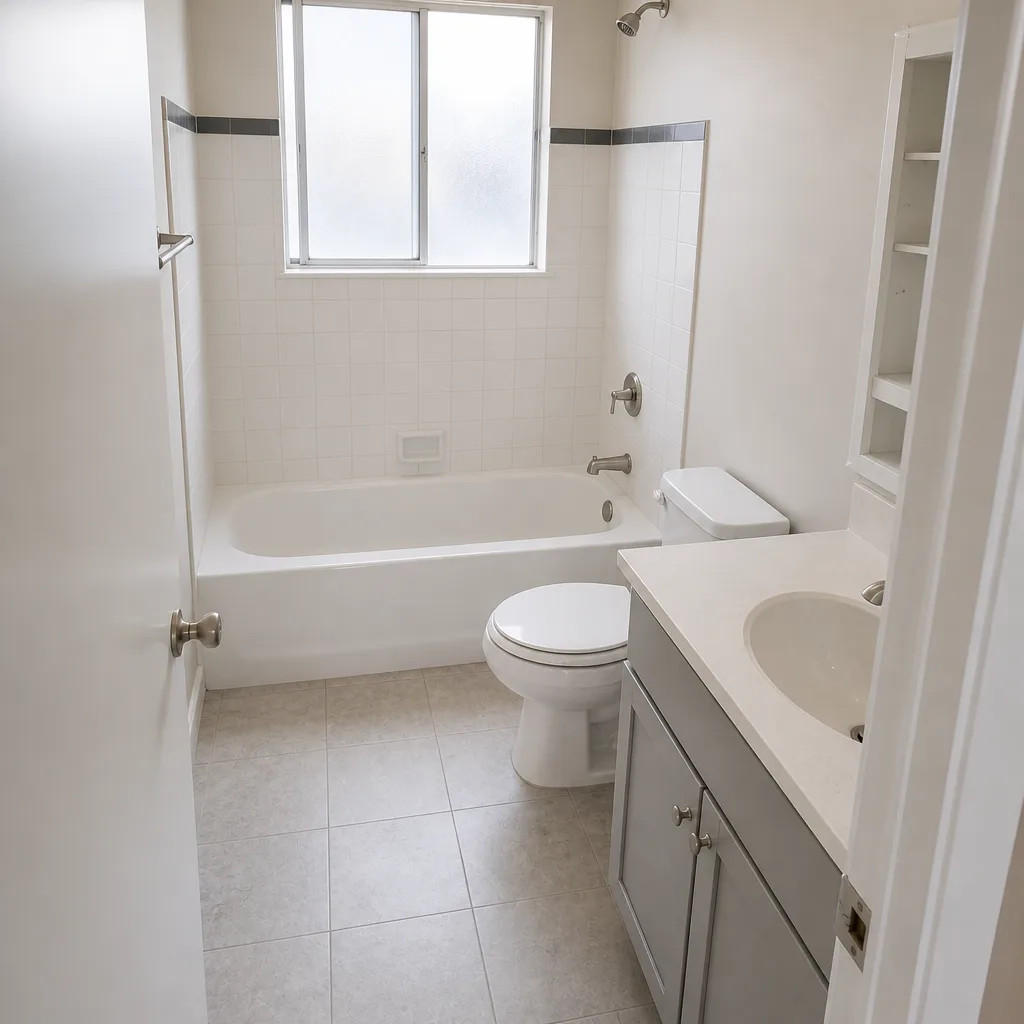 After
When to Call a Professional
Some of this list is homeowner work. Caulk, filters, gutter cleaning, and the walk-around are all things you can do. Call a professional when you see hollow stucco or a crack that’s actively widening, when you find rot behind a failed window bead, when the foundation shows movement signs that have gotten worse across seasons, or when anything about the roof needs you to be up there. Roof access and structural repair are not places to learn by doing. If you’re in Fairfield and you’re not sure whether what you’re looking at is maintenance or a repair, Bradford Remodeling Co Fairfield offers free estimates in Fairfield. Call (833) 998-3242 and we’ll get an experienced technician out to look. Our technicians have up to 22 years of experience, and every estimate comes with a written price before any work starts.
Frequently Asked Questions
Every five to seven years on most walls, and every three to five years on south and west facing walls where the sun and Delta wind hit hardest. Check it annually by running a finger along the bead; if it’s cracked or pulling away, recaulk it before the first rain.
Because stucco is designed to drain. Without clearance between the weep screed and grade, moisture can’t escape, the lath rusts, and the stucco separates from the framing. Keep the screed visible and at least 4 inches above finished grade; nothing is more important to stucco longevity.
Check it every 60 days and replace it every 90 days during cooling season, or every 60 days if you have pets or allergies. Fairfield’s high-particulate summer air loads a filter faster than the generic quarterly advice assumes.
Yes. Homes in those areas sit on expansive clay soils that move with moisture. Keep grade sloping away from the foundation, discharge downspouts at least 4 to 6 feet out, and avoid pointing sprinklers at the foundation in summer so the moisture cycle stays consistent.
Before the first significant rain, ideally in early fall. The Suisun Valley wind patterns put lift on ridge caps and fasteners, and inspecting before the wet season catches problems while they’re still small repairs instead of interior damage.
The 365-Day Done Right Promise covers work we completed for one full year from project close: if it fails within that window, we come back and correct it at no charge. What’s covered is spelled out in writing at close, and it’s specific to the scope of your project. Call (833) 998-3242 if you have a question about a guarantee on existing work.
The Bottom Line

Fairfield maintenance isn’t about a long list. It’s about catching the right five things at the right time: the weep screed before the mulch goes down, the filter before the summer load, the roof fasteners before the rain, the drainage before the clay moves, and the caulk line before the framing gets wet. Do those checks twice a year, record what you find with a date, and keep every written scope and guarantee in a folder. That bookkeeping is what turns a repair into a record and keeps a remodel off the calendar. Our technicians have up to 22 years of experience, and the work is backed in writing. If you want a professional set of eyes on any of it, Bradford Remodeling Co Fairfield offers free estimates. Call (833) 998-3242 to schedule yours.
Written by the team at Bradford Remodeling Co Fairfield.