Last updated November 17, 2026








Free written scope consultation - allowances, timeline, and change-order rules on paper before a single trade is scheduled
General Contractor Troubleshooting: Common Problems and How to Fix Them
A sagging cabinet or a cracked tile isn’t always the contractor’s fault. But proving who’s responsible after the fact is nearly impossible without a scope-of-work document that defined “done” in writing. Most remodeling problems we’re called out to look at aren’t construction failures at all. They’re contract failures that showed up in the framing or the finish work, where the plan said one thing, the crew understood another, and nobody wrote down which one counted. This guide shows you how to diagnose the problem in front of you, whether that’s a workmanship defect in Fairfield, a scope gap nobody flagged, or a documentation problem that only surfaces when money is being withheld. Each has a different fix.
Quick Answer
Most general contractor problems come down to one question: is this a workmanship defect, a material failure, or something caused by a change you asked for? Workmanship defects get fixed by the contractor under warranty. Material failures go through the manufacturer. Owner-caused changes come out of your pocket. Knowing which category you’re in before you make a phone call determines whether you get a free return visit or a bill, and it’s the single most important thing to sort out in the first 48 hours.
Styles & brands we work with
- Kitchen remodeling
- Bathroom remodeling
- Home additions & ADU
- Roofing
- Windows & doors
- Driveway & pavers
- Fence
Table of Contents
- How do you diagnose a contractor problem? Three categories
- Workmanship defects vs. material failures vs. owner changes
- What written notice does California law require before you withhold payment?
- What does “substantial completion” actually mean?
- How to document an ongoing problem in real time
- Why vague warranty clauses are unenforceable and specific ones aren’t
- When to file a CSLB complaint (and when it’s a waste of time)
- What “squared away” looks like at job close
How do you diagnose a contractor problem? Three categories
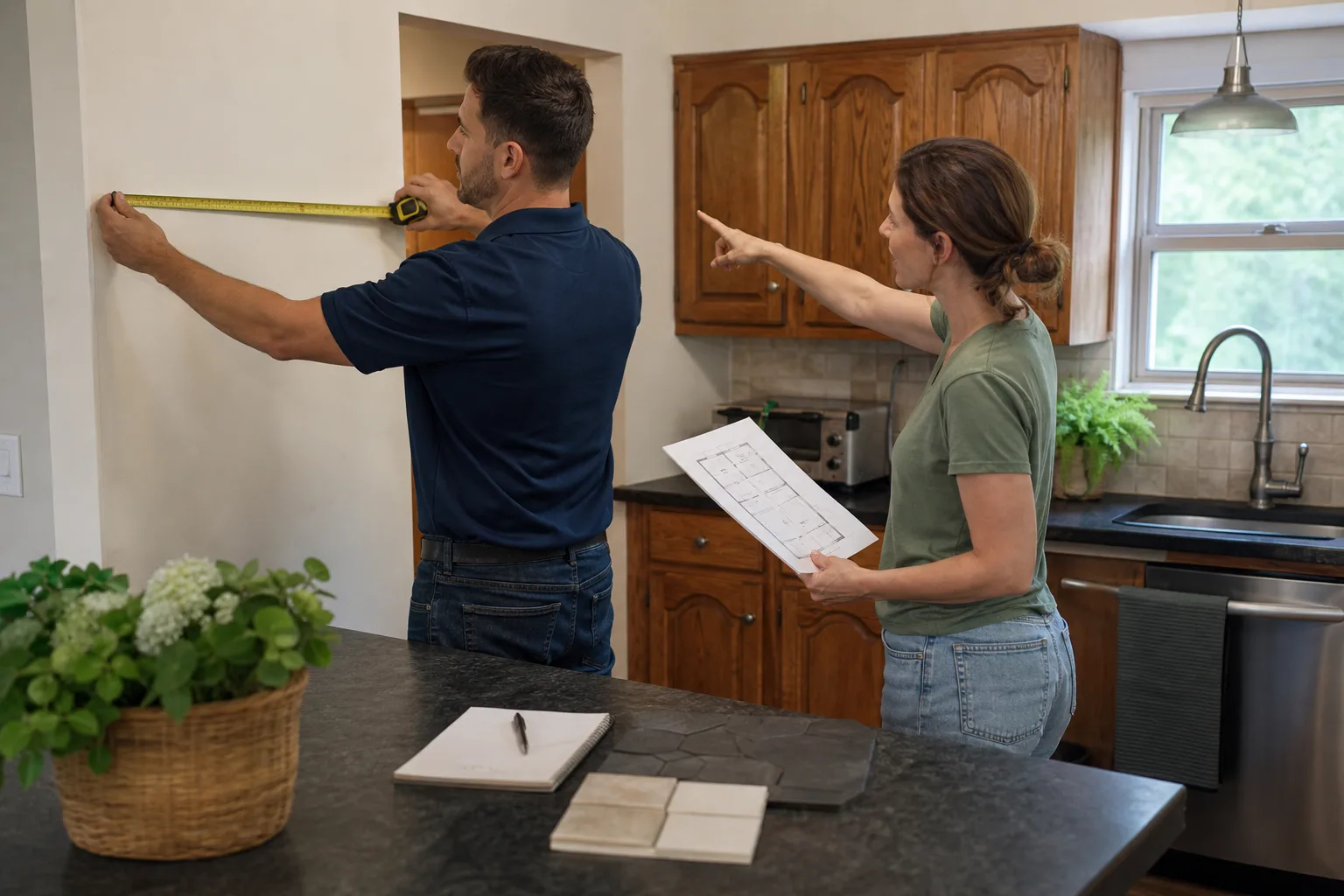
The first move in any dispute is triage. Before you call or text anyone, sit down with your contract and sort the problem into one of three buckets. Most homeowners skip this and go straight to anger, which means they’re negotiating from a position of confusion. In our experience across Fairfield kitchens and whole-home remodels, roughly seven in ten complaints we’re asked to evaluate turn out to be scope gaps, not failed construction. The work was done correctly; it just wasn’t what the homeowner pictured, because nobody put a picture in the contract.
Here’s the triage process we walk our own clients through when a question comes up mid-job:
- Read the scope-of-work line for that specific item. Not the general “kitchen remodel” paragraph at the top, the line that names your cabinets, your countertop, your tile or your door.
- Ask: was it installed per the manufacturer’s spec? Pull the install sheet. Cabinet hanging spec, tile setting spec, Hardie siding spec. These documents tell you whether the failure was installation or material.
- Check the change order log. If you asked for anything not in the original scope, and there’s no signed change order, that item is now ambiguous, and ambiguity in a dispute almost always cuts against the homeowner.
- Look at the site conditions. A tile crack in a Fairfield slab home, where the slab moves with our clay-heavy soils, is a different problem than a tile crack over backer board that was never fastened down.
Once you’re in a bucket, the remedy path is clear. Workmanship defects get a return visit under the guarantee. Material failures get a warranty claim against the manufacturer. Owner changes get a written change order and a price. If you’re still unsure after triage, that’s when a professional inspection earns its keep. Our General Contractor in Fairfield team will look at a problem without charging for an opinion.
Workmanship defects vs. material failures vs. owner changes
These three categories get confused constantly, and the confusion costs homeowners money. A workmanship defect is a failure of installation: a cabinet hung out of level, a tile set without back-buttering, a door frame that’s out of plumb so the Therma-Tru slab doesn’t catch. A material failure is the product itself going bad, like a KraftMaid drawer front that delaminates or a Cambria counter that chips from a factory flaw. An owner change is any deviation from the signed scope, whether it’s a finish upgrade, a moved outlet, or a “while you’re in there” request that never got priced. Each one goes to a different party for the fix.
Here’s the practical breakdown, using real examples we’ve seen on Fairfield jobs:
Workmanship defects
- Tile lippage on a shower floor that fails a straightedge check
- Soffit and fascia gaps where James Hardie panels don’t meet evenly
- Cabinet doors that bind because the box was hung 1/4-inch out of level
- Rough-in for a Kohler faucet where the supply lines were stubbed too shallow for the escutcheon
- Grout joints that crack because the substrate wasn’t set correctly
Material failures
- A Counter surface that chips or blooms without impact
- Exterior trim that warps within months, which typically means a bad batch from the mill
- Cabinet hinges that fail, when they’re from a brand-known hinge line and the install is correct
Owner-caused changes
- You upgraded from KraftMaid to Wellborn midway through the cabinet order
- You asked for a window to be moved after framing started
- You picked a different tile on the day the setter arrived
If you’re staring at a defect and can’t tell which of these it is, write down what you see and don’t touch it. We’ve seen homeowners make a small workmanship issue into an owner change by attempting a fix. For a broader look at how remodeling scopes get built to prevent these disputes, our Kitchen Remodeling in Fairfield page walks through the line-item scope format.
What written notice does California law require before you withhold payment?
California has specific written notice requirements before you can legally withhold payment or file a complaint with the Contractors State License Board, and skipping them is the most common reason a legitimate homeowner complaint gets dismissed. Under the state’s rules, before you withhold money you generally need to give the contractor written notice of the claimed defect, give them a reasonable opportunity to inspect and correct, and document that exchange. This is not optional theater. It’s the paper trail the CSLB and small claims courts rely on, and without it, a homeowner who’s genuinely in the right can lose.
In Fairfield, where contractors operate under the same CSLB framework as the rest of California, here’s what that notice sequence looks like in practice:
- Written notice of defect. Email is fine and often best because it timestamps. State the item, describe the failure, reference the contract line, and include photos.
- Request to inspect and correct. Give a specific window, usually 10 to 15 business days, for the contractor to come look and propose a remedy.
- Documentation of the response. If they fix it, get a written acknowledgment. If they don’t respond, you’ve now got the paper trail you need for the next step.
- Written demand before escalation. State clearly what remedy you’re seeking and by what date.
Don’t skip step one. We’ve seen homeowners stop a payment based on a phone call and then discover, six months later, that the CSLB couldn’t act because the notice was never written down. If a contractor is genuine, written notice is not an insult. If they’re not genuine, written notice is the thing that saves you. Our team at Bradford Remodeling Co Fairfield puts every scope line and every remedy path in writing before work begins, precisely so this step never has to happen.
What does “substantial completion” actually mean?
“Substantial completion” is a legal term that means the work is finished enough that the owner can use the space for its intended purpose, even if punch-list items remain. It does not mean the room is move-in ready, the punch list is done, or the final invoice is due. To a homeowner standing in an unfinished room with no baseboard and a missing door, “substantial completion” feels like an insult. But it’s the term that determines when warranty periods start, when final payment obligations kick in, and when a contractor’s right to correct starts running. Getting clear on it early prevents a lot of grief.
On the job close, “squared away” means something specific at Bradford: the site is clean, the scope is documented as complete, and the homeowner is holding a signed written guarantee. Not “substantial completion” in the legal sense, but actual completion. The distinction matters because our guarantee clock is not tied to the legal term, it’s tied to the documented close.
If your contractor is describing your room as “substantially complete” and you’re looking at unfinished trim, here’s what to check before you agree:
- Walk the whole room against the scope line by line. Every line, not the top paragraph.
- Photograph every punch-list item with the date visible.
- Ask what specific items remain and get it in writing with a target date.
- Ask when the warranty period officially starts, and get that in writing too.
- Confirm the final invoice matches the contract, with any signed change orders itemized.
For a look at how whole-home remodel close-outs look when the process is done right, our Bradford Remodeling Co Fairfield home page lays out the standard. If you’re in a bathroom remodel dispute specifically, the Bathroom Remodeling in Fairfield page walks through substrate, waterproofing, and punch-list completeness.
How to document an ongoing problem in real time
Documentation is the difference between a resolvable dispute and a dead end. Most homeowners start keeping records only after they’re angry, which means they’ve already missed weeks of evidence. Start on day one of an active problem, not the day you call a lawyer. In our experience with Fairfield jobs where a question escalated, the homeowner’s documentation packet was the whole ballgame. Without it, a claim that could have been fixed in a week drags on for months.
Here’s the packet we recommend every homeowner keep whenever a problem is active:
- A dated photo log. One folder, dated filenames. Wide shot showing the room, close-up showing the defect. Include something in frame for scale, a tape measure or a coin works.
- A written timeline. A simple running list: date, time, what you observed, who you spoke to, what was said. Keep it factual. “Called John, said he’d schedule” is fine; avoid editorializing.
- Every written communication, saved. Emails, texts, invoices, change orders, the original contract. Save them offline as well as in your inbox.
- Signed change orders, itemized. If a change was verbal, write a summary email seeking written acknowledgment, even if the acknowledgment is just “yes, that’s right.”
- Every receipt related to the problem. If you paid for a third-party inspection, an independent assessment, or a repair attempt, keep the receipt.
If the problem escalates, this packet goes with the notice of defect, with the CSLB complaint, or with the small claims filing. It’s not aggressive to keep records. It’s what professional contractors assume any reasonable homeowner will do. And it’s how you protect the outcome for yourself even when the other party is being reasonable.
Why vague warranty clauses are unenforceable and specific ones aren’t
A warranty that says the contractor “guarantees workmanship” or “stands behind their work” is worth approximately nothing in practice. There’s no defined scope, no defined remedy, no defined period, and no defined clock for a response. A warranty that says “if the work fails within 365 days, we return and correct it at no charge” is enforceable because each of those elements is specified. Specificity is the difference between a marketing sentence and a guarantee. This is exactly why The Garrison Standard requires written, specific warranty language on every job before work starts, not after.
When you’re comparing contractor warranties, look for four things in writing:
- Duration. In days, months or years. Not “for a reasonable period.”
- Covered scope. What specific work is covered, named in the same format as the scope of work.
- Remedy. What the contractor agrees to do: return, correct, replace, or pay.
- Response window. How long the contractor has to respond once notified.
The 365-Day Done Right Promise puts all four in writing. A full year from documented close, covering the work performed, with Bradford coming back to correct it at no charge if it doesn’t hold. If the repair or remodel fails inside that window, we return and fix it. No fine print, no “evaluation required” language. If your current contractor can’t show you the same specificity in writing, that clause in your contract is decorative. For a look at how the standard holds on a full-home project, see our main page.
When to file a CSLB complaint (and when it’s a waste of time)
Filing a CSLB complaint makes sense when you’ve followed the written notice sequence, the contractor has failed to respond or remedy, and the amount in dispute is significant. It’s a waste of time when the issue is a scope disagreement, not a workmanship or license problem, or when you haven’t yet made a written request for correction. The CSLB’s process is slow, which is exactly why it should be the last step, not the first. It also works alongside small claims court, not instead of it, and for many claims under the small claims threshold, small claims is the faster path.
Practical guidance for Fairfield homeowners:
- Check the license first. Look up the contractor on the CSLB site. If they’re not licensed, or their license is inactive, that changes the remedy path significantly, and it’s a bigger problem than the defect itself.
- Sequence matters. Written notice, reasonable correction window, documentation of the failure to correct, then CSLB complaint or small claims filing. Filing first usually means you’ll be asked to start over.
- Small claims is often faster. For claims within the small claims limit, you may get a resolution faster than through the CSLB complaint process. Which venue makes more sense depends on the dollar amount and the nature of the claim.
- Don’t use the threat as leverage. A contractor who is going to fix it under warranty will do so without the threat. A contractor who won’t fix it won’t be moved by the threat either. Threatening early hardens the negotiation.
If you’re unsure which path applies to a specific problem in a Fairfield home, a short conversation with our team is free. We’ll tell you what category your problem falls into and whether it’s a warranty return, a CSLB matter, or a legal question for someone else to handle.
What “squared away” looks like at job close
The most preventable contractor problems at the finish line come down to close-out discipline. A job that ends with a clean site, a documented scope with every line signed off, a final invoice that matches the contract, and a signed written guarantee in the homeowner’s hand does not produce disputes. It produces referrals. Most of the “problems with general contractor” complaints we read online trace back to a close-out that was rushed, undocumented, or both. The fix is simple: don’t treat the walkthrough as a formality. Treat it as the moment the warranty officially begins, and put that in writing.
If your current job is heading toward close and the contractor is pushing you to sign a completion form without a punch-list walk, push back. Politely, in writing. You’re not being difficult, you’re doing what every disciplined contractor does with their own crews. A Fairfield remodeler who fights you on this either has a documentation problem or is rushing the close. Either way, the fight is worth having before the last check changes hands.
Common Mistakes to Avoid
- Skipping written triage. Going straight to a phone call with anger, before you’ve sorted the problem into workmanship defect, material failure, or owner change, means you’ll be negotiating from confusion. Sort first, call second.
- Assuming “substantial completion” means done. It’s a legal term, not a punch-list sign-off. In Fairfield, that distinction has cost homeowners the start of their warranty period when they accepted “substantially complete” at the final walkthrough.
- Making verbal changes and paying later. Any change without a signed change order is ambiguous in a dispute, and ambiguity cuts against the homeowner. Even a “while you’re at it” ask needs a line.
- Stopping payment before written notice. California requires written notice and a reasonable correction window before you can legally withhold. Stopping a check on the basis of a phone call is the single fastest way to lose a legitimate claim.
- Trusting a warranty with no defined duration or remedy. “Guaranteed workmanship” is decorative language. It must name the period, the scope, the remedy, and the response window.
- Leaving the close-out walkthrough as a formality. That’s the moment the warranty officially begins, and it’s the moment to document every punch-list item with a date. Skipping it means your guarantee has no defensible start date.
- Missing the material failure warranty window. Cabinet and surface manufacturers, including the brands we install, publish specific warranty terms. Chasing the contractor for a material failure that should have been filed with the manufacturer burns the manufacturer’s deadline.
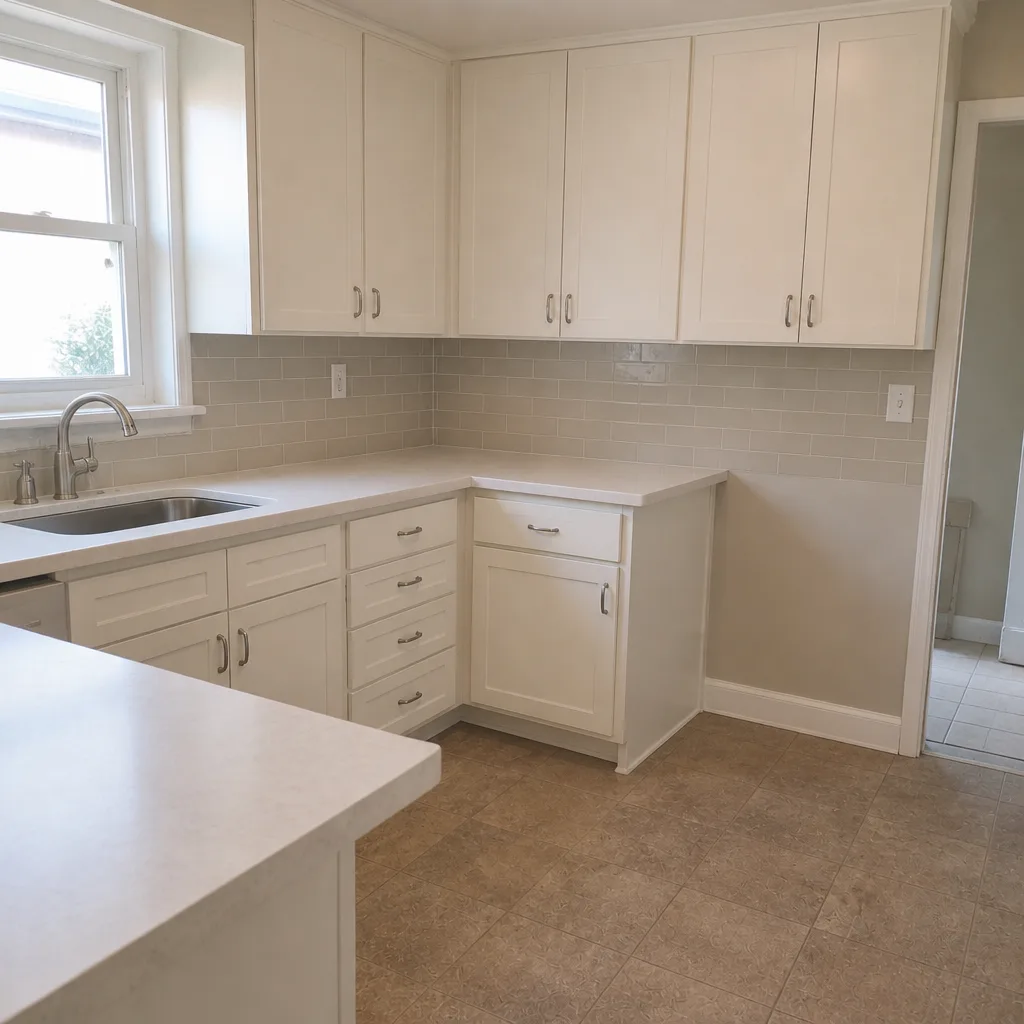
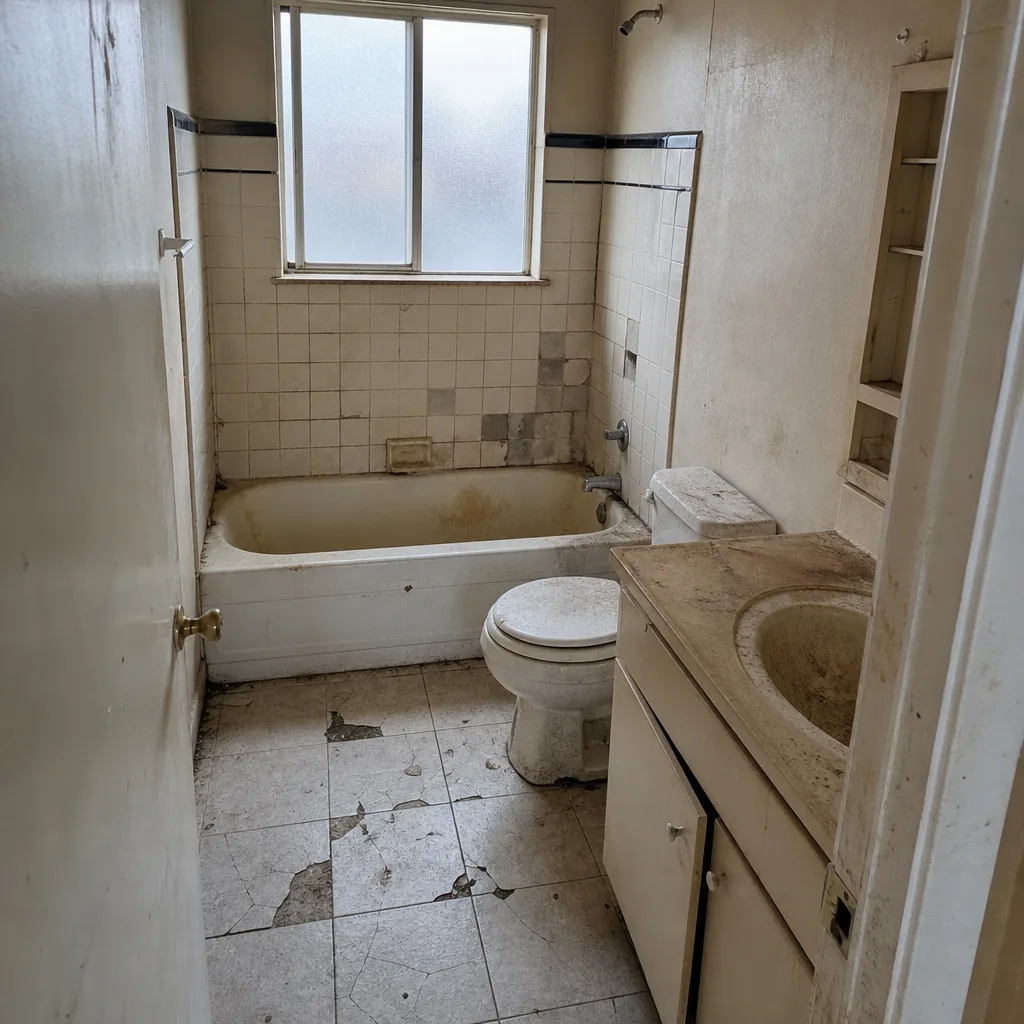
See the difference
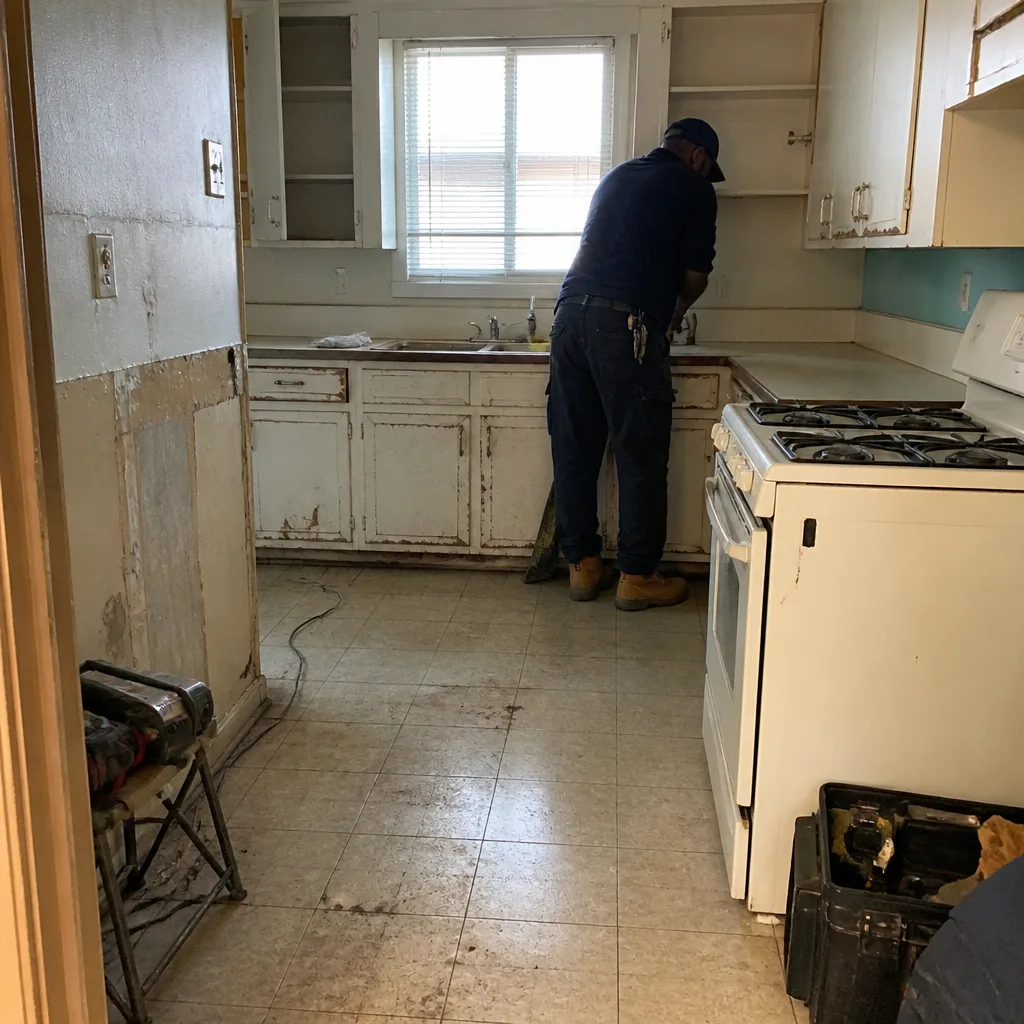 Before
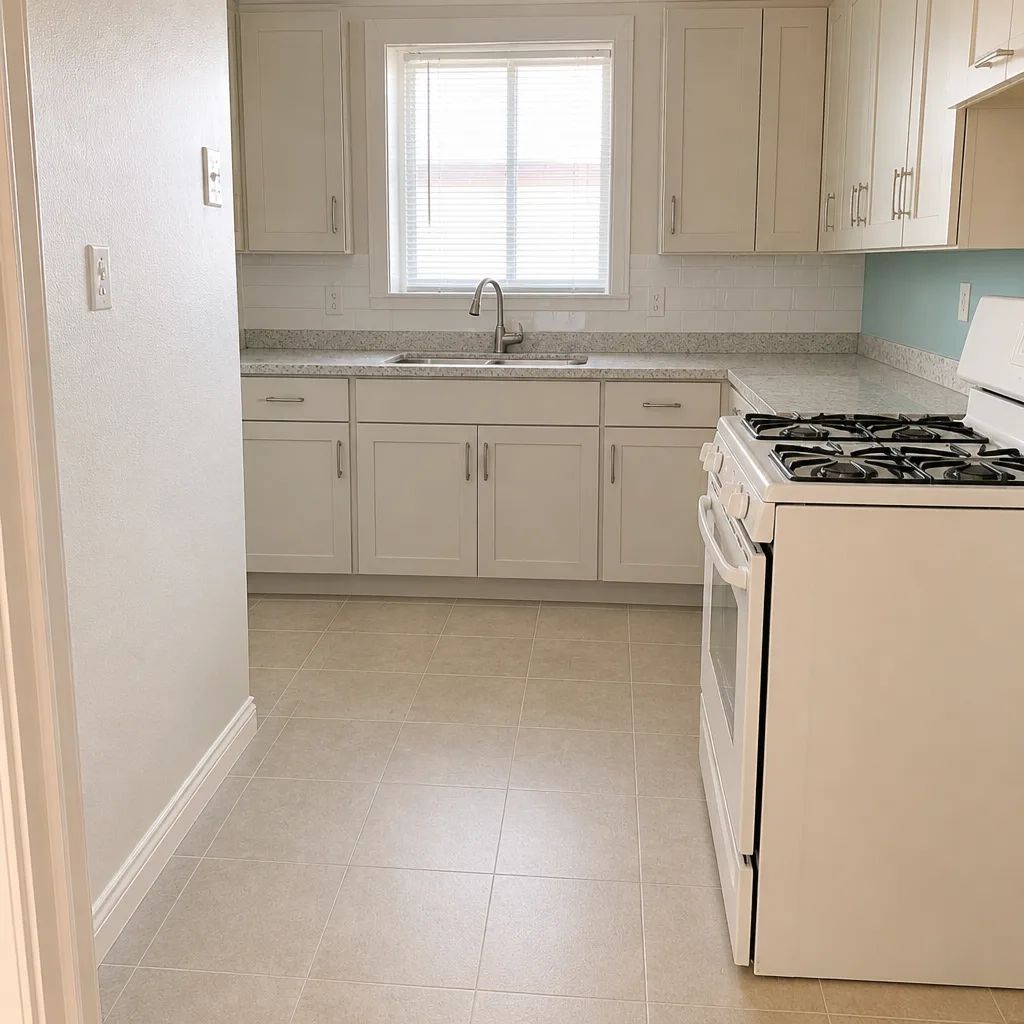 After
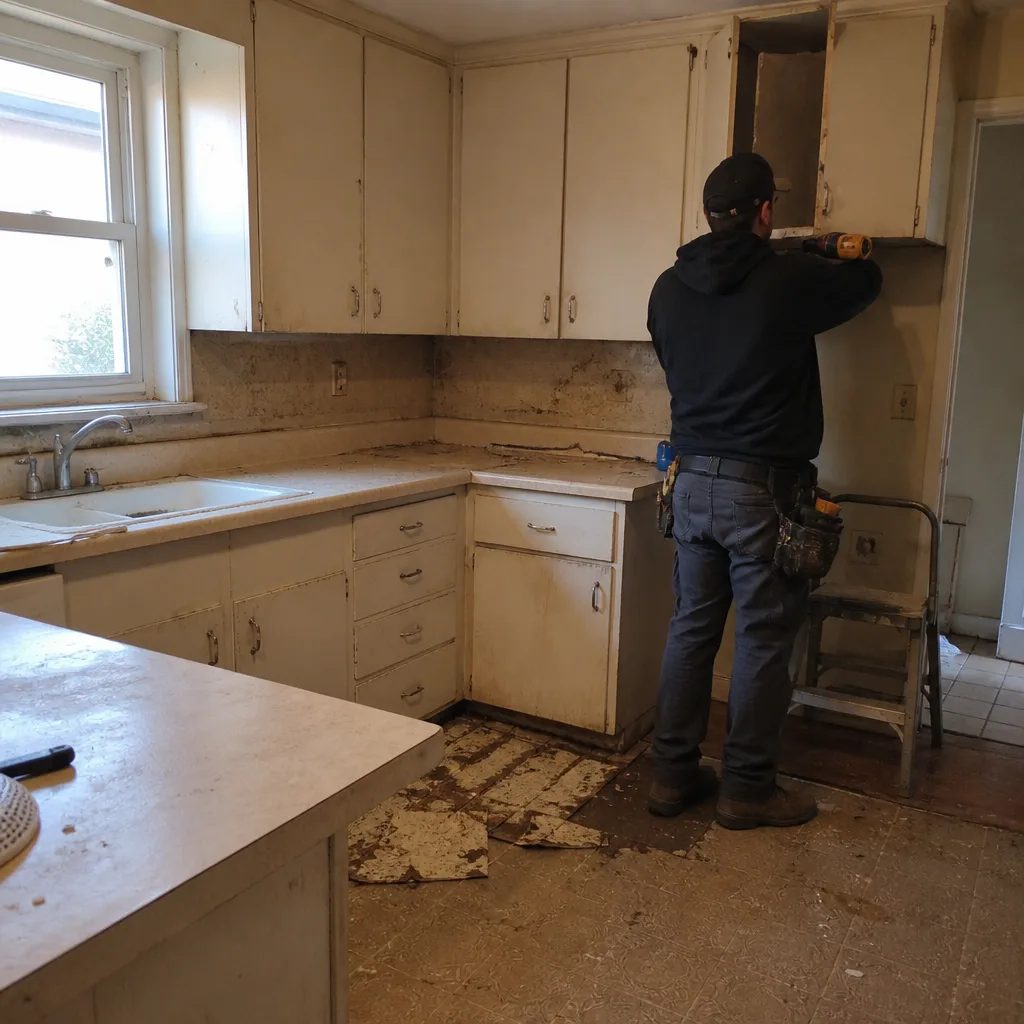 Before
 After
 Before
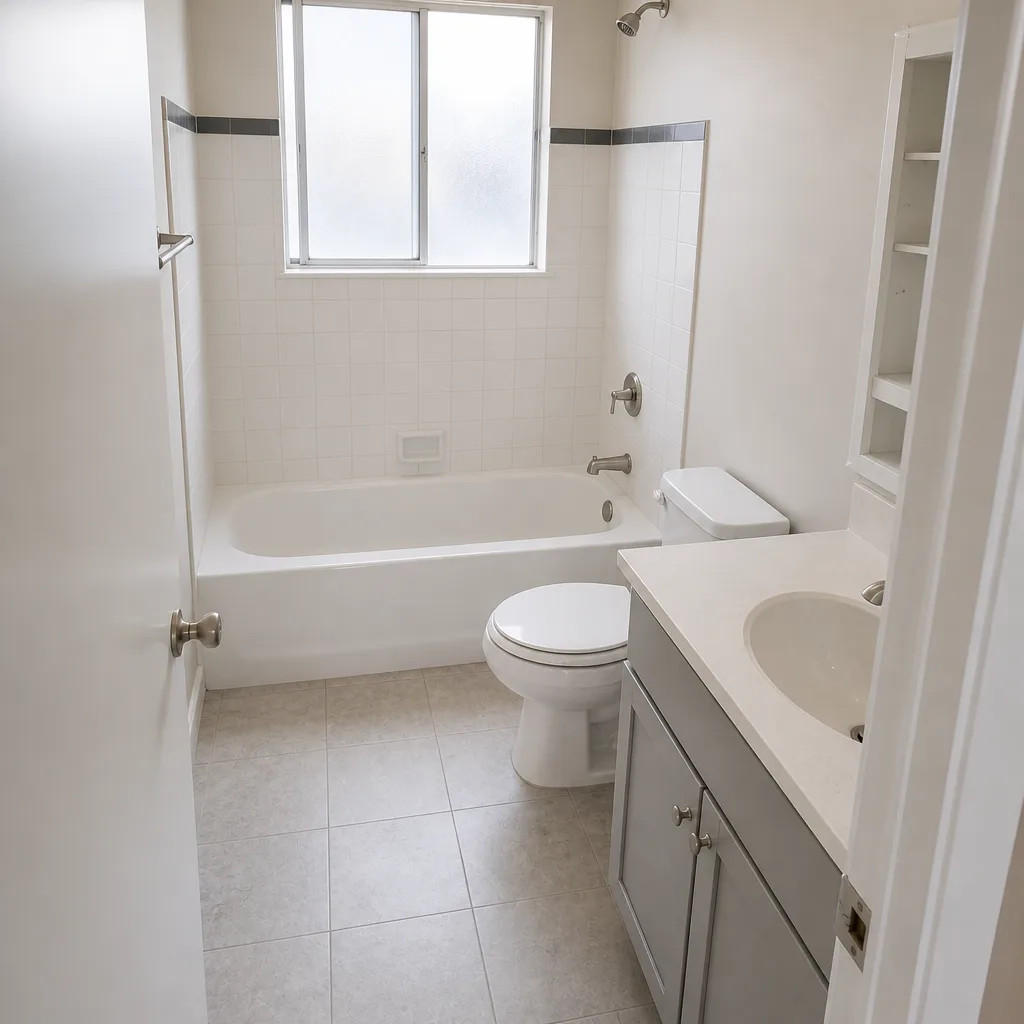 After
When to Call a Professional
Call a professional when the problem is structural, when it’s a safety issue, or when you’ve triaged it and can’t tell what category you’re in. A sagging cabinet that’s pulling from the wall, a shower that’s showing water behind the tile, a door frame that’s out of plumb enough to affect the whole wall, or a soffit and fascia gap that’s letting water in all warrant a professional look before you touch anything. The same applies when a contractor problem escalates past a friendly phone call. Get an assessment from someone who can look at the work and give you a written diagnosis in plain language.
Bradford Remodeling Co Fairfield offers free estimates in Fairfield. Call (833) 998-3242 to schedule one. A live person answers the phone 24 hours a day, 7 days a week, and every estimate comes with a written price before any work starts. If you’re in the middle of a dispute with another contractor and want a second opinion on what you’re looking at, that same call gets you a straight read.
Frequently Asked Questions

Read your scope of work for the specific line that covers the problem, then sort it into one of three categories: workmanship defect, material failure, or owner-caused change. That first step determines whether the contractor owes a repair, the manufacturer owes a warranty claim, or you owe a change order. Skipping the triage step is the most common reason a legitimate homeowner complaint goes nowhere. If you’re not sure which category applies, call (833) 998-3242 for a free second opinion.
Yes, but only after you’ve given written notice of the claimed defect and a reasonable opportunity to inspect and correct. California requires that paper trail before withholding is defensible, and skipping it is the fastest way to lose a legitimate claim even when you’re in the right. Put the notice in writing, state the specific defect, and reference the contract line. Send it by email so the timestamp is preserved.
A workmanship defect is a failure of installation, such as tile set without back-buttering or a cabinet hung out of level. A warranty claim covers a product that failed on its own, such as a counter surface that chips without impact. The workmanship defect goes back to the installing contractor under their guarantee. The material failure goes to the manufacturer under their product warranty. Different paths, different paperwork, and mixing them up delays both.
The two items that do the most work are a dated photo log and a written timeline of what you observed and when. Pair that with the original scope of work and any signed change orders, and you’ve got the packet the CSLB and small claims court rely on. Written notice of the specific defect in the contract’s own terms is the third piece. Get a professional inspection if you want an independent opinion on whether the install matched manufacturer spec.
Not always. Most workmanship issues resolve through written notice and a correction window. The question of whether you need a lawyer depends on the dollar amount, whether the contractor is licensed and insured, and whether they’re responsive in writing. Start with a written notice and a professional assessment. If the problem escalates past that, a short consultation with an attorney is usually cheaper than a year of disputes.
Under the 365-Day Done Right Promise, if the work fails within a year of documented close, Bradford returns and corrects it at no charge. The guarantee is in writing before any work starts, and it names the scope, the duration, and the remedy. If a problem comes up outside the promise window or on the material side, we’ll walk you through the manufacturer’s warranty path and stay available for the assessment. Call (833) 998-3242 and a live person will pick up.
The Bottom Line
Most remodeling problems get worse not because the underlying issue was severe, but because the documentation was thin and the notice wasn’t written. Sort the problem into workmanship defect, material failure, or owner-caused change first. Send written notice before you withhold payment. Treat the close-out walkthrough as the moment the warranty begins, not a formality. Get the guarantee in writing with a specific duration, a specific scope, and a specific remedy, because vague warranty language is decorative. Everything else is downstream of those four things. If you want a second look at a Fairfield job in progress, or a written scope built clean the first time, that’s what we’re here for.
Written by the team at Bradford Remodeling Co Fairfield.
Ready for a written price before any work starts? Call (833) 998-3242 for a free estimate from Bradford Remodeling Co Fairfield. A live person answers 24/7, every estimate is in writing, and every completed project carries the 365-Day Done Right Promise.