Last updated November 17, 2026
Free written scope consultation - allowances, timeline, and change-order rules on paper before a single trade is scheduled
DIY vs Professional Bathroom Remodeling: What’s Safe to Do Yourself
Here’s the part most DIY guides skip: in California, you can legally pull your own bathroom permit and perform your own plumbing and electrical work on the home you live in. That’s not a loophole, it’s written into state law. But the moment you sell that house, unpermitted or improperly documented work shows up on a title report, and what was a $400 permit becomes a disclosure negotiation that can stall or sink a sale. This guide draws the line precisely: which bathroom tasks a Fairfield homeowner can genuinely self-perform, which ones fail often enough that professional work is cheaper in the long run, and what California actually requires before you pick up a wrench.
Quick Answer
A California homeowner can legally self-perform most cosmetic bathroom work and, on an owner-occupied single-family home, can pull their own permit and do their own plumbing and electrical. The tasks where DIY reliably goes wrong are waterproofing membrane installation, shower drain slope, and GFCI electrical placement – and those failures are expensive, hidden, and often uninsurable. Hire a licensed C-36 plumber or C-10 electrician for anything behind the wall or inside the panel, and self-perform tile, paint, vanity swaps, and fixtures.
Styles & brands we work with
- Kitchen remodeling
- Bathroom remodeling
- Home additions & ADU
- Roofing
- Windows & doors
- Driveway & pavers
- Fence
Table of Contents
- What California Law Actually Allows Owner-Builders to Do
- The Three Bathroom Tasks Where DIY Failure Rates Are Highest
- How Unpermitted Work Shows Up on Title – and What Legalizing Costs
- Realistic Labor Hours for Common Bathroom Tasks
- What’s Genuinely Safe to Do Yourself in a Fairfield Bathroom
- What a Written Scope and Warranty Provide That DIY Can’t
- Fairfield-Specific Code and Climate Considerations
- DIY vs Professional: A Realistic Cost Comparison
What California Law Actually Allows Owner-Builders to Do
California’s Business and Professions Code allows a homeowner to act as their own contractor on a property they own and occupy, provided they pull the permits in their own name and do the work themselves. That’s a real legal pathway, and plenty of Fairfield homeowners use it. The state does not test your skill before issuing a permit – it tests your paperwork.
The restriction that matters is the license line. Plumbing work that connects to the potable water system or the drain-waste-vent system falls under a C-36 plumbing license. Electrical work beyond swapping a fixture like-for-like falls under a C-10 electrical license. When you self-perform as an owner-builder, you’re exempt from holding those licenses on your own home. When you hire someone to do the work for you, they must hold the license. This is where dozens of “handyman” situations go sideways in Fairfield: the person doing the shower valve replacement isn’t licensed, the work isn’t inspected, and the homeowner owns the liability.
Three practical boundaries worth committing to memory:
- Owner-builder exemption is for your primary residence. It does not apply to rental property, a flip, or a second home. You cannot use it on a house you don’t live in.
- You cannot hire an unlicensed person to do licensed work under your permit. The permit is in your name; the liability is in your name; the license requirement still applies to whoever swings the hammer for pay.
- Gas line work is a separate category. If your bathroom has a gas fixture or you’re rerouting gas for a tankless water heater, that’s beyond owner-builder scope in almost every case. It’s dangerous work, and it requires the licensed trade.
If you’re planning a broader scope than a bathroom, it’s worth understanding how permit sequencing interacts with the rest of the house. Our general contractor in Fairfield page walks through how we sequence permits for larger projects.
The Three Bathroom Tasks Where DIY Failure Rates Are Highest
In our experience across hundreds of Fairfield bathrooms, three tasks account for the overwhelming majority of callbacks – and nearly every one of them is a task a homeowner genuinely believed they could handle. Each one fails invisibly, then reveals itself months later as rot, mold, or a tripped breaker.
1. Waterproofing membrane installation
A shower’s waterproofing membrane – the sheet or liquid layer behind the tile that actually keeps water out of the framing – is not a “close enough” task. The membrane needs continuous coverage, correct overlaps at corners and niches, proper thickness for liquid-applied products, and it needs to bond to a substrate that has been prepared to manufacturer spec. A one-inch gap at a shower curb or a pinhole at a niche corner won’t show up for months. By the time it does, you’re looking at a full tear-out. This is the single highest-failure DIY task we see in Fairfield bathrooms, and it’s not close.
2. Shower drain slope and drain assembly
A properly sloped shower pan drains at a quarter-inch per foot toward the drain. Off by even a fraction, and water pools, the membrane stays wet, and the assembly fails from the bottom up. The drain assembly itself – the clamping ring, the weep holes, the connection to the P-trap – has to be correct or the whole thing leaks into the ceiling below. This is plumbing under a C-36 scope, and it’s one of the few tasks where a “learn on the job” approach is genuinely not worth the risk to your subfloor and framing.
3. GFCI electrical placement
Bathroom receptacles within six feet of a water source must be GFCI-protected, and the requirements for spacing, placement over countertops, and the circuit that serves the bathroom are specific. A GFCI that’s wired backward, tripped into a shared circuit, or missing a downstream protection path is a genuine safety issue – not a nuisance. This is C-10 electrical work, and it belongs with a licensed electrician. We’ve walked into finished Fairfield bathrooms where a homeowner had wired a vanity outlet to a shared bedroom circuit and then wondered why the breaker tripped every time the hair dryer ran. The answer is a panel-level fix, and it’s a licensed-task fix.
How Unpermitted Work Shows Up on Title – and What Legalizing Costs
Unpermitted bathroom work almost never shows up during your ownership. It shows up during a sale, when the buyer’s title company runs a permit history and a discrepancy surfaces between the recorded square footage and the permitted footprint – or when the appraiser flags a bathroom that doesn’t match the county record. In Fairfield, we’ve seen this delay closings by weeks while a homeowner scrambled to retroactively permit work.
Legalizing unpermitted work is not free. In Solano County, retroactive permitting typically involves an as-built drawing set, an inspection that may require opening walls to verify what’s behind them, corrective work to meet current code, and a permit fee that is often two to four times the original permit cost because of the additional review. A permit that cost a few hundred dollars at the start of a project can run into the low four figures to legalize after the fact, before you’ve corrected a single thing.
Here’s the practical comparison a Fairfield homeowner should run:
- Permitted at the start: Original permit fee, one inspection cycle, disclosure-free sale.
- Unpermitted, sold anyway: Buyer renegotiates, or demands credit, or walks. Either way, the number on the closing statement moves against you.
- Unpermitted, legalized later: As-built plans, corrective work, reinspection, and permit fees that compound on top of the original construction cost.
The math rarely favors skipping the permit. It only feels cheaper in the moment because the cost is deferred. Our bathroom remodeling in Fairfield page covers how we handle permit pull and inspection scheduling on every job, if you want a sense of what that process looks like when it’s done by the book.
Realistic Labor Hours for Common Bathroom Tasks
Most DIY bathroom estimates are wrong by a factor of three, and that changes the entire argument. Before you decide to self-perform, run the real number. The list below reflects honest labor hours for a reasonably handy homeowner doing the work for the first time, and for a licensed technician who does it weekly.
- Tile a tub surround (approx. 35 sq ft): 14-20 DIY hours, 6-8 pro hours.
- Install waterproofing membrane in a shower: 8-14 DIY hours, 3-5 pro hours.
- Set a new shower pan and drain: 6-10 DIY hours, 3-4 pro hours.
- Replace a toilet: 2-3 DIY hours, 1 pro hour.
- Swap a vanity and reconnect supply lines: 4-6 DIY hours, 2-3 pro hours.
- Replace a bathroom fan and add a GFCI circuit: 6-10 DIY hours (not recommended for DIY), 2-4 licensed hours.
- Paint a bathroom (walls and ceiling): 8-10 DIY hours, 5-6 pro hours.
- Regrout or replace caulk lines: 4-6 DIY hours, 2-3 pro hours.
Multiply your DIY hours by what your time is actually worth to you, then add the tool cost – a wet saw, a mixing paddle, trowels, spacers, a level, a laser, a proper respirator, and the price of a redo if the waterproofing fails. In most Fairfield bathrooms, the effective hourly rate on DIY ends up worse than a hired crew for everything past paint and fixtures. Our technicians have up to 22 years of experience on jobs that take a homeowner a full weekend – which is why “20 DIY hours vs 6 pro hours” isn’t a sales pitch, it’s arithmetic.
What’s Genuinely Safe to Do Yourself in a Fairfield Bathroom
Plenty of a bathroom remodel is squarely in the DIY column, and it’s worth being honest about that. The tasks below are low-risk, high-visibility, and don’t touch the mechanical systems that fail silently.
- Demo. Tearing out old tile, pulling a vanity, removing a toilet, and hauling debris. Wear a proper respirator for silica dust, and don’t remove anything structural or cut into framing without knowing what you’re cutting into.
- Paint and patching. Wall repair, priming, and paint – including the moisture-rated paint a bathroom needs. This is where DIY actually saves real money.
- Fixture swaps like-for-like. Replacing a showerhead, faucet, toilet, or vanity light where the plumbing and wiring already exist and match. Not the same as moving them.
- Vanity installation (pre-plumbed location). If the drain and supply lines are already correctly positioned, setting a clean, 30-inch vanity is a reasonable DIY job. The plumbing connection is where it stops being one.
- Regrouting and caulking. Grout and caulk lines fail regularly in Fairfield’s hot, dry summers and wet winters. Refreshing the tile joints is genuine DIY territory – and it’s the single most cost-effective thing most homeowners can do to extend a bathroom’s life.
- Accessories and finish work. Towel bars, mirrors, shelving, thresholds, trim, and paint touch-ups. None of these hide a failure if they’re wrong.
If you’re planning a new vanity or cabinetry, it’s worth understanding how the cabinet brands we install affect the finish schedule. Our team works with KraftMaid and Wellborn cabinetry because the specs are documented, which means exactly what’s going in the room is written down before a single piece is ordered.
What a Written Scope and Warranty Provide That DIY Can’t
This is the part most DIY articles miss entirely, and it’s the reason a Fairfield homeowner should weigh the professional option even on a project they believe they can do. A written scope isn’t a formality; it’s a documented record of what was supposed to be done, and when something fails, it’s the document that forces a correction.
Our 365-Day Done Right Promise is exactly this in writing: for twelve full months after a project is finished, if the work fails, we come back and correct it at no charge. That coverage exists regardless of who was home, what the season did, or what the failure looked like. Compare that to a DIY project, where a failed waterproofing membrane is your problem, your tear-out, and your cost – and it carries no warranty, no comeback, and no recourse with anyone. That’s the real premium on professional work: not the labor hours, but the fact that the risk gets shifted to someone else for a full year.
The other difference is documentation. When you hire Bradford Remodeling, the price is written before work starts. Every material is specified – our team installs to manufacturer spec and the warranty runs from the product, not from the honor system. If a Kohler fixture has a defect, the manufacturer’s warranty is the path; if the installation of that fixture fails inside the first year, our 365-Day Done Right Promise is the path. A DIY install typically voids the manufacturer warranty on plumbing fixtures, which is a corner most homeowners don’t discover until they’re already in it.
Ventilation is the other spot where a professional scope pays for itself. Bathroom exhaust is capacity-matched to room volume, and the duct run has to actually terminate outside – a fan ducted into an attic or a soffit is worse than no fan at all. In Fairfield’s summer heat, an underperforming fan turns a bathroom into a moisture trap, and that’s a rot problem, not a comfort problem. Our kitchen remodeling in Fairfield page covers how we handle the same ventilation and moisture logic in kitchens, because the two rooms fail in similar ways.
Fairfield-Specific Code and Climate Considerations
Fairfield’s building department follows the California Building Code, and the local review is straightforward when the permit package is complete. Bathroom remodels that stay in the existing footprint and don’t move plumbing walls are a comparatively light review; anything that relocates a drain, adds a fixture, or changes the floor plan requires a fuller set. The city’s permitting timeline is generally shorter than the surrounding Bay Area, but it’s shorter in proportion to how clean the submittal is – an incomplete package resets the clock.
Climate matters in ways worth knowing. Fairfield runs hot in summer and wet in winter, which is a specific combination for a bathroom. Bathroom exhaust needs to be sized and ducted for real humidity removals, not decorative. Waterproofing has to handle humid-air condensation, not just direct shower spray. And tile set on an exterior-facing wall has to account for the thermal swing between a 100-degree August and a wet January, which is a movement concern you don’t see in a climate with less swing.
If your bathroom sits on an exterior wall, you’re also in James Hardie and Boral territory for any siding that meets the bathroom bump-out – those materials are specified by manufacturer and their installation details matter to the weather barrier. The point isn’t to sell you the products; it’s that the specification exists and it’s on the plan.
DIY vs Professional: A Realistic Cost Comparison
The honest comparison is not “DIY is cheaper” or “professional is worth it.” It’s what’s actually being purchased in each scenario. Here’s the realistic breakdown for a Fairfield bathroom of typical size:
- Cosmetic-only DIY refresh (paint, regrout, fixtures, caulk): $800-$2,000 in materials, 30-40 DIY hours, no permit required, zero warranty.
- Full DIY remodel including waterproofing and electrical: $6,000-$14,000 in materials and tools, 120-200 DIY hours, one permit, no labor warranty on the work, risk of tear-out if waterproofing fails.
- Professional mid-grade remodel: $14,000-$28,000 total, 3-5 weeks, permit handled, written price before work starts, 365-Day Done Right Promise.
- Professional high-end remodel: $30,000-$60,000+, 5-8 weeks, documented brands and specs, warranty coverage.
The number that matters in the DIY column is not the material cost – it’s the cost of a redo. One failed shower pan is $4,000-$9,000 to remediate in a Fairfield bathroom once you account for tear-out, re-frame, and re-tile. That single failure wipes out the entire savings of DIY, and it happens more often than it should. On a job like this, the considered move is to let the licensed trade own the risk.
If you want the full picture of what a professionally executed bathroom costs in the current Fairfield market – including where the price range lands with documented brands – our bathroom remodeling in Fairfield page lays it out line by line. For a broader sense of how bathroom work sits inside a full-home schedule, the Bradford Remodeling Co Fairfield home page is the right place to start.
Common Mistakes to Avoid
- Pulling a permit in your name, then hiring an unlicensed helper to do the plumbing. The permit is yours; the violation is yours too. Hire a licensed C-36 plumber for the shower valve and drain, or don’t touch them.
- Skipping the membrane inspection. In Fairfield, the waterproofing needs to be signed off before tile goes on. Have the inspector look at the membrane; don’t paper over a corner and hope.
- Running a bathroom outlet off a shared circuit. It’ll work for a few weeks, then it’ll trip the bedroom breaker every time. A GFCI on its own circuit is a C-10 job, not a homeowner job.
- Venting the bathroom fan into the attic. In Fairfield’s summer heat, that moisture goes straight into the roof deck. Duct the fan outside; it’s non-negotiable.
- Buying the vanity before measuring the rough-in. Drain center and supply placement vary from house to house. Measure first; buy second; install last.
- Selling a house with unpermitted bathroom work “as-is.” The disclosure still fires, and the buyer’s title company still finds it. Legalize it before listing, or don’t do it unpermitted.
- Assuming the manufacturer warranty covers a DIY install. Most bathroom fixture warranties void on improper installation. Confirm the spec before you buy the product.
See the difference
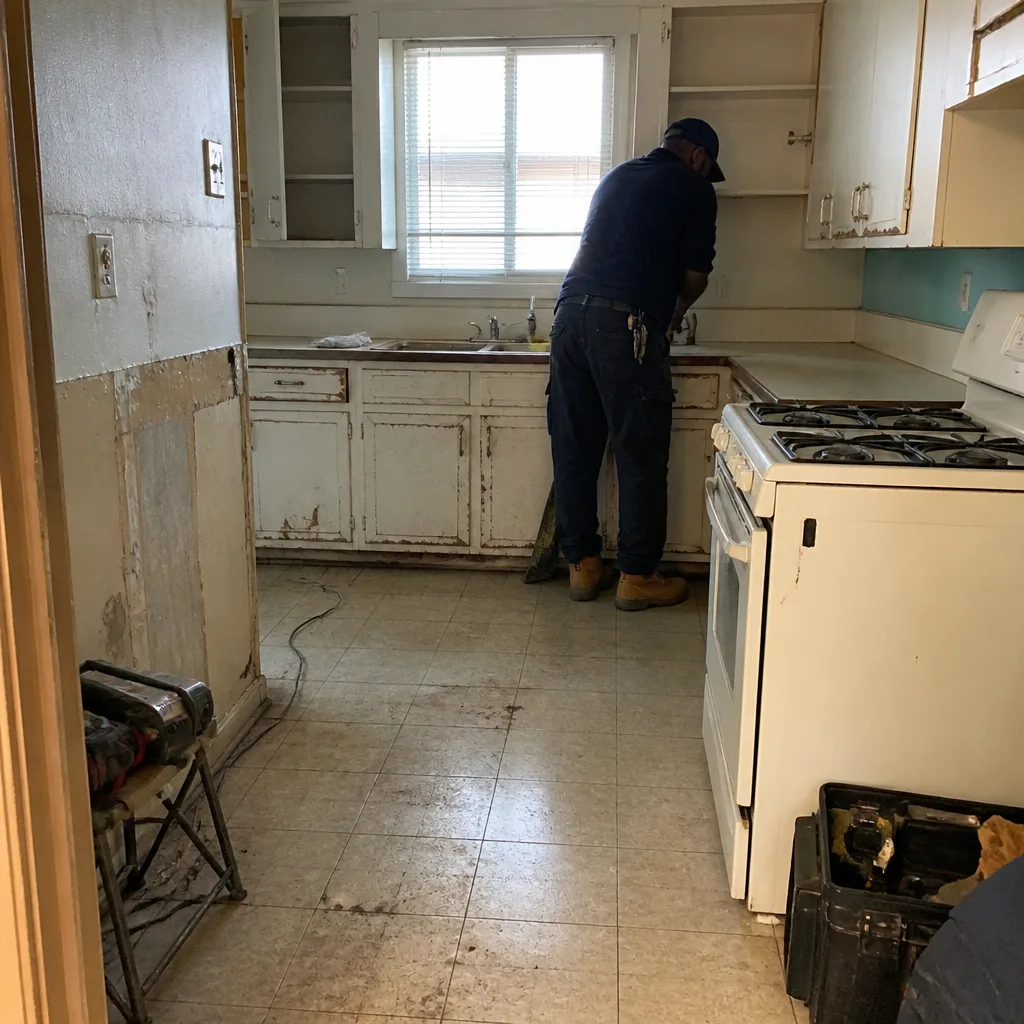 Before
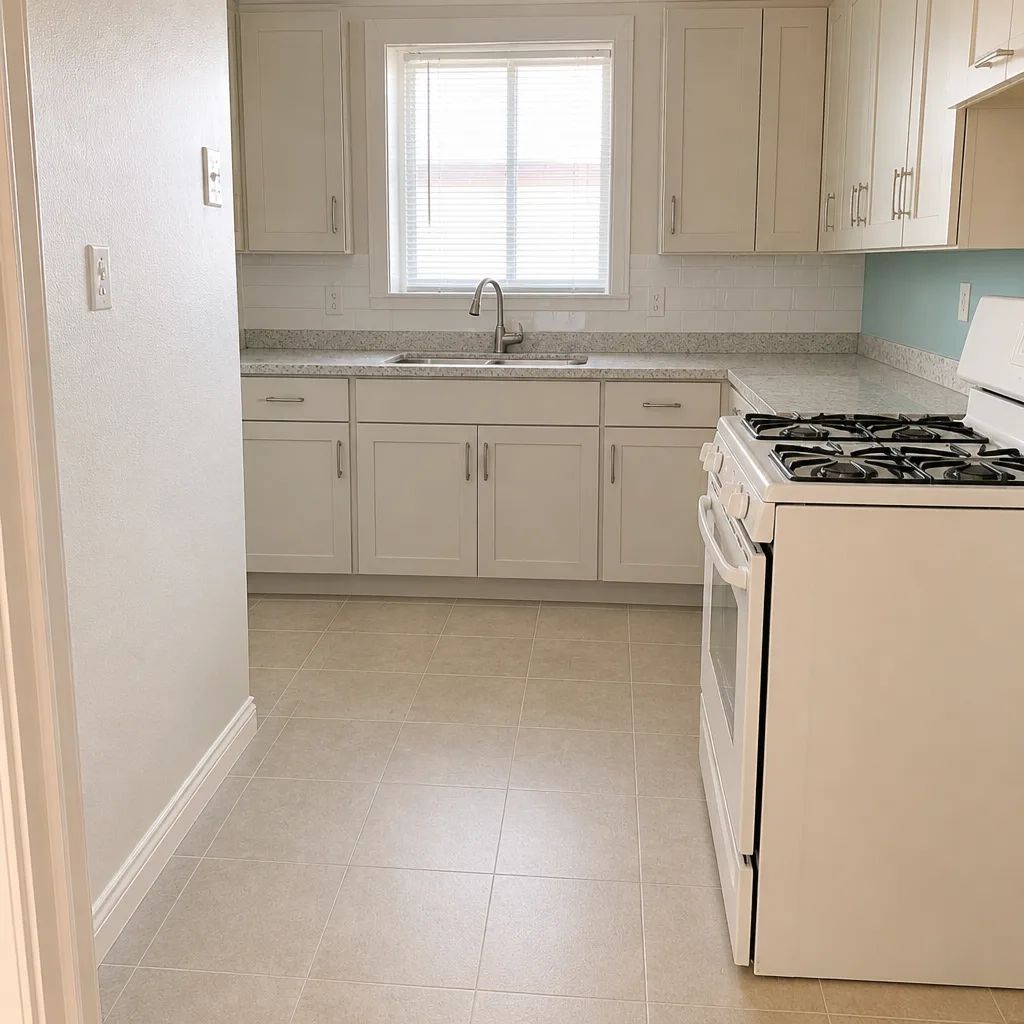 After
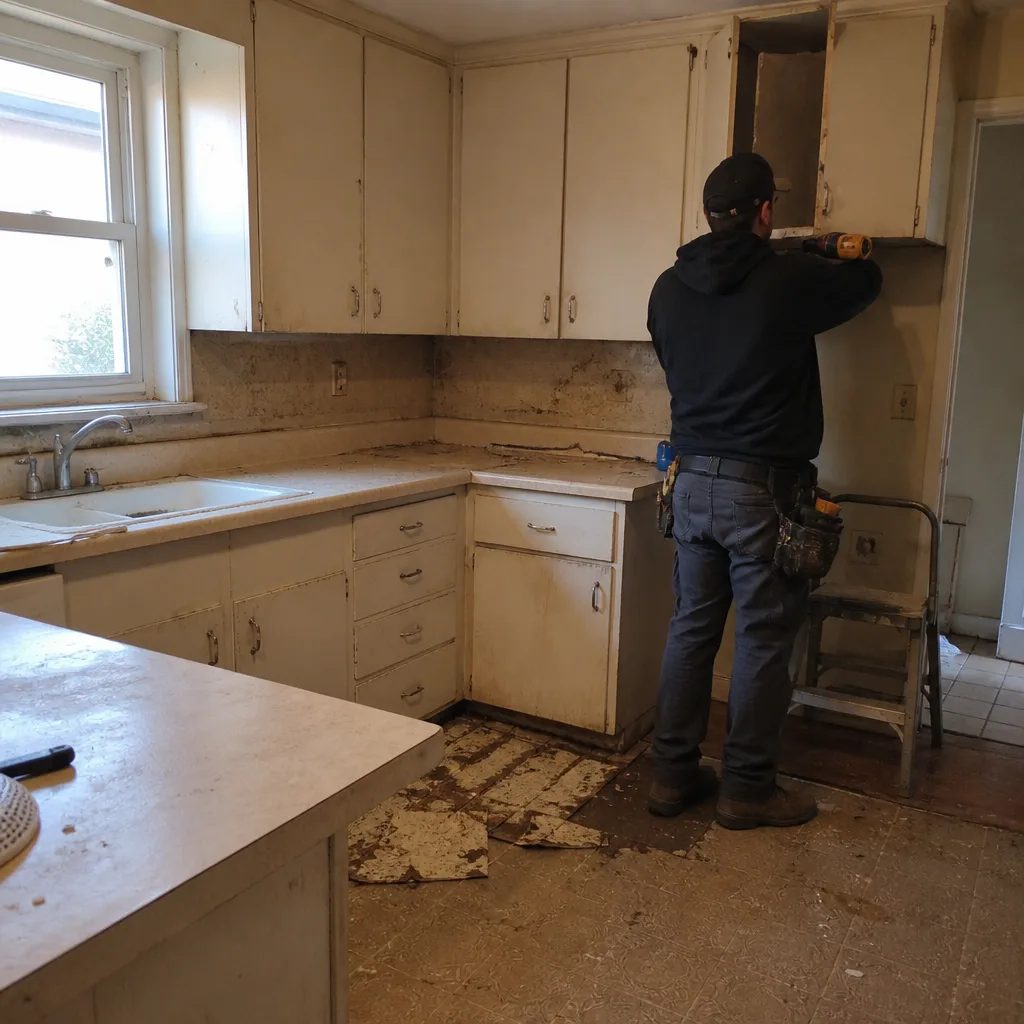 Before
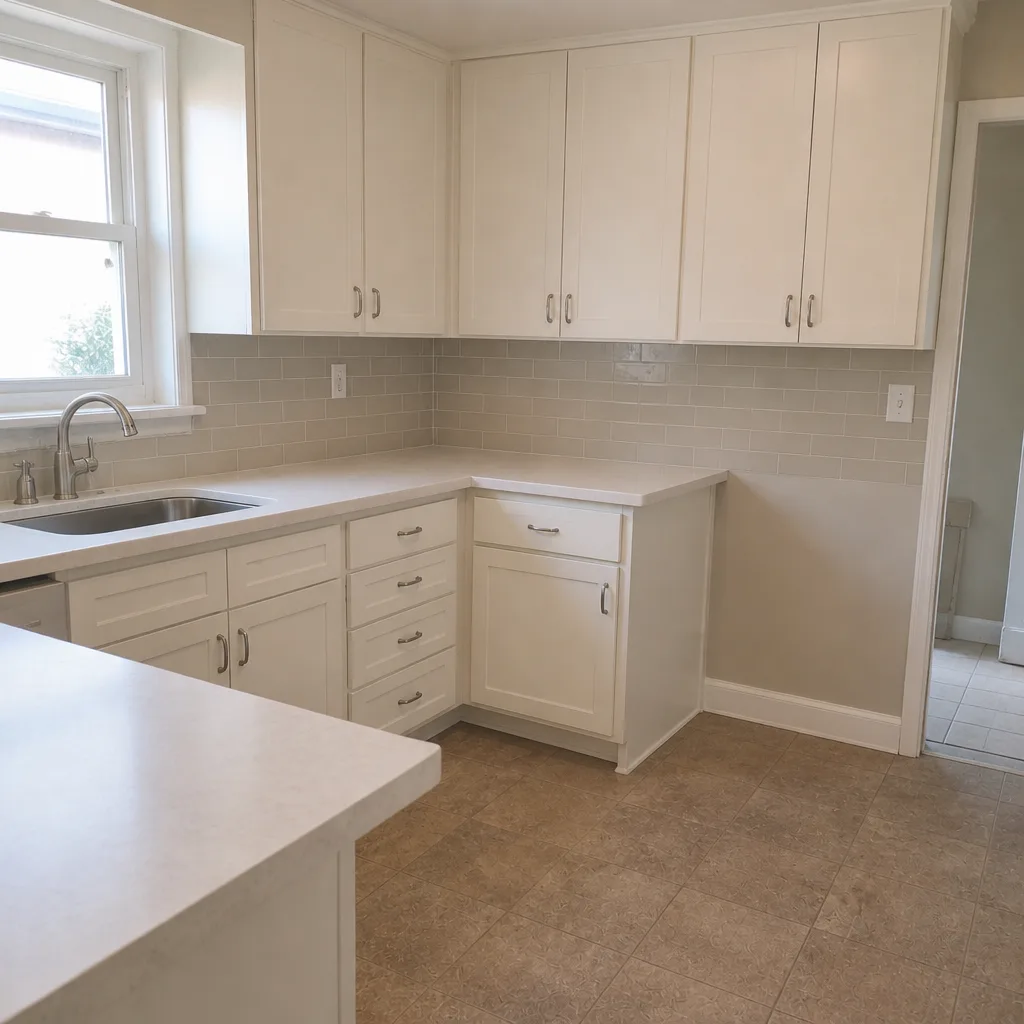 After
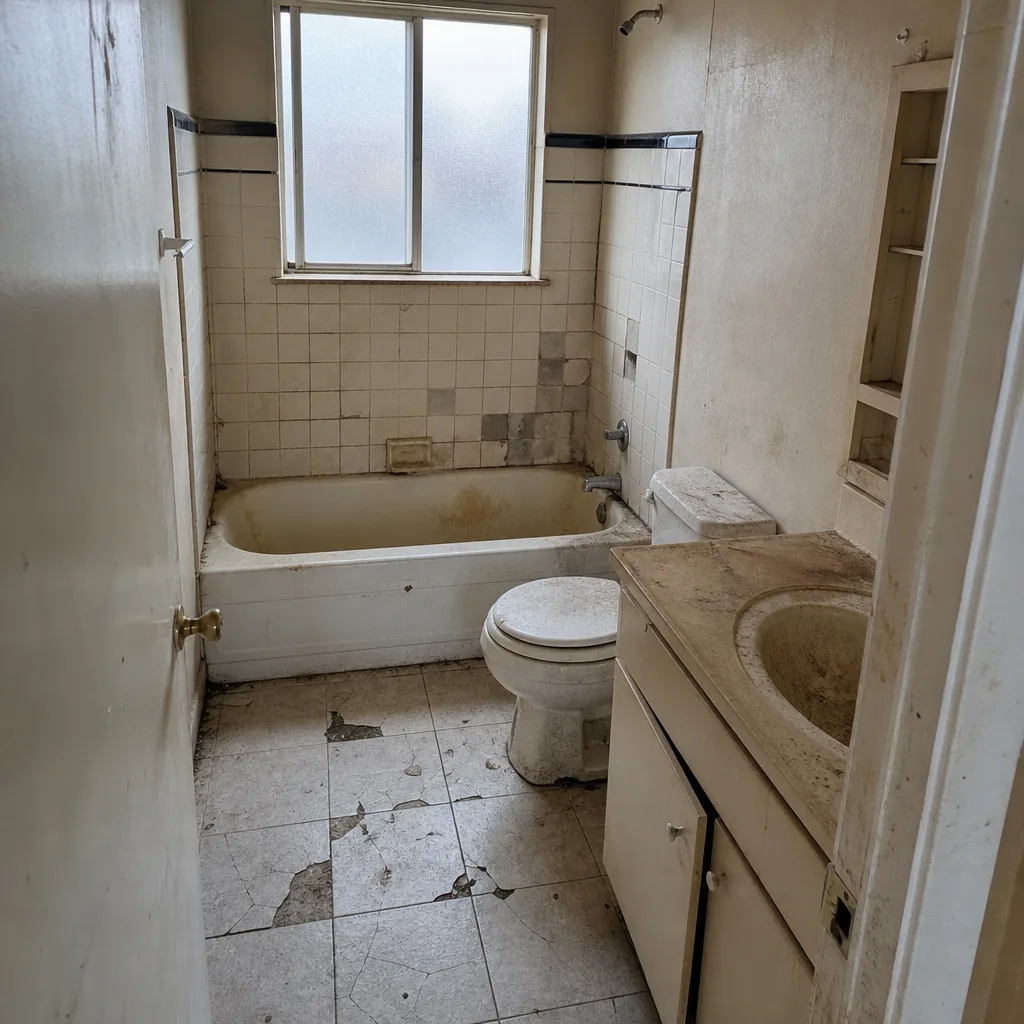 Before
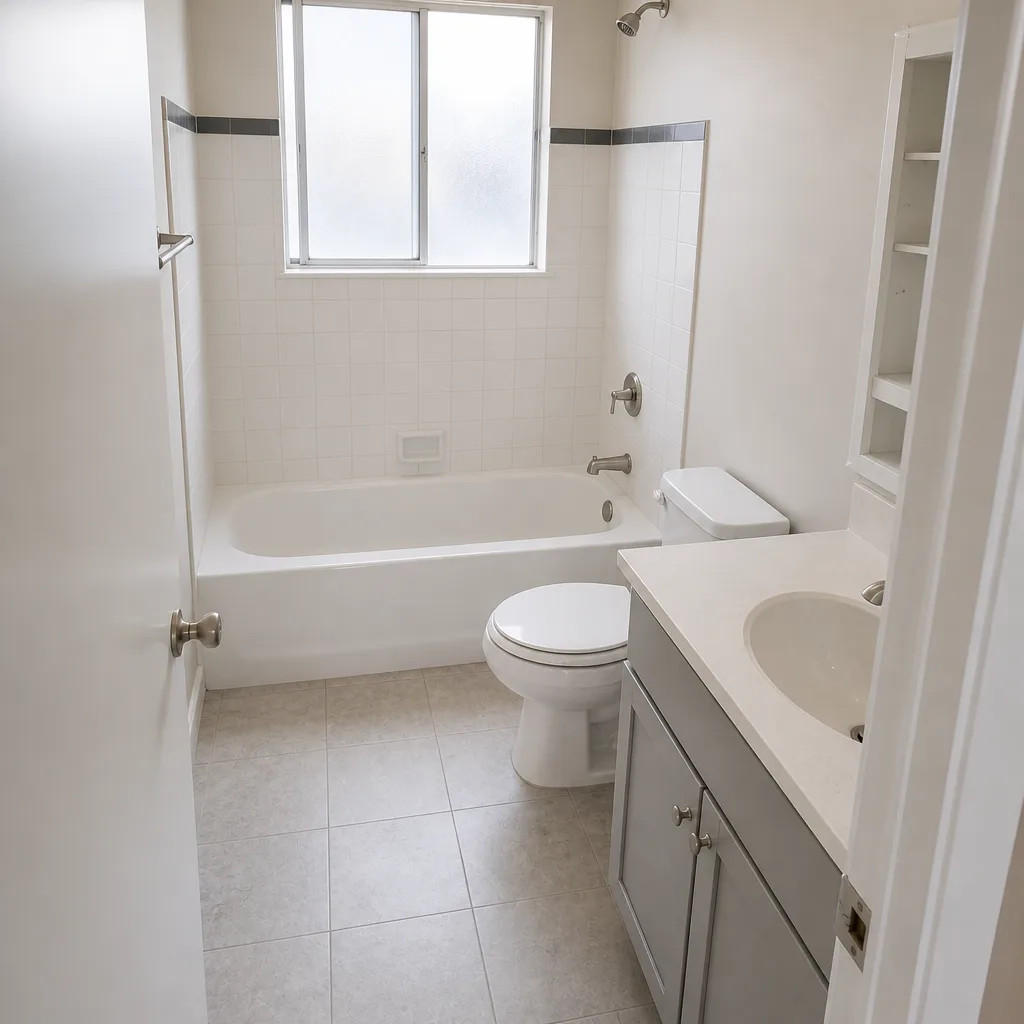 After
When to Call a Professional
Call a licensed professional the moment a project touches waterproofing membrane, shower drain assembly, or anything electrical – and call before you demo, not after. The other trigger is scope: if the bathroom is being relocated, a wall is moving, or a fixture is being added, that’s permit-and-drawings territory, and retrofitting it later is far costlier than starting correctly. Gas line work, panel upgrades, and anything that requires opening an exterior wall to fix a weather barrier also belong with the licensed trade. If you’re selling the home within the next few years, be especially conservative about unpermitted work – the disclosure calculus almost always favors doing it by the book. Bradford Remodeling Co Fairfield offers free estimates in Fairfield – call (833) 998-3242 to schedule one.
Frequently Asked Questions
Yes, on a home you own and occupy. California’s owner-builder exemption lets you pull the permit in your own name and perform the plumbing and electrical work yourself without holding a C-36 or C-10 license. The license requirement attaches to anyone you hire to do the work for pay, and to any property that isn’t your primary residence. Call (833) 998-3242 if you want an honest read on whether your scope sits inside the owner-builder line – the estimate is free.
Budget low four figures, usually. The legalization process typically involves as-built drawings, corrective work to current code, and permit fees that run higher than the original permit because of the added review. In our experience, retroactive permitting costs more than doing it correctly at the start, and selling with unpermitted work usually costs more than both. Call (833) 998-3242 for a written scope that keeps the permit clean from day one.
It is for cosmetic work – paint, regrout, fixtures, accessories, vanity install on pre-plumbed locations – where the effective savings are real. It’s not worth it for waterproofing, drain work, or electrical, because one failure erases the entire savings. In Fairfield, a single failed shower pan costs $4,000-$9,000 to remediate, which is more than the labor you saved. Call (833) 998-3242 to get a written price on the portion that should stay with the licensed trade.
Often, yes. Most Kohler, Moen, and major plumbing fixture warranties are conditioned on installation per manufacturer spec, and a DIY install that deviates from spec – even if it functions – can void coverage. The same applies to waterproofing membranes and cabinetry. If the warranty matters to you, have the installation done by a licensed crew and keep the documentation. Call (833) 998-3242 for a written estimate that specifies the install and the warranty.
Not for a straight like-for-like replacement on existing plumbing in the same location. A permit becomes required when the work moves a drain, adds a fixture, relocates a wall, or changes the electrical circuit. If you’re only swapping a toilet onto the existing flange, you’re in the clear. If you’re changing the location, call (833) 998-3242 before you buy the fixture – the free estimate will tell you whether the permit is in scope.
The documentation and the warranty. A professional scope puts the price in writing before work starts, specifies every material by brand, and carries a 365-Day Done Right Promise – if the work fails within twelve months, we return and correct it at no charge. DIY carries none of that. In Fairfield, we’ve seen the difference most clearly at resale, when the paper trail is worth more than the money saved. Call (833) 998-3242 for a free estimate and a written scope.
The Bottom Line
California gives homeowners real latitude to self-perform – and it’s worth using it where the work is cosmetic, visible, and recoverable if it goes wrong. Paint, regrout, fixtures, and a vanity swap on an existing rough-in are genuine DIY wins. Waterproofing membrane, shower drain assembly, and GFCI electrical placement are not, and no amount of weekend research makes them safe to self-perform. The permit question resolves the same way: pull it at the start, keep it clean, and understand that legalizing later always costs more than doing it correctly now. A professional scope and warranty shifts the failure risk for a full year, and in a Fairfield bathroom, that’s the line worth paying for.
If you want to know exactly where your project falls, call (833) 998-3242 for a free estimate. Bradford Remodeling Co Fairfield writes the price before work starts, installs documented brands, and stands behind the work for twelve months under the 365-Day Done Right Promise. Our team answers the phone live, around the clock – and we’ll tell you straight which parts of your bathroom are yours to take on and which parts should stay with the licensed trade.
Written by the team at Bradford Remodeling Co Fairfield.