Last updated November 17, 2026







Free written scope consultation - allowances, timeline, and change-order rules on paper before a single trade is scheduled
Home Remodeling Troubleshooting: Common Problems and How to Fix Them
A contractor who says “that’s not in scope” about a defect that clearly is in scope is betting you don’t have a written scope document detailed enough to prove otherwise. Most of the time, that bet pays off. Maybe 1 in 10 homeowners actually kept the line-item scope, the signed change orders, and the warranty page. The other nine are left arguing from memory against a contractor’s stack of paperwork. This guide is about closing that gap. You’ll learn how to sort a problem into one of three categories, how California law (specifically the Right to Repair Act, also called SB 800) gives you a formal path to a fix, and how to build a record that holds up in mediation, arbitration, or small claims. It’s written from Fairfield, where we see these disputes play out in Solano County courtrooms with some regularity.
Quick Answer
Most home remodeling problems get fixed only when you can (1) classify the defect as a workmanship failure, material failure, or design error, (2) prove which category it belongs to using photos, dates, and a written scope, and (3) send a documented notice of claim before the warranty clock or right-to-repair window expires. Call (833) 998-3242 for a free estimate if you’re starting a project and want a written scope that prevents this scenario in the first place.
Styles & brands we work with
- Kitchen remodeling
- Bathroom remodeling
- Home additions & ADU
- Roofing
- Windows & doors
- Driveway & pavers
- Fence
Table of Contents
- How do you diagnose a remodeling problem?
- Why the paper trail determines your leverage
- California’s Right to Repair Act (SB 800): what it covers
- How to document defects properly
- Contract clauses that make or break your case
- CSLB complaint, civil remedy, or surety bond claim?
- Common mistakes to avoid
- When to call a professional
How do you diagnose a remodeling problem?
Before you call anyone, sort the problem into one of three categories. Every remedy path below depends on which one you’re in, and the responsible party changes with each.
- Workmanship defect. The materials are fine; the installation failed. A tile that pops loose because the substrate wasn’t properly prepped. A cabinet door that sags within six months because the hinge screws missed the stud. A shower that leaks because the pan wasn’t sloped correctly. The contractor is responsible.
- Materials failure. The installation is sound but the product itself failed. A Kohler faucet cartridge that seizes inside a year. A GAF shingle that blisters in heat. The manufacturer’s warranty is the remedy; the contractor’s job is to facilitate the claim.
- Design error. Both the materials and installation are correct, but the design was wrong for the use. A kitchen island that blocked the required 42-inch clearance to the range. A bathroom with no ventilation in a Fairfield house where summer humidity climbs. The designer or the contract-drawing author bears the responsibility.
Get this classification wrong and you’ll aim your complaint at the wrong party. That’s usually enough to lose 30 to 60 days before you’ve even started. Write one paragraph describing what failed, when it first appeared, and what you observed. Don’t editorialize. Don’t accuse. Just facts on paper. That paragraph becomes the foundation of every letter that follows.
If you’re early in a project and want a written scope that anticipates these issues before they happen, our General Contractor in Fairfield page lays out what a properly documented scope contains.
Why the paper trail determines your leverage
In our experience with remodels across Fairfield, the difference between a homeowner who gets a fix inside 30 days and one who doesn’t is almost always documentation, not merit. The contractor with the stronger paper wins even when the defect is obvious. Here’s what a properly built record looks like:
- The signed scope of work. Line-item, in plain English, with materials and model numbers specified. “Install KraftMaid cabinetry” is useless. “Install KraftMaid Shaker-style base cabinets, model XYZ, per attached drawing” is what you want.
- Every change order, signed by both parties. Verbal changes are essentially unenforceable. If the contractor asked for a change and you said yes on the phone, it doesn’t exist unless it’s written and signed.
- The warranty terms, in writing. Labor warranty and product warranty are two different documents. You want both in hand at close, not at the moment of a problem.
- Payment records. Bank draws, checks, credit card stubs. Every dollar traced. This matters for a mechanic’s lien defense.
- Photographs with a date stamp. Wide shot, mid shot, close-up. Three angles per defect. The date stamp is what makes them admissible.
If you don’t have these, you can still build a record starting now. Email the contractor with a written summary of what you agreed to on the phone and ask them to confirm. Their reply (or their silence) is itself a document.
California’s Right to Repair Act (SB 800): what it covers
SB 800, codified at California Civil Code sections 895 through 945.5, sets construction standards for new residential units sold after January 1, 2003. It covers single-family homes, condos, and attached units, and it establishes a formal pre-litigation process homeowners must follow before suing over construction defects. This is the section that surprises people the most, so read carefully.
What SB 800 covers:
- Water intrusion through roofs, walls, windows, and foundations
- Structural failures (load-bearing walls, foundations, framing)
- Plumbing and sewer system failures
- Electrical system defects
- Fire protection and safety systems
- Certain soils and site issues
What it does not cover: routine maintenance, damage from misuse, and work performed without a permit where the owner knew. Remodels on an existing home fall under SB 800 only in specific cases; the more common path for a remodel defect is a straight breach-of-contract claim plus a CSLB complaint. If you’re unsure which applies to your Fairfield project, the notice process below is a safe first move either way.
How to send a notice of claim under SB 800:
- Write a written notice of claim identifying each defect and its location. Mail it certified with return receipt.
- The builder has 14 days to acknowledge receipt and 30 days from acknowledgment to inspect.
- The builder then must offer to repair, offer a cash settlement, or both, within set timeframes.
- If you accept the repair offer, the builder must complete it within set timeframes; if you decline, you can proceed to mediation and then to court.
The notice formally starts the statutory clock. Without it, your subsequent lawsuit can be dismissed, and you’ll have burned a year. Send it even when you think you’ll negotiate informally.
How to document defects properly
Documentation that supports mediation, arbitration, or small claims follows a specific shape. Get it right the first time and you avoid the “she said, he said” that sinks most homeowner complaints.
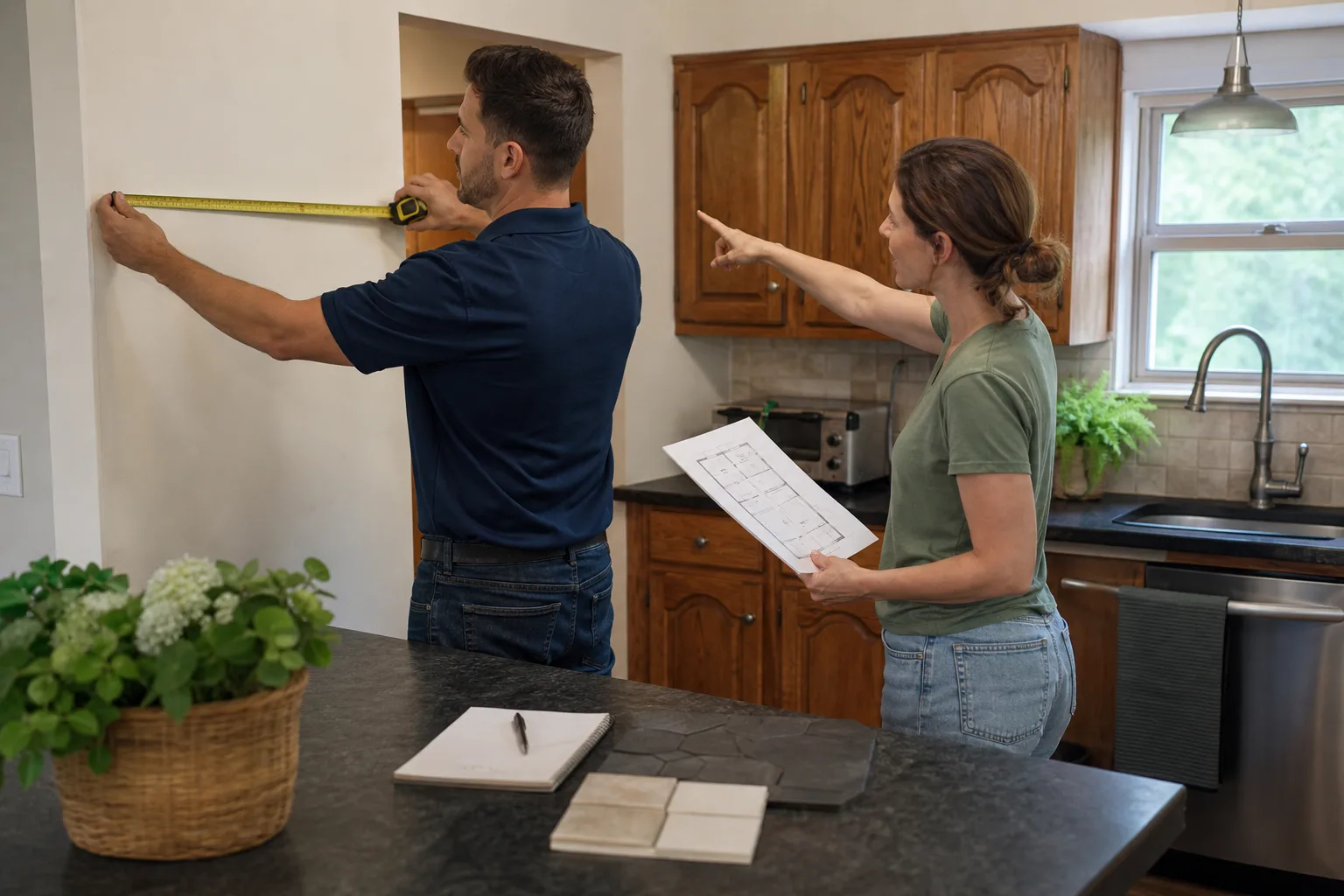
- Photograph the defect with an object for scale. A coin, a ruler, or a tape measure visible in the frame. A photo of “a gap” is meaningless. A photo of a 3/16-inch gap with a tape measure against it is evidence.
- Write a numbered description for each defect. Location, first noticed date, what you observed, what function is affected. Short sentences. Present tense for current state.
- Have a third party assess it if the defect is significant. A licensed contractor, structural engineer, or home inspector who is not related to either party. Their written report carries weight.
- Preserve the failed component. If a piece of tile popped, keep it. If a cabinet door is separating, put it in the garage. Don’t discard evidence, even if it’s tempting.
- Build a timeline. One document, chronological, with dates for every communication, inspection, and payment. This becomes the exhibit your attorney or arbitrator refers to constantly.
- Keep all texts and emails in original form. Screenshots are secondary. The raw message thread is the exhibit. Don’t delete, don’t edit, don’t summarize.
If the issue is a bathroom, our Bathroom Remodeling in Fairfield page contains reference specs you can compare a defective install against. Same for Kitchen Remodeling in Fairfield for cabinetry and surface defects.
Contract clauses that make or break your case
Three clauses decide most remodeling disputes before the first witness is called. Read yours before you do anything else.
- Dispute resolution. Does your contract require binding arbitration? If yes, you’ve likely waived your right to a jury trial and possibly to small claims. That’s not fatal, but it changes the cost and the pace. Arbitration is faster; it’s also less forgiving of missing documents.
- Warranty terms. What does the contractor’s warranty actually cover? Workmanship only, or workmanship plus materials? For how many months? Does it require you to notify in writing within a set window? The best warranties are explicit; a blank stare and “we stand behind our work” is not a warranty, it’s a slogan.
- Change order documentation. Is a change order required to be in writing? Signed by both parties? Are time extensions and cost adjustments addressed? If the clause is vague, expect disputes over every mid-project tweak.
Bradford operates under The Garrison Standard, which requires a written price before any work starts, every time, and backs every completed project with the 365-Day Done Right Promise. If the work fails inside that year, we come back and correct it at no charge, in writing, backed by a signed guarantee handed to you at close. If you’d like to see what a scope and warranty document organized around the Garrison Code actually looks like, the Bradford Remodeling Co Fairfield home page has reference samples.
CSLB complaint, civil remedy, or surety bond claim?
These are three different tools that deliver three different outcomes. Use the wrong one and you burn time.
- CSLB complaint. A complaint to the Contractors State License Board triggers an investigation, but it does not directly order a repair. If the contractor is found in violation, CSLB can suspend or revoke the license and refer you to the arbitration program for smaller claims. It’s the right move if the contractor ignores your written notice after a reasonable deadline. It’s not a fast path to a fix.
- Civil remedy. A demand letter followed by small claims (up to $12,500 for individuals in California) or a civil complaint. This is the remedy that can produce a monetary judgment. It’s slow, it costs filing fees, and you need your documentation tight. Small claims is by far the most accessible path for Fairfield homeowners dealing with a defect in the low five figures.
- Surety bond claim. Every CSLB-licensed contractor must carry a bond (the amount is set by the state and can change; check the CSLB website for the current figure). A bond claim can pay you if the contractor fails to perform and you’ve won a judgment they won’t satisfy. It’s an insurance backstop, not a first move. Think of it as the last resort after every other path has been exhausted.
The practical sequence: written notice to the contractor, wait the response window, then CSLB complaint and small claims in parallel if the contractor doesn’t act. Keep the bond claim in reserve.
Common Mistakes to Avoid
- Starting work without a written scope. In Fairfield, we see this most often on quick bathroom refreshes that became full gut jobs. The scope that changed three times verbally never has a home on paper.
- Paying in cash without a receipt. A cash payment with no written receipt is nearly impossible to prove. Every draw needs a dated record.
- Signing a change order under pressure. If a contractor says the price goes up today or the project stalls, you can say no. Time pressure is not a legal reason to sign.
- Discarding the failed material. That popped tile and the blistering shingle are your exhibit A. Never throw them out, even if the contractor asks you to.
- Waiting past the warranty window. A one-year labor warranty doesn’t pause because you were traveling or busy. Calendar the deadline and send written notice inside it.
- Accepting a verbal promise to fix it. “I’ll get someone out there next week” is not a commitment you can enforce. Put the promise in an email and ask them to confirm in writing.
- Skipping the SB 800 notice. Homeowners often skip it thinking they’ll sue directly. That can get the case dismissed and cost a full year. Send the notice first.
When to Call a Professional
Some remodeling problems are triage decisions. If you’re seeing water staining around windows after a Fairfield rain, electrical fixtures that warm up or trip breakers repeatedly, a gas smell near a range or water heater, or structural cracks in a load-bearing wall, those go to a licensed professional immediately. Electrical, gas, and structural are not DIY territory. Get them looked at by a licensed electrician, plumber, or structural engineer before you touch them.
Less urgent but still worth a professional call: popping tile, failing cabinet hinges, cabinet doors that no longer close flush, surface cracks in countertop seams, and doors that never fit right after installation. These fall under warranty or insurance territory and a professional assessment costs less than the long-term damage from waiting. Bradford Remodeling Co Fairfield offers free estimates in Fairfield – call (833) 998-3242. Our technicians have up to 22 years of experience and a written price is always in your hand before any work starts.
See the difference
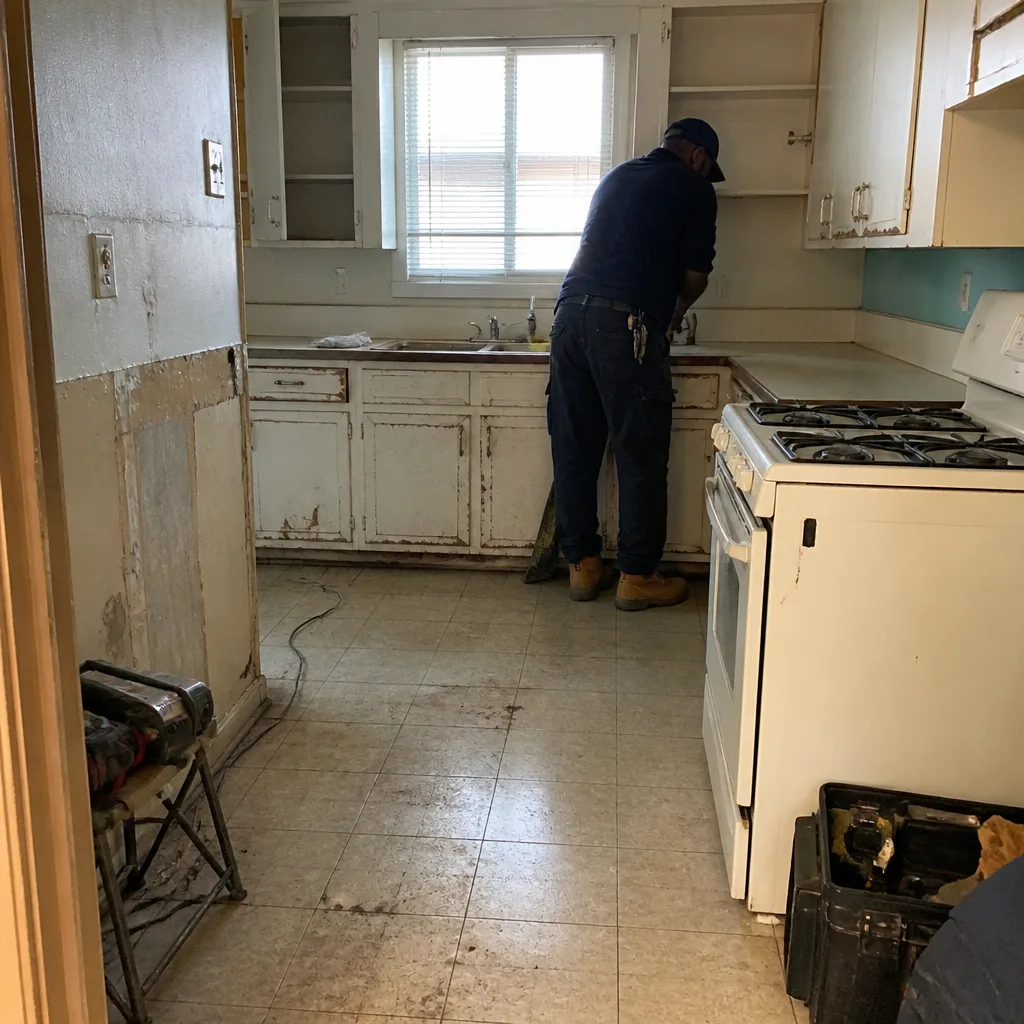 Before
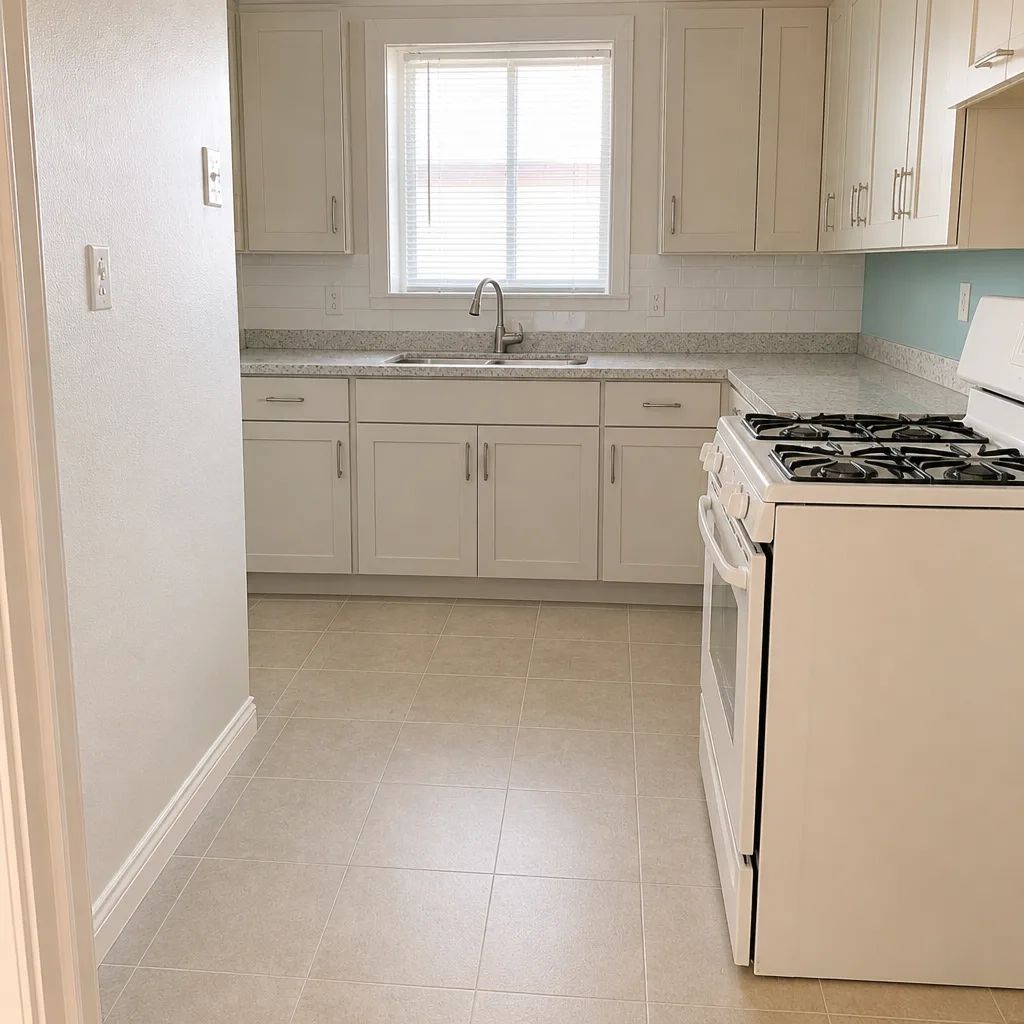 After
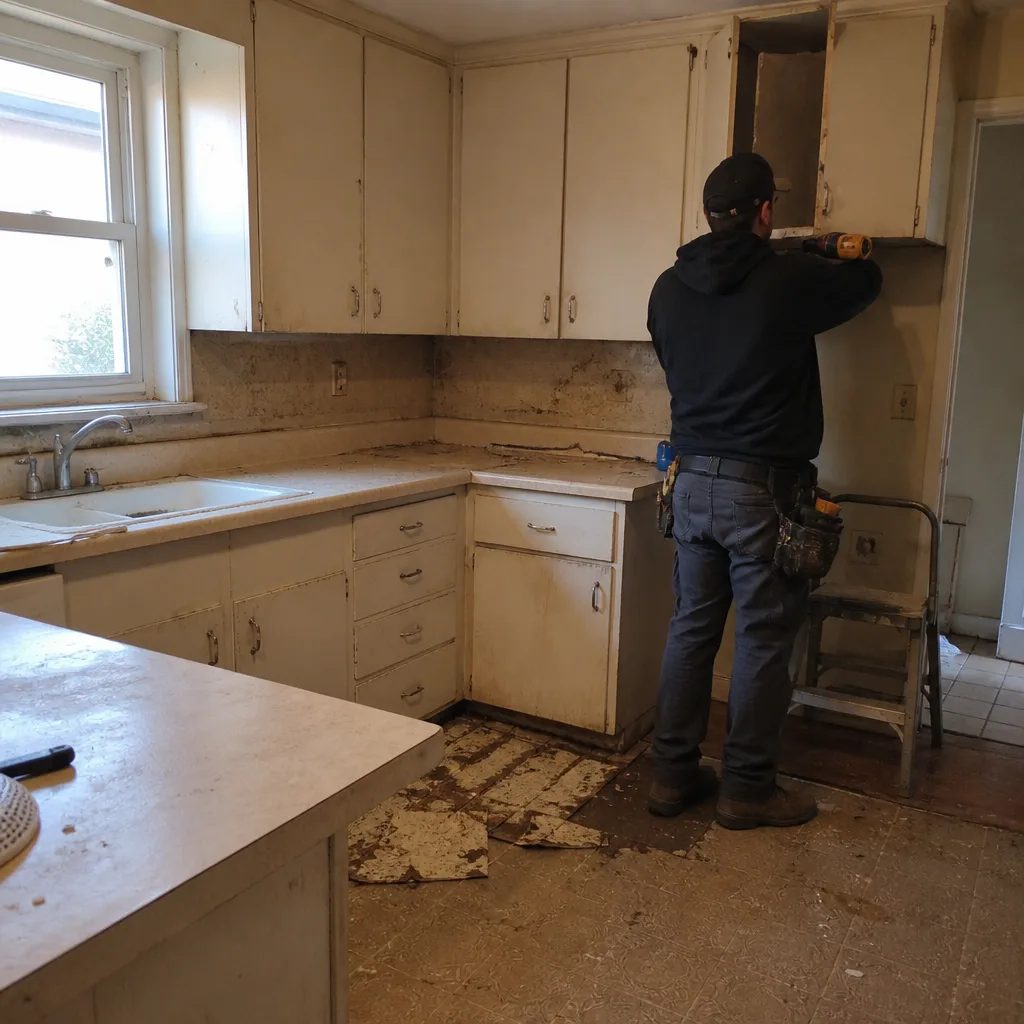 Before
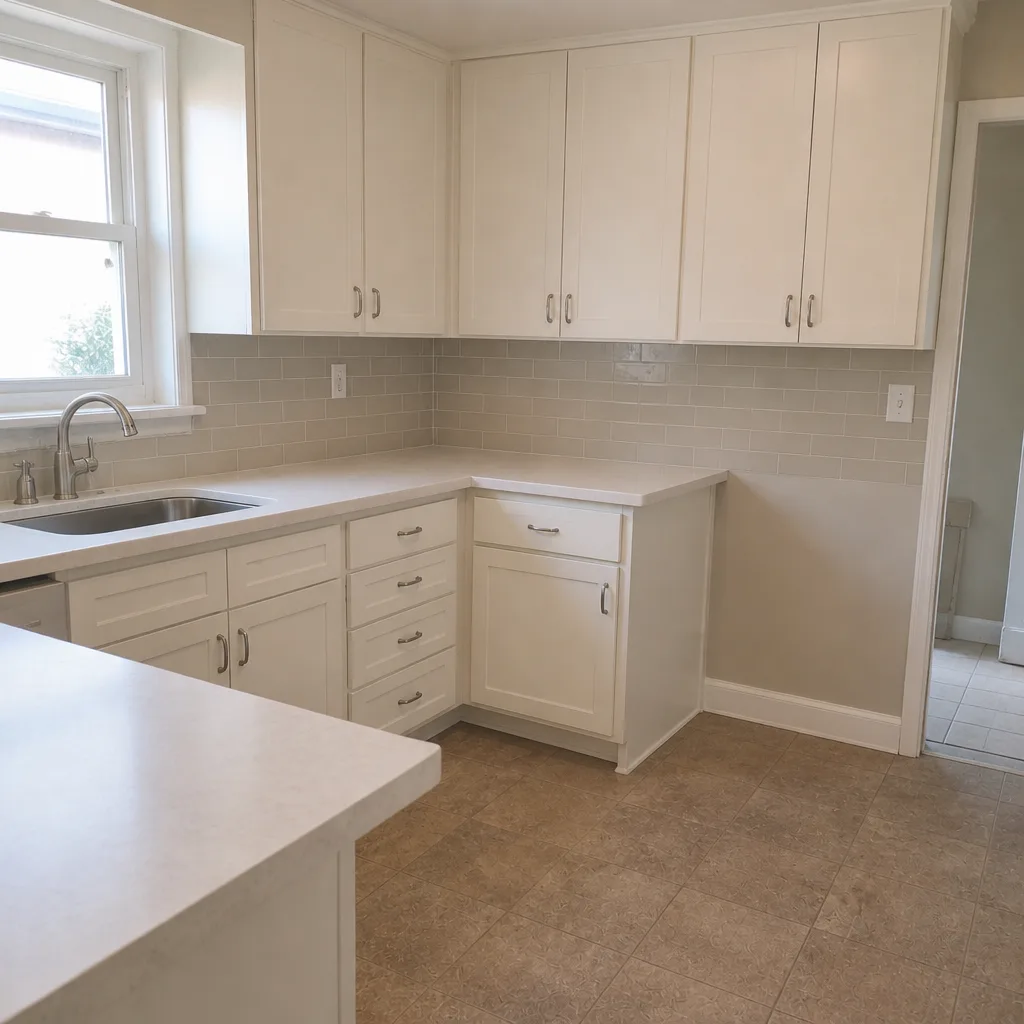 After
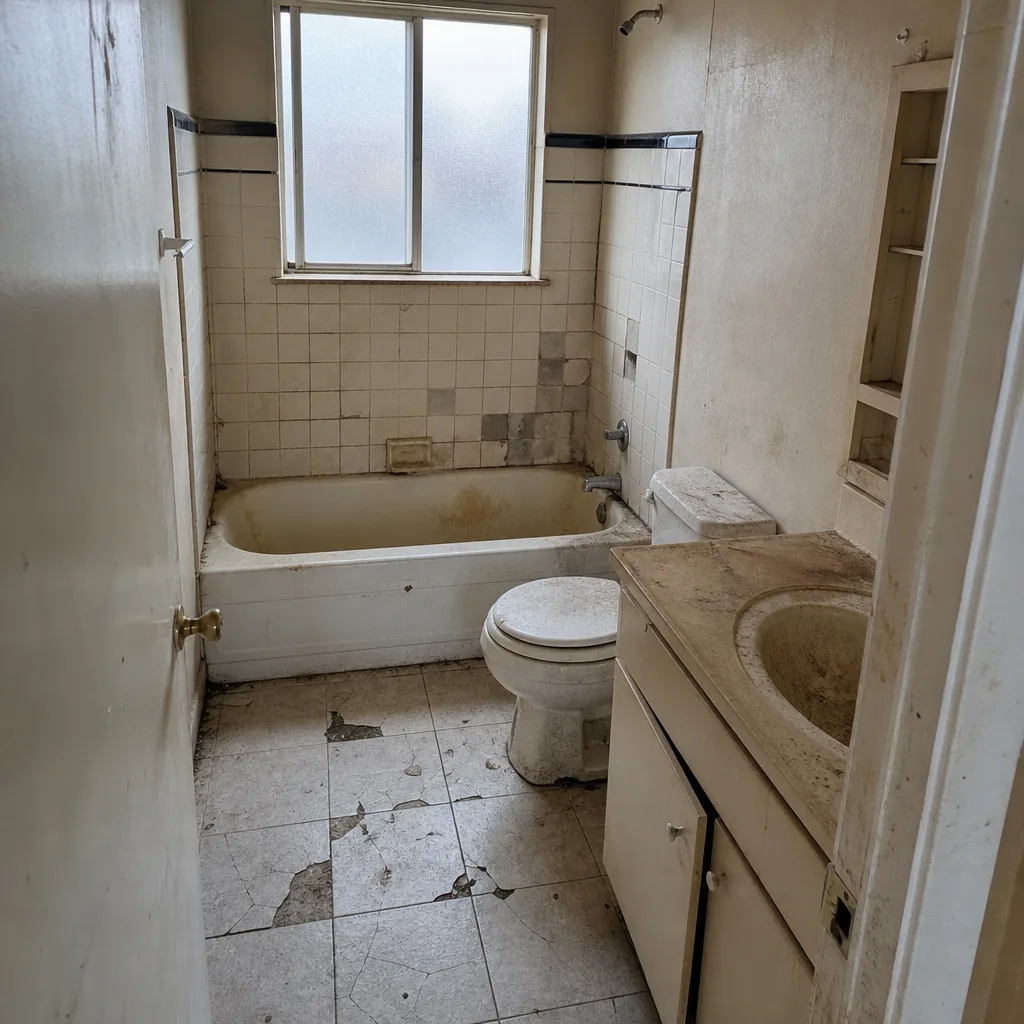 Before
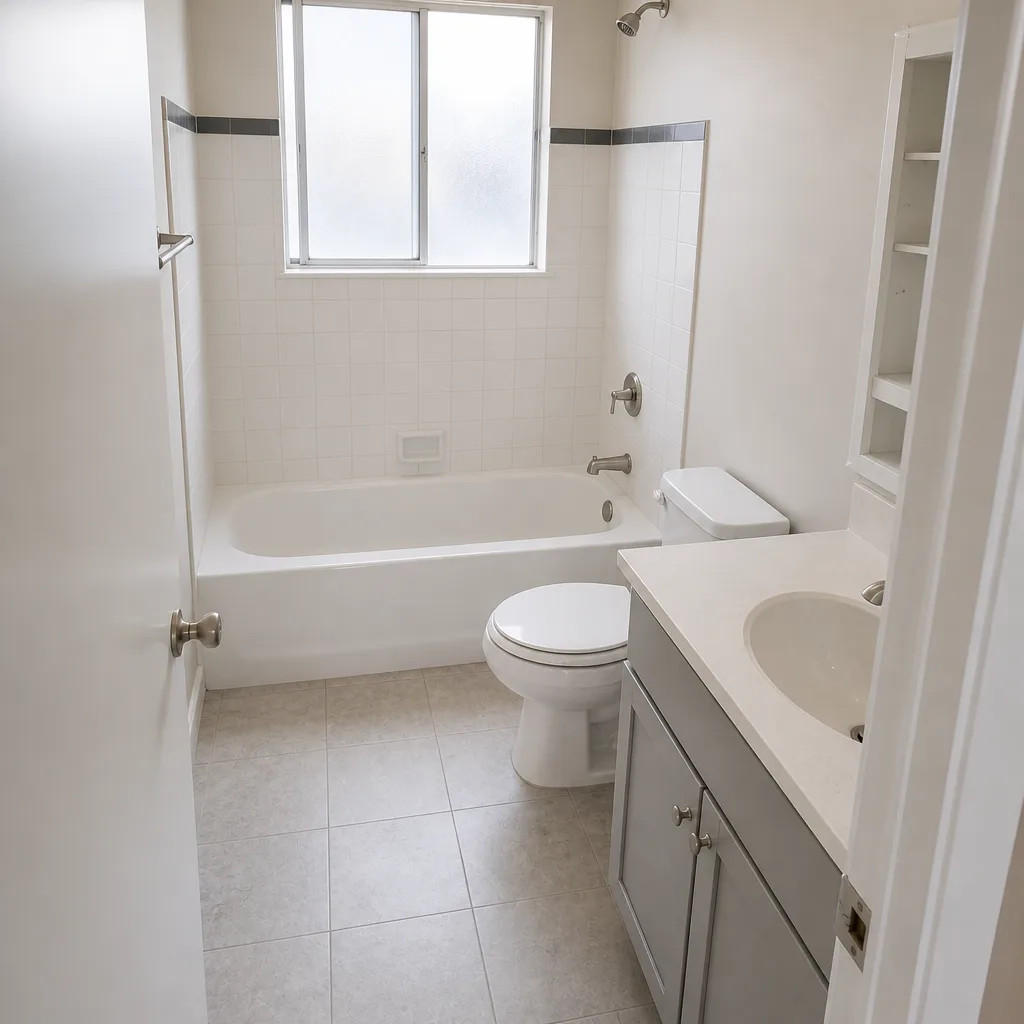 After
Frequently Asked Questions

A single-defect repair typically runs $400 to $1,800 in Fairfield, and full re-do of a bathroom’s failing pieces often lands between $3,000 and $9,000 depending on what has to come out before it can go back correctly. The cost depends entirely on which category the defect falls in: workmanship redo is generally the smaller number; materials replacement climbs the higher bracket; design errors that require re-framing or re-routing plumbing go higher still. Call (833) 998-3242 for an exact quote – estimates are free.
Not on a properly documented job. A written price before work starts, with a line-item scope, means the number doesn’t move at the door. The only way the price changes is through a signed change order that both parties agree to in advance. If a contractor shows up and says the original number was too low, that’s a documentation failure on their side, not yours.
Yes. Fairfield requires permits for kitchens, bathrooms, structural work, and any change to electrical, plumbing, or gas, and the permitting and inspection process takes time. Permits are part of the written scope we provide before work starts, and inspection records become part of the project documentation at close. Skipping the permit is one of the fastest ways to lose a warranty claim, because the contractor can argue the unpermitted work voided their obligation.
Every completed Bradford project carries a full-year written guarantee. If the work fails inside that window, we come back and correct it at no charge. The guarantee period is 365 days from project close, and it covers workmanship failures; materials failures route through the manufacturer’s warranty, which we help you file. The signed guarantee is in your hand at close, not in an email you have to remember to open.
Most single-defect repairs take one to three days once the diagnosis is confirmed. More involved redoes (a full shower pan redo, cabinet replacement, subfloor restoration) run a week to three weeks depending on material lead times. Fairfield’s permitting timeline can add days if the repair requires a new inspection. Get the diagnosis and the written scope in hand before you commit to a repair schedule.
Yes, if the defect falls under SB 800 standards or you anticipate litigation. The written notice of claim starts the statutory clock and preserves your rights; skipping it can get a subsequent lawsuit dismissed. Send it certified mail, return receipt requested, and keep a copy for your file. For a remodel that isn’t strictly SB 800 territory, a demand letter plus a documented timeline serves the same function for a small claims filing.
The Bottom Line
Remodeling problems almost always trace back to what was or wasn’t in the original written contract. Workmanship defects go to the contractor, material failures go to the manufacturer, and design errors route to whoever wrote the drawing. Your leverage comes from documentation: photos with scale, a numbered defect list, a written scope, and signed change orders. California’s SB 800 process gives you a formal path for notice; the CSLB, small claims, and the surety bond are escalation tools, not first moves. Start every project with a written price and a signed warranty in hand, and most of these problems stop being disputes.
Written by the team at Bradford Remodeling Co Fairfield.
Ready to start a project with a written scope, a fixed price, and a signed guarantee at close? Call Bradford Remodeling Co Fairfield at (833) 998-3242 for a free estimate. Live person answers, every time.