Last updated November 17, 2026








Free written scope consultation - allowances, timeline, and change-order rules on paper before a single trade is scheduled
Home Remodeling Maintenance Schedule: What to Do and When
The number-one reason a remodeling warranty goes void isn’t contractor fraud. It’s a homeowner who missed a caulk inspection for two straight years and let water do the rest. In Fairfield, that water usually shows up as a soft spot behind a shower surround or a swollen stretch of exterior trim, and by the time you see it, the fix is no longer maintenance. This guide gives you a schedule built around your remodel’s finish date and Fairfield’s actual weather, not a generic “check annually” list. You’ll learn what fails first here, what’s at 30 days, 6 months, 1 year, and 3 years, and what to self-perform versus hand to a licensed trade.
Quick Answer
You should inspect the work that was done on your home at 30 days, 6 months, 1 year, and 3 years after the job closes, with quick walkthroughs each spring and fall. In Fairfield, the highest-value check is exterior caulk and paint at the end of the wet season every February or March, because that’s when the rain has finished testing the seals and you have dry weather to fix them. Everything that touches water, wood, or grout deserves a written record and a photo.
Styles & brands we work with
- Kitchen remodeling
- Bathroom remodeling
- Home additions & ADU
- Roofing
- Windows & doors
- Driveway & pavers
- Fence
Table of Contents
- Why Fairfield’s Climate Changes the Schedule
- The Finish-Date Schedule: 30 Days, 6 Months, 1 Year, 3 Years
- What Preserves Warranty Coverage vs. What’s Cosmetic
- What Fails First in Fairfield
- Self-Perform vs. Licensed Trade: Why the Line Matters
- How to Document Inspections So They Hold Up
- The Seasonal Walkthrough Calendar
Why Fairfield’s Climate Changes the Schedule
Fairfield sits in a climate most national maintenance guides don’t account for. Our summers push into triple digits, our winters are mild and wet rather than freezing, and the middle seasons swing fast. That combination puts exterior finishes through more expansion-contraction cycles than a colder climate with a longer, steadier freeze. Wood trim and caulk joints move and stretch, relax, then move again. Grout in a shower or kitchen backsplash takes the same beating on the inside of the house, just slower.
What that means in practice is that a Fairfield homeowner can’t follow an “inspect once a year” schedule and expect the same lifespan as someone in a dry, stable climate. The wet season is our stress test. By February or March, the rain has been pushing against every seal on the exterior of the house for months. If the caulk line on a window frame or the paint on a fascia board has given up, that’s the window you’ll see it. Fix it in dry weather and you’ve bought yourself another cycle. Wait until next winter and you’ve bought a repair instead of maintenance.
We’ve also seen a Fairfield-specific failure pattern on the interior side. Homes that get a lot of afternoon sun on the west or south wall push more heat through the wall assembly, and that concentrated heat cycling is hard on painted trim and on the caulk line where a new window or door meets the wall. That seal is one of the first places we tell homeowners to look after a remodel. If you’ve had windows or doors replaced as part of an exterior project, check those joints before you check anything else. A few of the window lines we install, including CWS and ES Windows, carry their own manufacturer maintenance guidance, and it’s worth keeping that paperwork in the same folder as your warranty.
None of this is about being overly careful. It’s about matching the schedule to the weather you actually live in. A maintenance calendar copied from a national site, built around hard freezes and long winters, will miss the two things that matter most here: the wet-season seal check and the summer heat cycle on any exterior finish.
The Finish-Date Schedule: 30 Days, 6 Months, 1 Year, 3 Years
Every remodel has a finish date – the day the job officially closes and you signed off on the completed scope. That date becomes the anchor for the entire maintenance schedule. The reason is simple: warranty periods, material cure times, and settlement all run from that date, not from the day you moved back into the kitchen. Here’s the schedule we hand homeowners at close, and it’s the same one our technicians use when they do a return visit under the 365-Day Done Right Promise.
- 30 days after close. Re-check every caulk line and grout joint. New caulk shrinks slightly as it cures, and a hairline gap that didn’t exist at sign-off can open in the first month. Test that all doors and windows open and close smoothly. Confirm cabinet doors and drawers are still aligned. Note anything that’s changed and photograph it.
- 6 months after close. This lands mid-winter in Fairfield for a fall-finished project, so it’s your first wet-season test. Walk the exterior caulk, paint, and trim for water staining or softness. Check the shower and tub surrounds for failed grout or a spongy feel behind the tile. Look at any new exterior door for daylight at the weatherstripping.
- 1 year after close. The full cycle: exterior, interior, plumbing fixtures, and hardscape. This is the same window most written guarantees cover, so a full inspection at the one-year mark gives you time to flag any failure while the work is still in writing. The 365-Day Done Right Promise means if the work fails inside that first year, we return and correct it at no charge. That’s why a real walkthrough at this milestone matters.
- 3 years after close. The two biggest items are exterior paint and grout. By year three, sun and weather have done enough that a touch-up is reasonable, even on quality paint. This is also when you’d expect to reseal natural stone countertops if you have them, and when you’d budget for a re-caulk of the shower if you’ve never gotten to it.
What’s most important is that you actually do the walkthrough. The finish-date schedule beats a “sometime this year” plan because the milestones line up with when things are most likely to show a problem, and when a warranty still has teeth.
What Preserves Warranty Coverage vs. What’s Cosmetic
Most homeowners assume a warranty either holds or it doesn’t. The truth is that a maintenance record does more to protect coverage than most anything else – and the tasks separate cleanly into two buckets: those a warranty depends on, and those that just make the house look better. Knowing the difference keeps you from spending time on the wrong things.
Tasks a warranty depends on:
- Keeping water out of the assembly, including regular checks of exterior caulk, window and door seals, and the trim that carries them.
- Following the manufacturer’s maintenance guidance for any product they warrant, including things like GAF or CertainTeed roofing accessories, James Hardie siding, or Therma-Tru doors. Manufacturer warranties are generally conditioned on following care instructions.
- Addressing a reported failure inside the guarantee window rather than letting it sit. The 365-Day Done Right Promise is a full-year written guarantee, and calling us within that window is how it works.
- Not voiding it with unapproved changes. If you cut into a card-covered substrate, relocate a rough-in, or paint over a finish that’s supposed to be left bare, you’ve moved the work outside what was documented.
Tasks that are cosmetic and optional:
- Repainting interior walls for style rather than repair.
- Resealing granite or quartz surfaces ahead of schedule.
- Re-staining a deck you’d like to keep a specific tone.
- Replacing a cabinet’s soft-close dampers because you prefer a firmer feel.
The takeaway is don’t skip the first list. If you do only one thing, walk the exterior seals each spring. That single routine does more to keep a warranty intact than a dozen cosmetic touch-ups.
What Fails First in Fairfield
After enough return visits around Fairfield – along the Travis Boulevard corridor, the older homes near downtown, and the newer subdivisions out toward Cordelia – a pattern shows up. These are the things that fail first, in roughly this order.
- Exterior caulk on windows and doors. This is the first joint the rain tests and the last one most people remember to check. In Fairfield’s wet-season cycle, a neglected caulk line is the most common path to water in a wall.
- Grout in shower and tub surrounds. That a shower surround takes water on one side of the tile and heat on the other is the whole problem. In Fairfield’s warm, sun-exposed bathrooms, grout joints can press and crack in a single winter.
- Painted exterior trim. Our summers push paint through more heat cycling than the same paint would see in a cooler metro. Trim at the sun-facing corners is typically the first place to check.
- Exterior door weatherstripping. If you had a new Therma-Tru or similar exterior door installed, that weatherstripping compresses over time. Daylight at the threshold is the clue.
- Hardscape joints. If your project included Belgard or Unilock pavers, the sand joints and edge restraints are the maintenance item. Resand the joints after the wet season.
Notice what’s not on that list: interior paint. Interior paint is durable in this climate. The failures are almost all about water and heat on the outside envelope, and about grout on the inside. Spend your maintenance attention where the weather lands.
Self-Perform vs. Licensed Trade: Why the Line Matters
There’s a real line between maintenance you can do yourself and maintenance a licensed trade has to handle, and crossing it can cost you more than the job. It can put your insurance coverage and your warranty at risk. Here’s how to split it.
Self-perform, within your comfort and the product instructions:
- Locating and reporting a problem – a soft spot, a gap, a stain.
- Basic exterior caulk touch-ups where the joint is holding and the gap is small.
- Paint touch-up on flat, ordinary trim.
- Cleaning, and tightening cabinet hardware.
- Photographing and documenting everything.
Licensed trade territory:
- Anything that involves roughing into a wet zone, gas line, or electrical circuit. If you’re working on a shower valve, an under-sink supply line that won’t stop seeping, or anything near the panel, this is professional work.
- Roof, height, and exterior-near-a-pitch work. Ladder work on a two-story wall is a real injury risk, and most of the failures we see are near the top of a wall where the risk is highest. Don’t be the one on the ladder.
- Regrouting or rebuilding a shower. That’s a re-waterproofing job, not a caulk job. Doing it wrong can trap water and void a warranty on the original work.
- Anything the manufacturer’s instructions say must be done by a licensed installer.
The insurance angle is the part homeowners underestimate. If you alter work you shouldn’t have, and a leak follows, your homeowner’s policy can push back on a claim and your warranty almost always will. Our technicians are background-checked and their scope is documented, so if there’s a question, you know who did what. The 365-Day Done Right Promise covers what we completed. It doesn’t cover what a homeowner added to it.
How to Document Inspections So They Hold Up
A warranty dispute almost never turns on who’s right. It turns on who has the record. If you can show a written maintenance log with dates and photos, you’ve protected your coverage without having to argue about anything. This is the single most underrated habit in home maintenance. We hand homeowners a simple system at project close, and it’s the same system that keeps a warranty in force.
- Keep one folder – physical or digital – for the project: your written price, the signed scope, and every product spec sheet that came with the job.
- Log every inspection with the date, what you looked at, what you saw, and what you did. A sentence is enough. “March 12, checked exterior caulk on north wall, two joints at window 3, re-caulked.”
- Take dated photos of any issue before and after you address it. A phone photo with a timestamp is all the proof you need.
- Log every contractor visit – who came, what they did, and the date. This is how you prove a callback happened or trace a problem to its source.
- Reference the written guarantee in your log. Restate the covered period and what it covers, so if you are looking at an issue you know exactly where you stand.
That’s the whole system. If a problem ever comes up months later, this folder makes the difference between a repair that’s covered and one you pay for out of pocket. We install premium, documented brands like KraftMaid and Wellborn cabinetry and Kohler and Moen fixtures because those come with manufacturer paperwork that becomes part of this record. If you’re planning a project, our team can walk you through the whole process – start with our Bradford Remodeling Co Fairfield home, or look at what a General Contractor in Fairfield handles before a project begins.
The Seasonal Walkthrough Calendar
Even with the finish-date milestones, a short seasonal routine keeps problems from building up between them. Here’s the calendar we recommend for Fairfield homeowners.
- February or March (end of the wet season): the exterior caulk and paint check. Walk the perimeter and look for gaps, dark staining, soft trim, and anything that moves under a thumb. Re-caulk and touch up any joint that’s failed. This is the most important walk of the year in this climate.
- April or May: check the hardscape – scrape failed joints, re-sand with the correct joint sand, and check edge restraints. Look at door weatherstripping and replace anything flat.
- August or September (before the wet season): re-check the exterior envelope so you’re sealed before the rain arrives. Look at the roof-to-wall transition and any roof accessory from GAF that’s part of your project. Look at the interior shower and grout for cracks and address small ones before they become moisture problems.
- November or December: interior check – cabinet hardware, doors, drains under sinks, any sign of moisture near a window. Confirm the wet-season walk is on your calendar for February.
Each season takes under an hour if you’ve kept up. The point isn’t a big project every year. It’s small corrections before the weather gets a chance to turn them into water damage. If you’re considering a new project, our Kitchen Remodeling in Fairfield and Bathroom Remodeling in Fairfield pages explain what we schedule at project close so the finish-date plan is set from day one.
Common Mistakes to Avoid
- Skipping the wet-season check. The February or March walk is the single most important inspection in a Fairfield home, because it comes right after months of rain against your seals. Miss it for two straight years and you’ve likely missed the seal failure that caused the water damage.
- Treating caulk failure as cosmetic. It isn’t. A failed caulk line moves water into the wall, where the repair is measured in thousands instead of an hour of your time. It’s maintenance right up until you skip it.
- Calling an “annual” check enough. Fairfield’s two-part swing – wet winter, very hot, dry summer – puts more cycles on exterior finishes than a one-time check catches. The 30-day and 6-month marks after a remodel catch things an annual check would miss for a whole year.
- Letting an issue sit past the guarantee window. The 365-Day Done Right Promise is a full-year written guarantee. If something isn’t holding, report it within that window. Waiting a year and a half and then calling is the mistake that costs the repair outright.
- Not keeping the record. No log means no proof. A warranty question that turns on dates and photos is unwinnable without them.
- Re-caulking over a wet joint. If the wood or the substrate is already damp, a new bead of caulk traps the moisture and fails in weeks. Fix what’s wet, wait for it to dry, then seal it properly.
- Going up a ladder instead of calling. Exterior work near the roofline, especially on a two-story Fairfield home, is where most homeowner injuries happen. This is licensed-trade territory, and the job is not worth the risk.
See the difference
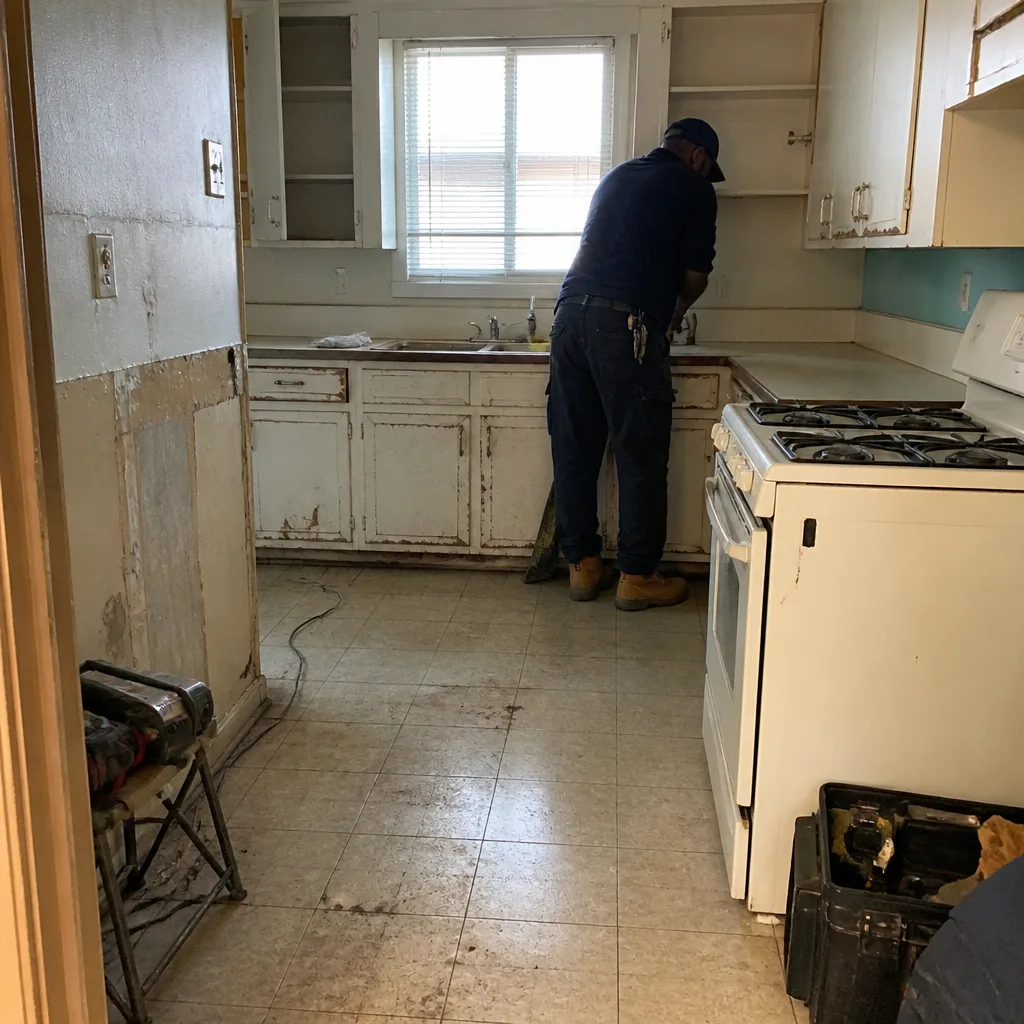 Before
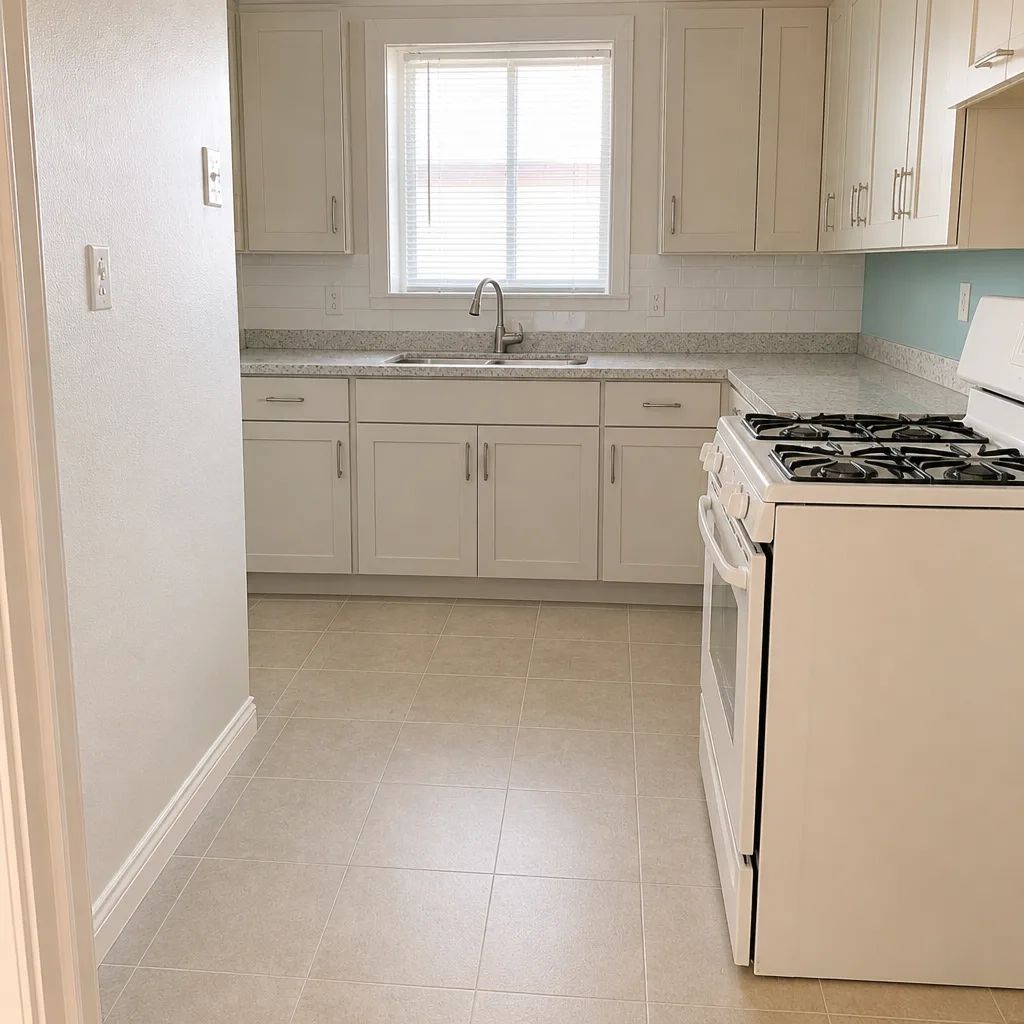 After
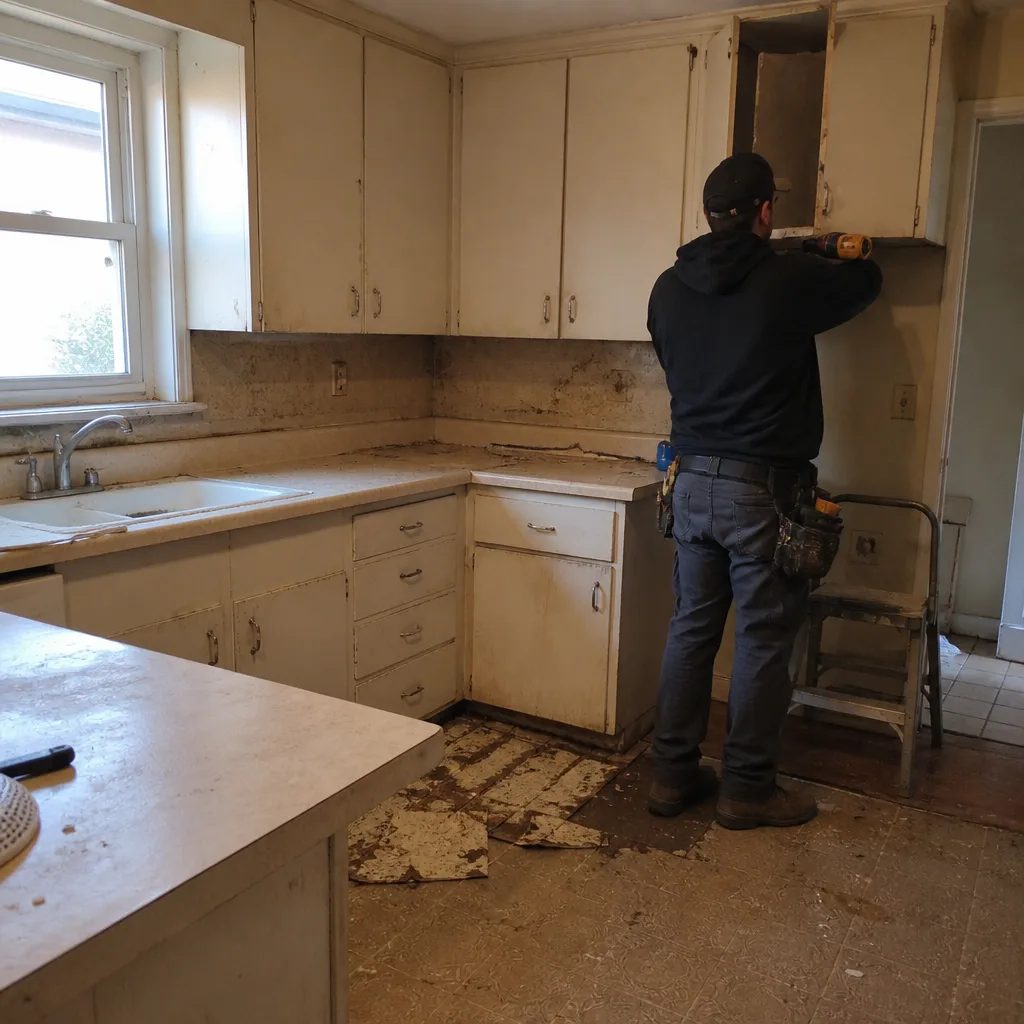 Before
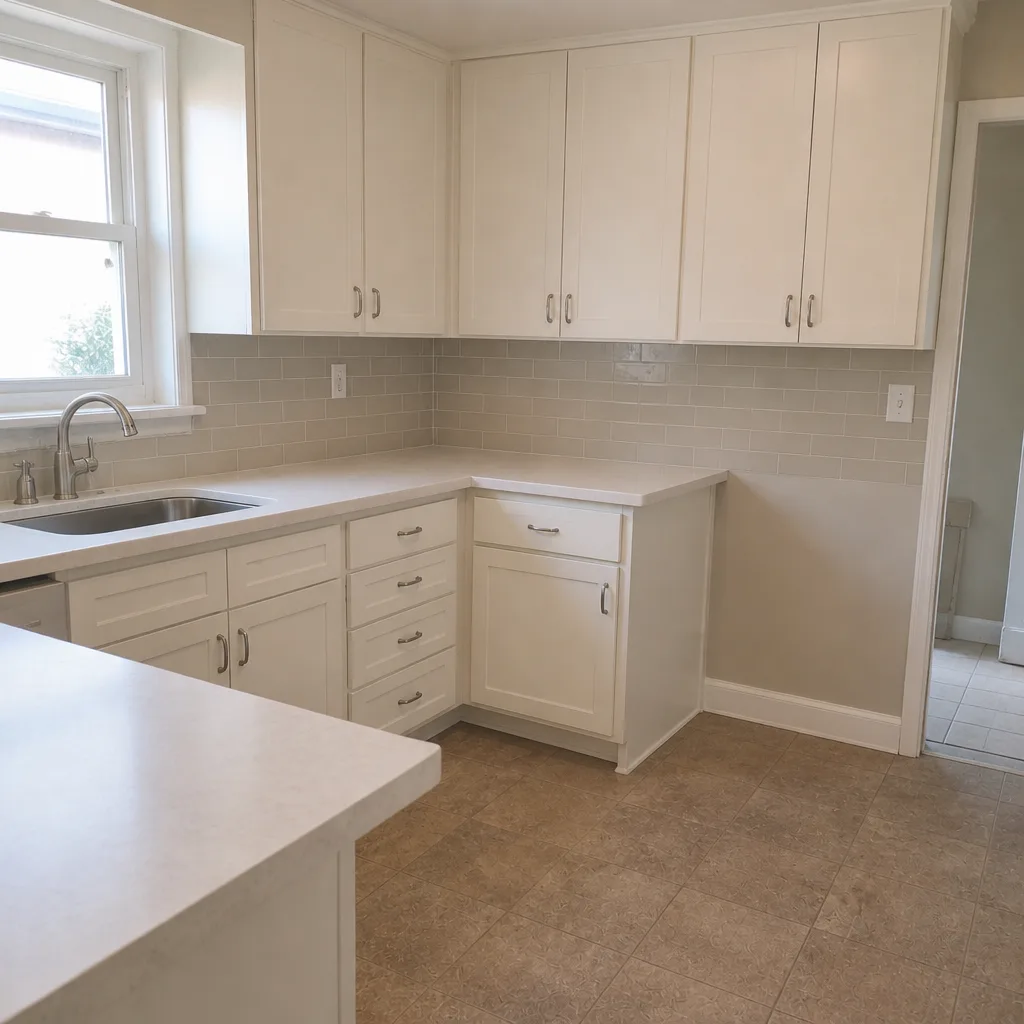 After
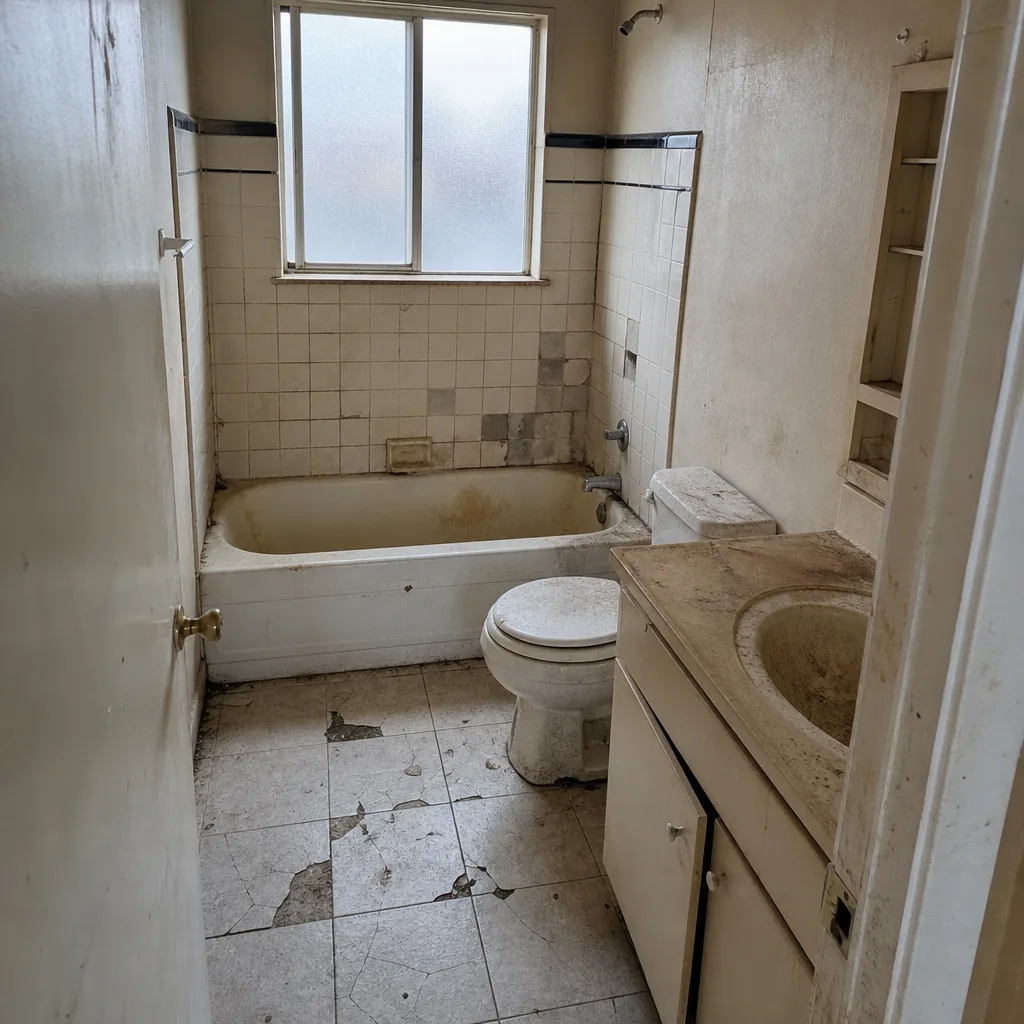 Before
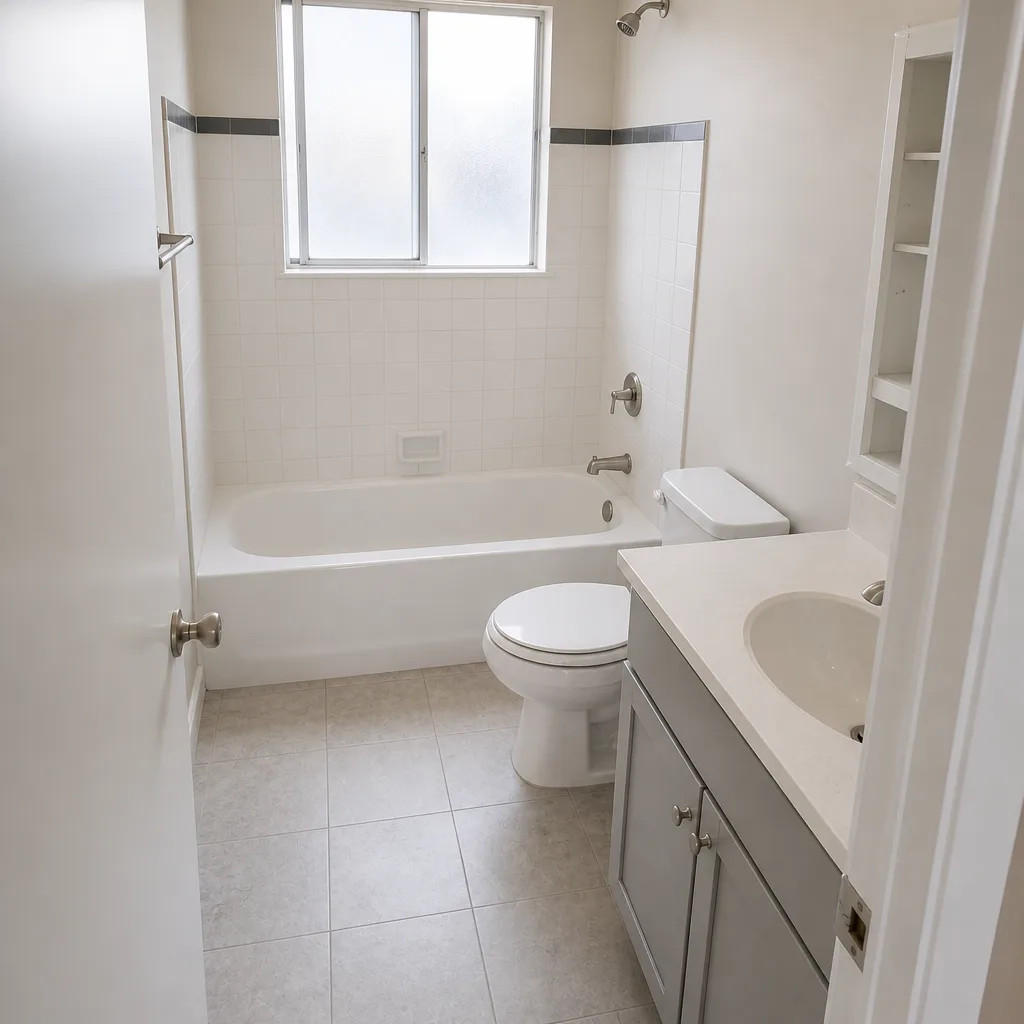 After
When to Call a Professional
Call a professional when the maintenance is no longer maintenance. If water has gotten behind a finished surface, if a shower surround feels soft or the grout won’t stay put, if exterior trim is soft under your thumb, or if the repair involves opening a wall, a wet zone, or any part of the system a licensed trade covers – stop and call. The same goes for anything near a roofline. Our technicians have up to 22 years of experience, and we work with you on a written price before any work starts, so there’s no number that moves at the door. Bradford Remodeling Co Fairfield offers free estimates in Fairfield – call (833) 998-3242.
If a project already completed by us isn’t holding, that’s a return visit under the 365-Day Done Right Promise, at no charge within the guarantee period. The whole point of putting that in writing is that you shouldn’t have to argue with anyone about it.
Frequently Asked Questions
Inspect at 30 days, 6 months, 1 year, and 3 years after the finish date, plus a quick walk each spring and fall. In Fairfield, the most important single check is the exterior seal walk in February or March, once the wet season has finished testing the joints. Call (833) 998-3242 if you’re unsure what to look for.
It’s a full-year written guarantee on every completed project. If the work fails within that year, we come back and correct it at no charge. Report any issue while the guarantee is active – that’s what it exists for. Call (833) 998-3242 for an exact answer on your specific project, and the estimate is free.
It can. Most guarantees are conditioned on reasonable maintenance, and letting a failed exterior seal sit for years is the most common way coverage gets tested. Keep a dated log and photos, and address failures when you find them. Call us if you’re uncertain whether a specific issue is covered – (833) 998-3242.
Touch-up caulk on an exterior joint is reasonable to self-perform. Regrouting or rebuilding a shower surround is not – that’s a re-waterproofing job, and doing it wrong can trap water and damage the assembly. Have a professional handle anything that opens a wet zone or a wall. Call (833) 998-3242 for a free estimate.
Necessary: exterior caulk, door seals, grout checks, any item your manufacturer’s instructions require, and reporting failures inside the guarantee window. Cosmetic: interior repainting, re-staining, and re-sealing surfaces ahead of schedule. The weather-facing envelope is where your money is best spent in Fairfield.
Yes. We give a written price before any work starts – that’s not negotiable, on every job. If you’ve got a maintenance issue that’s turned into a repair, we put the scope and price in writing first. Call (833) 998-3242 to schedule a free estimate.
The Bottom Line
Your remodeling warranty holds because you maintain what it covers, not because you hope nothing goes wrong. Build the schedule around your finish date – 30 days, 6 months, 1 year, 3 years – and layer on the one walk that matters most in Fairfield: the exterior seal check at the end of the wet season in February or March. Keep a dated log and photos. Know the difference between cosmetic touch-ups and the maintenance your coverage depends on, and don’t cross into licensed-trade work for the sake of a Saturday. A homeowner who does those things rarely needs to make the call that costs real money. And when repair work is needed, get it in writing before the tools come out.
Have a maintenance issue that’s turned into a real repair, or a project you’re ready to price? Bradford Remodeling Co Fairfield provides free estimates in Fairfield – call (833) 998-3242. A live person answers, day or night, and you’ll get a written price before any work begins.
Written by the team at Bradford Remodeling Co Fairfield.