Last updated November 17, 2026
Free written scope consultation - allowances, timeline, and change-order rules on paper before a single trade is scheduled
DIY vs Professional Construction: The Fairfield Homeowner’s Decision Guide
California allows homeowners to pull their own permits as owner-builders. That legal allowance comes with a disclosure requirement at resale that can reduce your sale price or kill a transaction entirely if buyers’ agents know what to look for. The DIY-or-hire question in Fairfield usually gets framed as a confidence issue – do you have the skills, do you have the time. It is a legal and financial question first. This guide walks through what California actually permits an owner-builder to do, where Fairfield inspections tend to fail, how to price DIY honestly, and where the line sits for a homeowner in Fairfield who wants the work to hold its value.
Quick Answer
In Fairfield, DIY is a reasonable choice for cosmetic, non-structural, non-permitted work – paint, trim, landscaping, hardware swaps. It is a poor choice for anything that touches the electrical panel, structural framing, plumbing rough-in, or shower waterproofing, because those scopes require a licensed trade under California law and carry disclosure obligations at resale as owner-builder work. The dividing line is not “can I learn this” – it is “will this be inspected and disclosed as my own work, and can I live with that liability on title.”
Styles & brands we work with
- Kitchen remodeling
- Bathroom remodeling
- Home additions & ADU
- Roofing
- Windows & doors
- Driveway & pavers
- Fence
Table of Contents
- What California’s Owner-Builder Rules Actually Allow
- Where Fairfield Inspections Fail on DIY Work
- How to Price DIY Honestly Against a Written Bid
- Which Fairfield Projects Suit DIY and Which Don’t
- The Liability Handoff Problem
- What the Resale Disclosure Actually Says
- When a Contractor Has to Work Around Your Work
What California’s Owner-Builder Rules Actually Allow
Business and Professions Code §7044 carves out an exemption for owner-builders. If you own the property, live in it (or intend to), and do the work yourself, you can generally pull a permit in your own name without holding a contractor license. That exemption has real teeth and it is not a loophole – it is a legitimate path for some scopes.
What the exemption does not do is license you to perform work that California requires a licensed trade to sign off on. The pattern that trips up Fairfield homeowners is the mixed-scope project: the homeowner frames out a bathroom remodel themselves, then calls an electrician to “just hook up” the new circuit. The electrician will pull their own permit for their scope. The framing is yours. When the inspector walks the job, they see one permit for electrical, another for plumbing, and no permit for the structural work that framed the shower niche into the wall. That is a stop-work order in motion.
The general rule of thumb in Fairfield:
- Legally self-performable in most cases: paint, flooring, trim, cabinetry install, drywall patching, tile setting (where no plumbing rough-in is moved), landscaping, fencing under height limits.
- Legally requires a licensed trade: electrical panel work, new or relocated circuits, gas line work, water heater replacement, plumbing rough-in, structural framing, roof replacement, HVAC installation.
- Grey zone that usually ends badly: shower waterproofing. Tile setters are not required to be licensed in California, but the waterproof membrane under the tile is where most failures start and where a bad install shows up two to three years later as rot behind the wall.
If you are unsure which side of the line a scope falls on, the honest answer is to ask the Fairfield Building Division before you buy materials. They will tell you plainly which permits are required and which inspections will be scheduled.
Where Fairfield Inspections Fail on DIY Work
In our experience working Fairfield jobs, DIY scopes fail at the same three checkpoints again and again. None of these are about craftsmanship – they are about code compliance that a homeowner had no reason to know existed.
1. Electrical panel work
Fairfield homes built in the 1960s and 1970s frequently have Federal Pacific or Zinsco panels still in place. These have known failure histories, and any permit that touches the panel will trigger a replacement requirement under current code. A homeowner who swaps a breaker to add a hot tub circuit often discovers mid-inspection that the whole panel needs to come out – which requires a licensed electrician and a re-pulled permit. The DIY cost advantage evaporates the moment the panel is opened.
2. Structural framing
Removing a wall to open a kitchen in a Fairfield ranch home looks straightforward until the inspector asks for the engineered beam calculation. Load-bearing walls in single-story homes are common targets for DIY open-concept conversions. The framing itself may be within a confident homeowner’s ability. The load path analysis, header sizing, and engineered stamp are not, and the inspector will require them before signing off.
3. Shower waterproofing
This is the one that costs Fairfield homeowners the most money over time. A tile shower that looks right on day one can fail at the pan within 18 months if the waterproofing membrane wasn’t tied correctly into the drain flange and up the wall to at least six inches above the curb. There is no inspection checkpoint for waterproofing in most Fairfield bathrooms – it fails silently, then shows as soft grout, mold at the baseboard, and eventually a subfloor replacement.
Other Fairfield inspection hot spots
- Deck ledger flashing at the house wall (fails on inspection when the flashing is missing or nailed rather than bolted)
- Window replacement without matching egress or safety glazing requirements in bedrooms
- Garage-to-house door replacement missing the self-closing hinge and fire rating
- ADU conversions where the electrical load calculation was not performed before permit application
How to Price DIY Honestly Against a Written Bid
Most DIY-versus-hire cost comparisons have a false precision problem. They quote materials at retail and stop. The honest math has to include five lines, and the ranges below are what we see on genuine Fairfield bids (not list prices, not the cheapest number on the internet).
| Line item | Typical DIY range | What’s missed |
|---|---|---|
| Permit fees (City of Fairfield) | $150 – $900 for most single-room scopes | Re-inspection fees after a failed inspection, typically $80 – $150 per reschedule |
| Materials at retail | Bid amount minus contractor trade discount (typically 8 – 15% on cabinetry, tile, fixtures) | Delivery, haul-away, and disposal fees ($200 – $500 for a bathroom demo) |
| Tool rental | $200 – $600 for a project with significant tile or demo work | Consumable blades, drill bits, fasteners, adhesive |
| Material waste | 15 – 25% overage on tile and trim, 10% on paint | Second trip to the store mid-install when the first cut went wrong |
| Your time | Real hourly value multiplied by realistic hours (most Fairfield bathroom projects run 3 – 5x longer for a first-timer than the YouTube tutorial suggests) | Lost weekend time, days off work for inspections, household disruption |
Run the numbers against a written contractor bid and be honest: for a bathroom remodel, DIY usually comes in 20 – 35% under a contractor price on paper, then closes the gap as re-dos and re-inspections accumulate. For cosmetic scopes like paint and trim, DIY wins comfortably. For structural and wet-area scopes, the math rarely works once you account for the resale liability covered below.
Which Fairfield Projects Suit DIY and Which Don’t
Fairfield housing stock splits into three eras – post-war ranch homes from the 1950s and 1960s, 1970s and 1980s tract builds in neighborhoods like Cordelia and Green Valley, and newer construction out toward the eastern edges. Each era carries its own DIY risk profile.
Reasonable DIY projects in Fairfield
- Interior paint and trim. No permit. Low consequence. Time cost is real but the ceiling for error is a repaint.
- Flooring replacement (floating. LVP and floating engineered floors install fast and come out clean if you do them wrong. Skip this if the subfloor in your Fairfield ranch is out of level – the 1950s slabs frequently are.
- Landscaping and hardscape under 30 inches. Retaining walls above that height require an engineered permit in Fairfield and usually fail inspection without a design stamped by a licensed professional.
- Cabinet hardware and fixture swaps. Faucet cartridge replacement, towel bars, vanity lighting on existing circuits (not new wiring).
- Exterior entry door replacement (like-for-like). A same-size door swap in a Therma-Tru or Mr-Glass spec is achievable for a careful homeowner, provided the opening is not being enlarged and no structural header is being altered.
Projects that look DIY-able but carry concealed risk
- Shower remodels – waterproofing failure risk, no inspection checkpoint, visible consequence is 18 – 36 months out.
- Kitchen layout changes – moving plumbing or a gas range requires a licensed trade. Gas line work in particular has a hard safety line and no DIY acceptance.
- Window replacement – egress and safety glazing requirements mean a swapped window can fail inspection and require redo, and ViewLux and similar whole-home window packages run on manufacturer install specs that are void if installed by anyone else.
- Deck rebuilds – Fairfield decks fail inspection for ledger flashing, joist hangers, and guardrail height more often than for the decking itself. All three are code-driven, not skill-driven.
- ADU conversions – electrical load, egress, and separation requirements are dense. Every Fairfield ADU we have seen go through permitting required layout adjustments even when drawn by the homeowner.
If you have a general sense of where your project sits on that list, stop for a moment. The projects on the “concealed risk” side are precisely the ones where a written bid versus a DIY number matters least, because the true cost of failure lives in the next section.
The Liability Handoff Problem
Here’s the piece most DIY-versus-hire guides leave out. When you do permitted work as an owner-builder, you become the contractor of record for that scope. The permit history, the inspection record, and the work itself are attached to your property and to you personally in a way that a licensed contractor’s work is not.
That creates a specific problem when you later hire someone to work on or around that scope:
- Contractors won’t warrant another party’s work. A Fairfield contractor called in to tile a shower that you waterproofed will typically refuse to warrant the waterproofing. That means the honest scope of their warranty excludes the most likely failure point. That is not a loophole – it is a fair limitation because they did not build it.
- Warranty claims get rejected on the handoff. If a Bradford-adjacent project fails and the root cause is owner-builder framing or waterproofing, the written guarantee cannot reach back into work we did not perform. This is standard across the trades and it is why every good contract will identify what a homeowner self-performed.
- Insurance moves. If a fire or water loss traces back to unpermitted or owner-builder electrical or plumbing, a homeowner’s policy may reduce or deny the claim. This is not theoretical – it is the first question an adjuster asks on a loss that touches any recently remodeled scope.
- The resale disclosure bites. California’s transfer disclosure statement asks whether work was done without the necessary permits. If the answer is yes, the buyer’s agent will price the risk in, ask for indemnification, or walk. In Fairfield’s market, that conversation is happening in active listings.
None of this means you should never pick up a hammer. It means the calculus changes dramatically on the scopes that end up on the resale disclosure. If you are already in the middle of a DIY project and thinking about scope-splitting with a contractor later, that is the moment to get one written scope review – we see these go sideways mostly because nobody drew the boundary line in writing before the first tool came out.
What the Resale Disclosure Actually Says
When a home sells in Fairfield, the seller delivers a Transfer Disclosure Statement (TDS) and typically a supplement where specific work is itemized. The line that matters for a DIY project is the one asking whether any additions, alterations, or repairs were made without the required permits. This is not a trick question, and it is not one to answer loosely.
If the answer discloses unpermitted or owner-builder-permitted work, one of three things happens at the offer stage:
- Buyer asks for retroactive permitting. That means opening a permit on a completed scope and walking it through inspection, which sometimes means tearing back into finished walls or floors.
- Buyer asks for a credit. A credit tied to the cost of a licensed contractor redoing the work, plus contingency, is the practical outcome on most bathroom and kitchen scopes.
- Buyer walks. Less common than a credit but it happens on structural and electrical work, where a buyer’s lender may decline the loan rather than take on the inspection record.
The “dollar figure” on a DIY mistake in Fairfield is easiest to see on a kitchen. A homeowner who pulls a permit for a cabinet and counter swap, then does their own electrical work to add under-cabinet lighting, ends up disclosing a mixed-scope permit at sale. A buyer’s agent will typically treat the electrical as unpermitted and price a full rewire of that circuit plus inspection into the offer. That number is often larger than the original cabinet swap.
When a Contractor Has to Work Around Your Work
Fairfield has a housing stock that was built tight. A 1960s ranch with a finished bathroom and a 2020s owner-builder shower removal is not a clean slate – a contractor has to plan around what you built, what you inspected, and what you did not.
The most common situation we run into is a homeowner who tiled their own floor, then wants the shower replaced correctly. That is fine, and the work is doable, but the honest conversation has to include three things:
- What the previous scope included. If your tile install sits over a substrate we cannot verify, we will quote demo and re-substrate, not tile-over-tile. That is not upselling – it is the only way to warrant the finish floor.
- What the permit record says. A permit pulled for a “cabinet replacement” does not cover a bathroom tile install even if a tile install was done under it. Inspectors read the scope line. We do too.
- What your warranty will cover. Our 365-Day Done Right Promise covers the work we perform. If your scope is mixed, we will write down what is covered and what is not, in plain language, before the first tool comes out. That is The Garrison Standard in practice: the price and the guarantee in writing, not the pitch.
Bradford Remodeling Co Fairfield works in this exact situation regularly. The approach that keeps a Fairfield homeowner out of trouble is simple: bring the permit record, the scope description, and photos of what was built into the estimate appointment. From that, we can write a scope that either works around the existing scope or replaces it, with a written price and a written guarantee that says exactly which is which. If you want to see what the finished product looks like when it is squared away from the first day, read about our Kitchen Remodeling in Fairfield and Bathroom Remodeling in Fairfield scopes.
How the Decision Looks Once the Price Is in Writing
The one factor that shifts the DIY-versus-hire decision more than any other in Fairfield is not a skill gap – it is the difference between an estimate and a written price. When you compare a DIY budget of retail materials plus your time against a professional bid that moves at the door, DIY wins on paper every time. When you compare it against a written, line-itemed scope where the price does not change after work starts, the comparison changes.
That is why every Bradford Remodeling Co Fairfield project starts with a written price before any work begins. No numbers that move at the door, no repricing at the point the walls are open. You can hold the number against your DIY math and make a decision that is actually informed. If the answer is DIY for the paint and professional for the shower waterproofing, we will write the scope to cover only what you are not doing yourself. If the answer is professional across the board, you get a General Contractor in Fairfield scope with a 365-Day Done Right Promise on the work, backed by a fixed price to match.
Homeowners in Fairfield have a real choice to make, and most of it comes down to where the legal line sits. That line is what we help draw, honestly, before the money is spent. You can start by reading about our Bradford Remodeling Co Fairfield home approach or by looking at whole-home remodels where the description of what was self-performed versus what was contractor-led gets spelled out plainly.
Common Mistakes to Avoid
- Pulling the permit as an owner-builder and then hiring a contractor to “do the work under your permit.” That description is against California law for the contractor and void under your warranty for you. Either you do the work or the contractor does, with their own permit and their own name on the record.
- Treating a tile shower like a cosmetic project. It isn’t. In Fairfield, the underlying waterproofing is the failure point in most 2-to-5-year-old bathroom remodels we get called to correct.
- Forgetting the resale disclosure until you are listing. The dollar cost of a DIY mistake is easiest to price at sale and hardest to fix at that point. Pull the permit record before you start, not after the buyer’s agent asks.
- Swapping an electrical panel breaker to add a circuit without checking panel condition first. In Fairfield’s older stock, the panel often needs replacement – which flips the scope from a $400 job to a $2,500 job, with the added cost of a re-inspection.
- Letting material cost decide the scope. Cheaper tile in a shower is fine. Cheaper waterproofing membrane behind that tile is where a Fairfield bathroom becomes a $12,000 redo in year three.
- Buying brand-name product without the install specification. ViewLux and Therma-Tru, for example, are excellent product lines – and both publish install specs that void the manufacturer warranty if not followed. Read the spec before you buy.
- Assuming “the inspector didn’t flag it” means it’s fine. Many of the scopes we get called to repair were never inspected at all – the work passed nothing because no one walked it.
See the difference
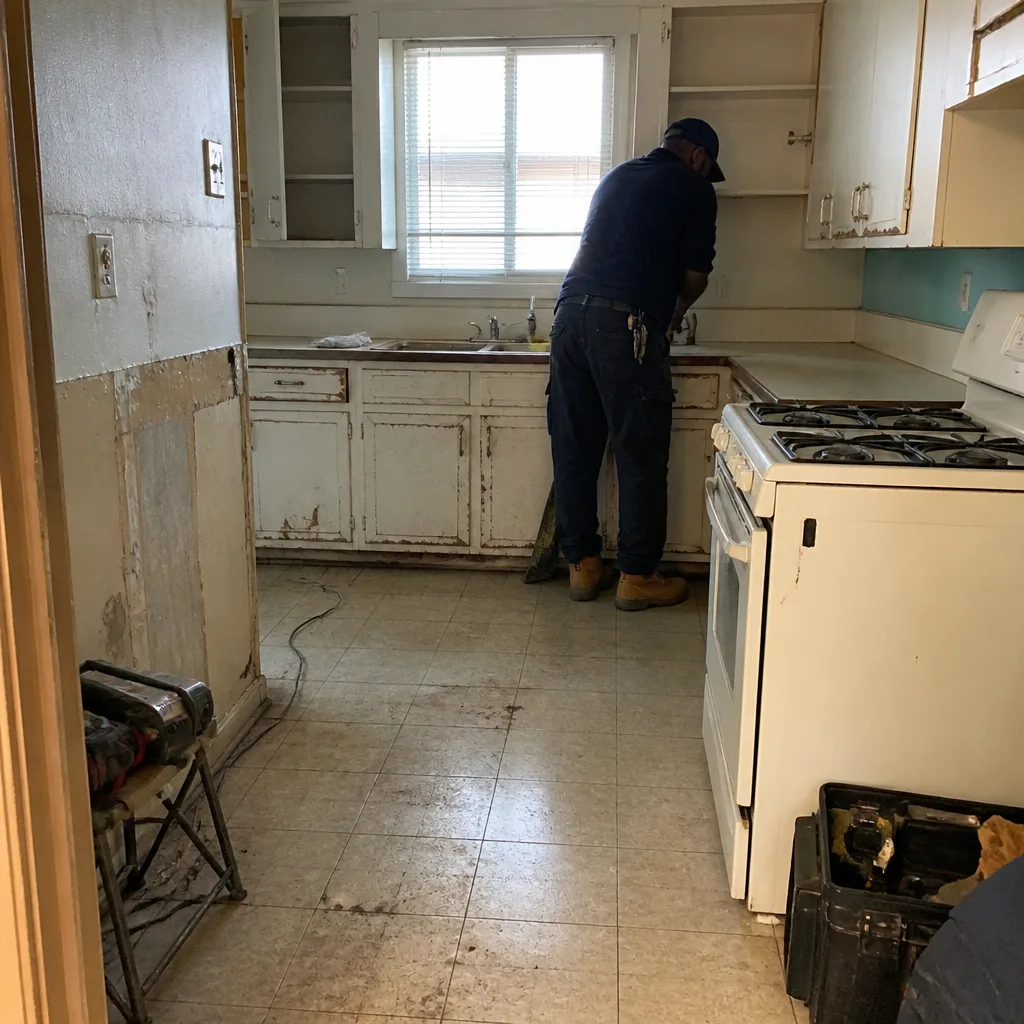 Before
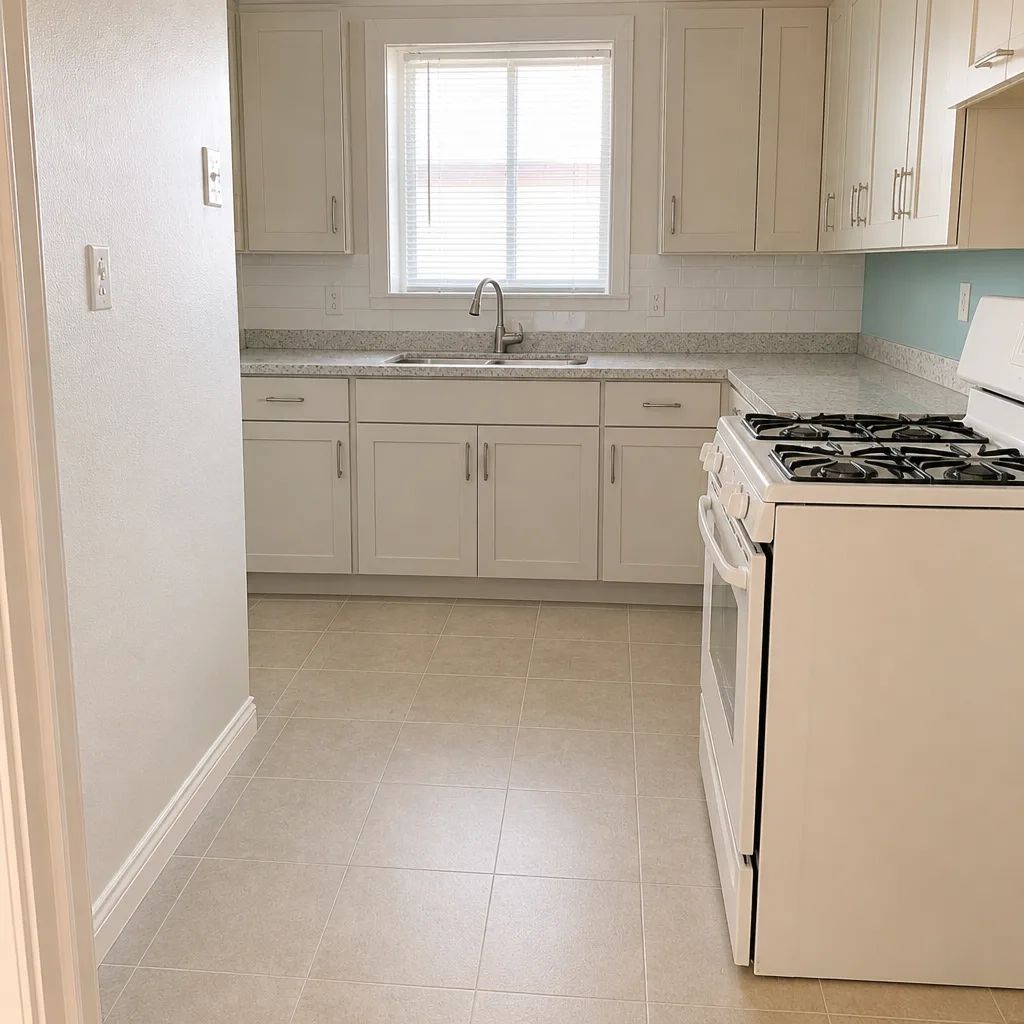 After
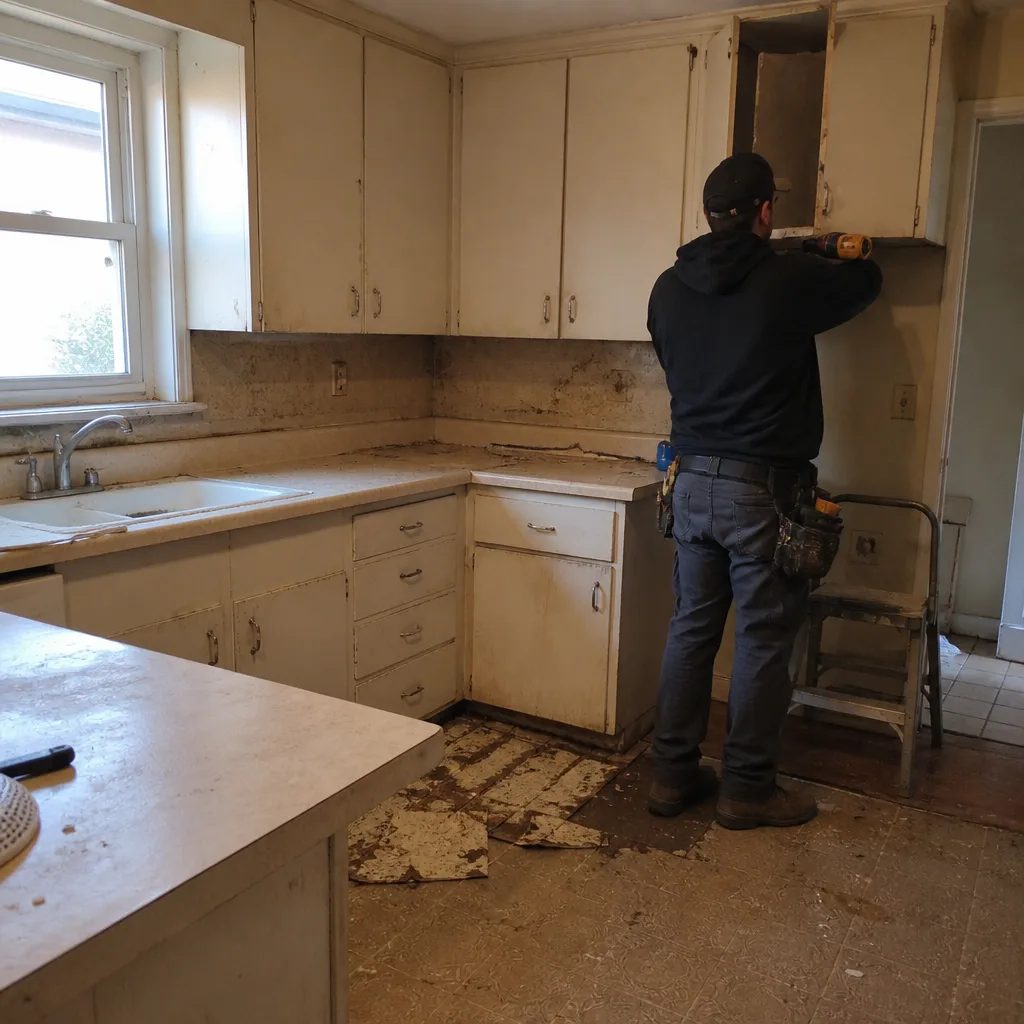 Before
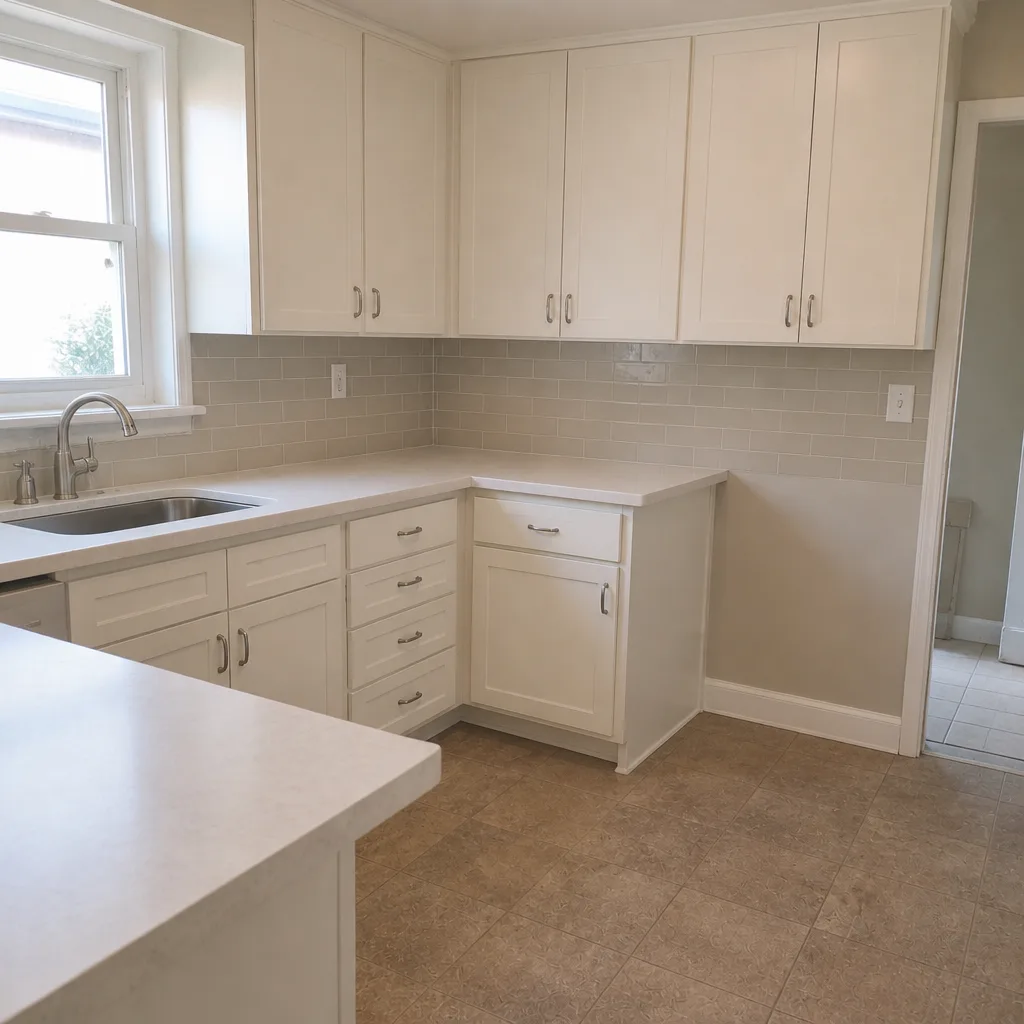 After
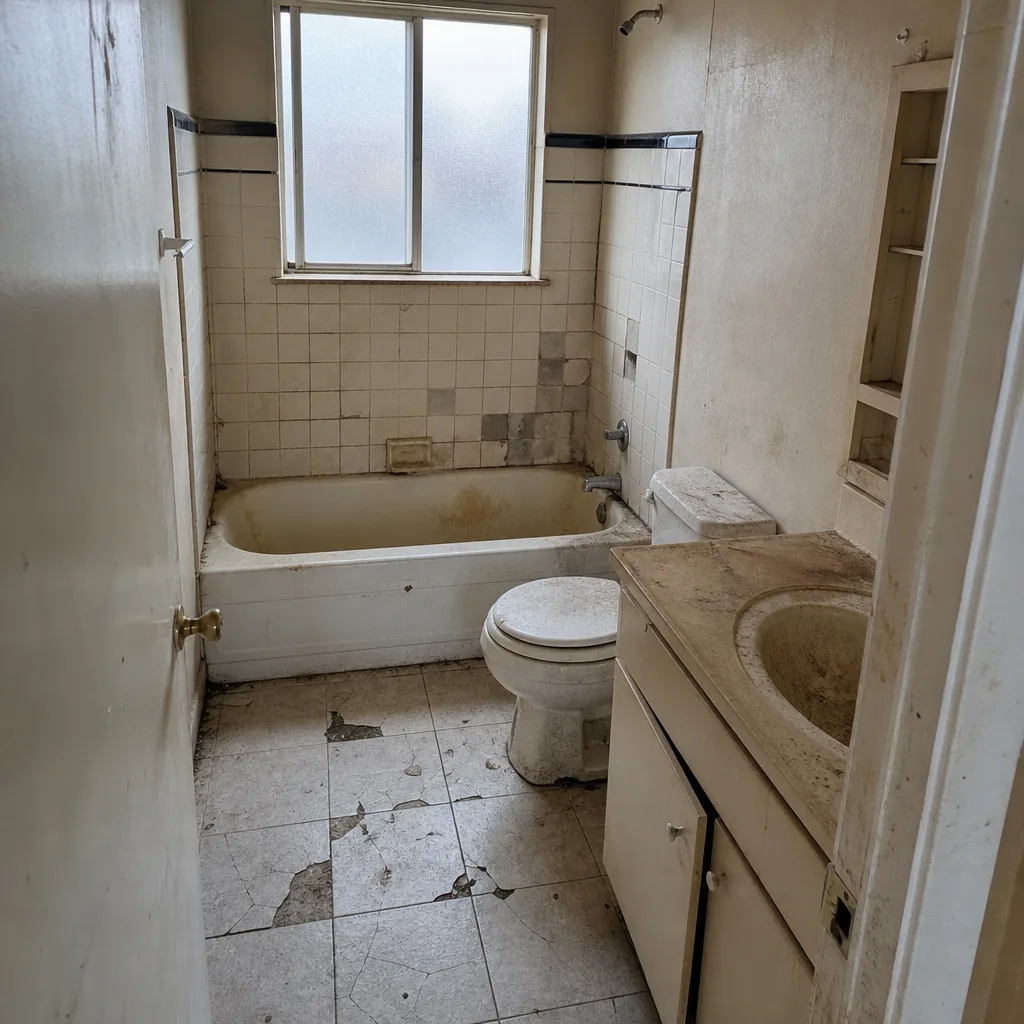 Before
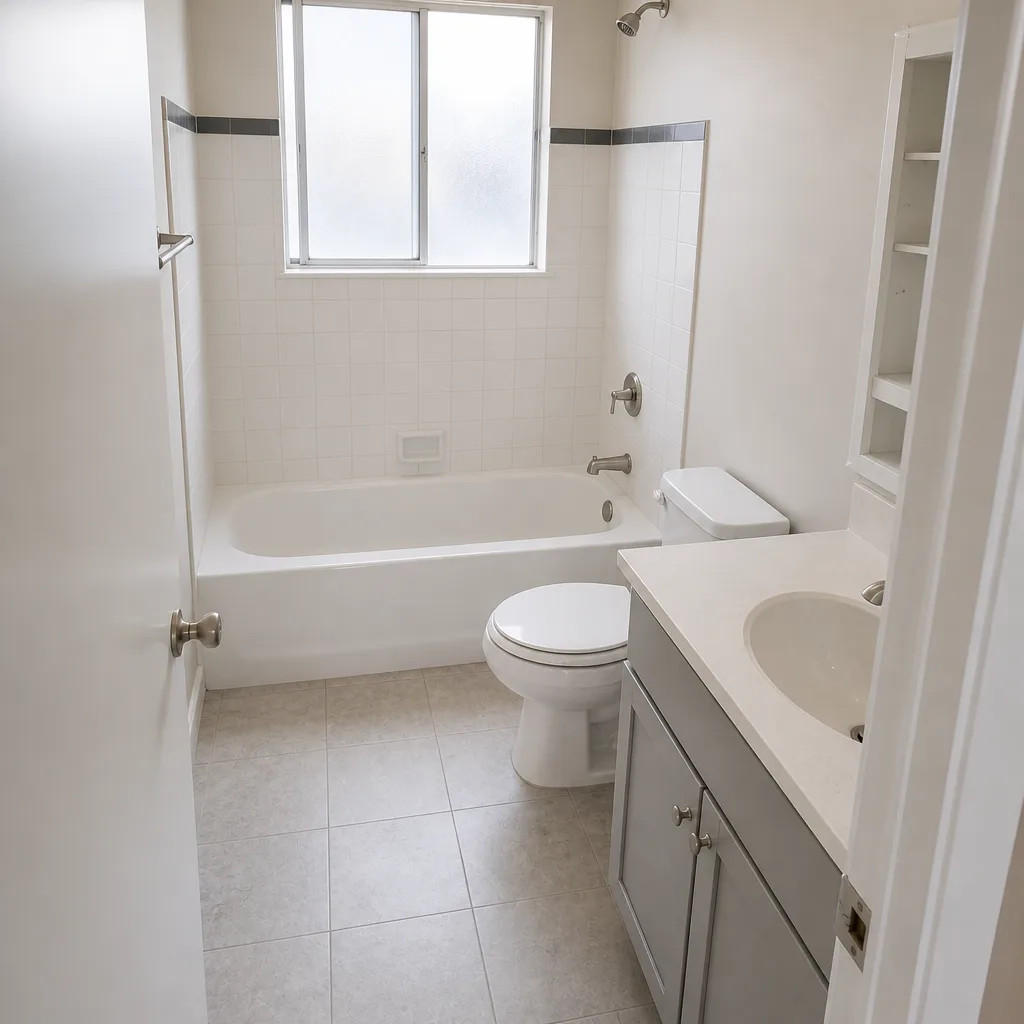 After
When to Call a Professional
Call a professional in Fairfield when the scope touches the electrical panel, gas lines, structural framing, plumbing rough-in, roof, or shower waterproofing. Call when a permit is required and you are not prepared to sign the permit as owner-builder with full liability. Call when a future buyer will ask the disclosure question and you want the answer to be clean. And call when the project involves work around product that carries its own install specification – cabinets, windows, and doors – where an out-of-spec install voids a manufacturer warranty the homeowner paid for.
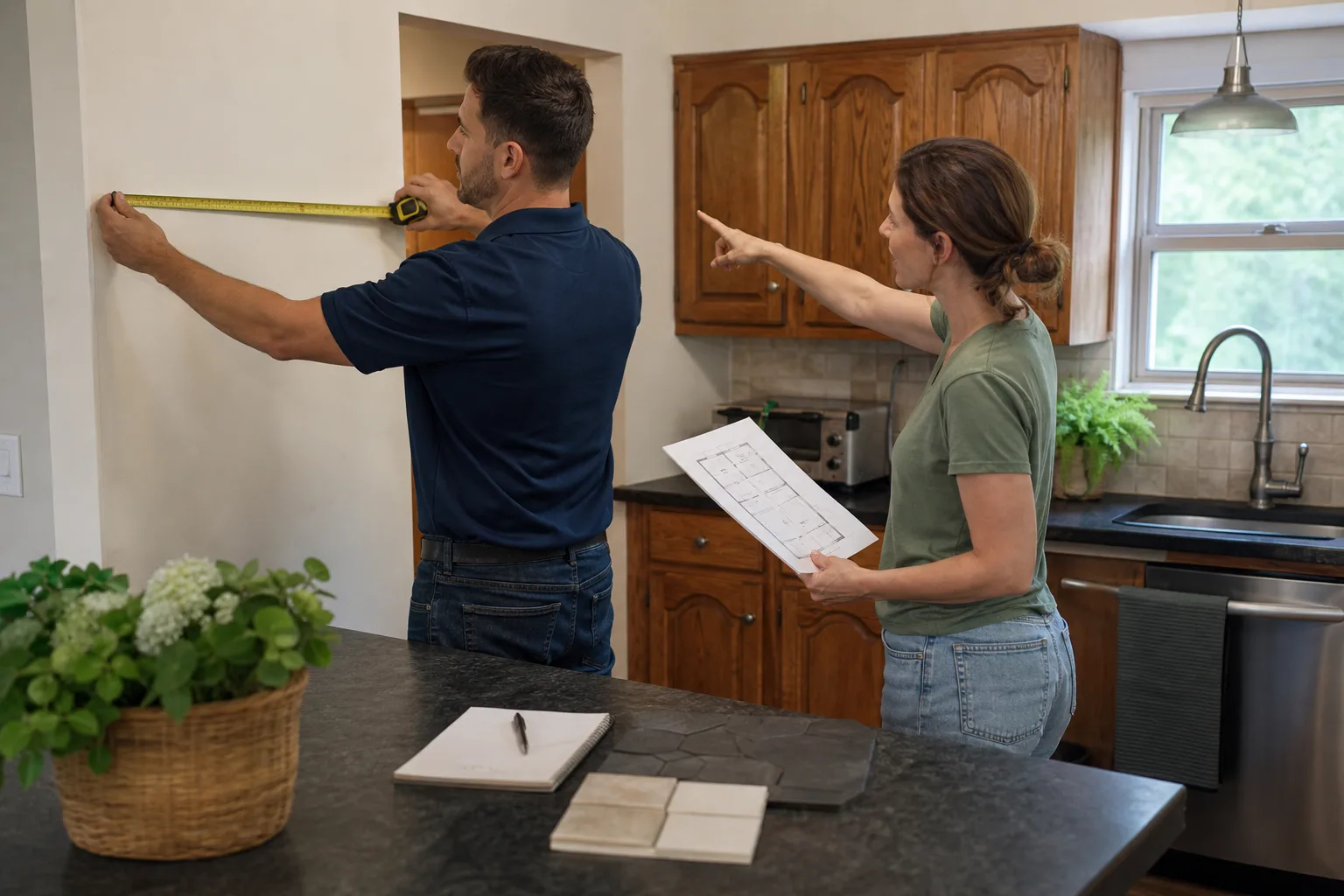
Bradford Remodeling Co Fairfield offers free estimates in Fairfield – call (833) 998-3242 to schedule one. You will get a written price before any work starts, a scope that shows exactly what is included and what was handled separately, and the 365-Day Done Right Promise in writing at close.
Frequently Asked Questions
Yes, California allows an owner-builder to pull an electrical permit and perform some limited electrical work in a home they live in, but the practical limits are tight. Panel replacement, new circuits, and gas appliance connections have code requirements that any permit-touching inspection will test. In our experience, the mixed scopes that pass are the ones where a licensed electrician performed the panel and circuit work while the homeowner handled low-voltage or fixture swaps. Call (833) 998-3242 for a written estimate if you want to know exactly where your scope should split.
Yes. Fairfield’s transfer disclosure asks directly whether work was done without permits, and a “yes” typically reduces the sale price by more than the original job would have cost through a licensed contractor. The practical reduction appears as a buyer credit for the cost of retroactive permitting plus contractor rework. Call (833) 998-3242 if you want a written scope that starts clean and stays clean.
For cosmetic work – paint, tile, vanity and fixture swaps – DIY is a reasonable choice. For shower waterproofing, plumbing rough-in, or moving electrical circuits, DIY carries concealed failure risk that shows up 18 to 36 months after close-out and is not caught by any Fairfield inspection checkpoint. Once failure risk is priced against a written contractor bid, DIY usually loses on the wet-area scopes.
Yes, but the contractor will typically exclude anything you built from their warranty, and they may require demo of certain scopes before warranting the finish. That is standard practice and it is what protects you both. Our crews handle these handoffs regularly – the estimate appointment starts with a review of your permit record and photos. Call (833) 998-3242 to set one up.
Most kitchen and bathroom remodels require at least a building permit, and any scope that touches plumbing, electrical, or gas requires a corresponding permit for that trade. Cosmetic-only work – paint, tile on existing substrate, cabinet refacing – typically does not. The Fairfield Building Division can confirm the exact permit set for your address before you buy materials. If you want a written bid that matches the permit set, call (833) 998-3242.
A written price itemizes scope, brand and specification, labor, materials, and the disposal and permit lines as separate numbers, with an explicit statement that the total will not change unless you authorize a scope change in writing. That is how every Bradford Remodeling Co Fairfield quote is built – The Garrison Standard, in writing, before the first tool comes out. Call (833) 998-3242 for a free estimate built to that format.
The Bottom Line
DIY versus hire in Fairfield comes down to a legal line, not a confidence line. Cosmetic work is genuinely yours to take. Structural, electrical, plumbing, and waterproofing scopes carry contractor liability that follows the property into resale, where the disclosure question turns a saved $2,000 into a $12,000 credit. Run the honest cost math against a written contractor bid; that comparison is the only one worth making. And when the scope is mixed, get the split in writing before anyone opens a wall. Written price, written guarantee, no numbers that move at the door. Call (833) 998-3242 for a free estimate in Fairfield.
Written by the team at Bradford Remodeling Co Fairfield.