Last updated November 17, 2026





Free written scope consultation - allowances, timeline, and change-order rules on paper before a single trade is scheduled
DIY vs Professional General Contractor: What’s Safe to Do Yourself
Unpermitted work is the single most common issue flagged on Fairfield home inspection reports. And it almost always surfaces at the worst possible moment: closing. A seller lists a house on the east side of Fairfield, the buyer’s inspector climbs into a garage conversion that was framed by a previous owner, and suddenly a sale is on hold until someone with a license pulls retroactive permits. The homeowner didn’t do anything wrong that day. They just inherited a decision made years earlier by someone who was confident and wrong. This guide gives you the three filters that actually decide the question, so you can sort DIY from hire-it-out before any tools come out.
Quick Answer
Your skill level is not the deciding factor. The deciding factor is three questions: does the work require a pulled permit in Fairfield, does it touch a structural or life-safety system, and will it show up on a home inspection report when you sell? If the answer to any of those is yes, hire a licensed general contractor. Cosmetic finish work like paint, trim, tile and cabinet hardware is genuinely safe for a capable DIYer. Load-bearing changes, panel upgrades, gas lines and waterproofing over living space are not, no matter how many videos you’ve watched.
Styles & brands we work with
- Kitchen remodeling
- Bathroom remodeling
- Home additions & ADU
- Roofing
- Windows & doors
- Driveway & pavers
- Fence
Table of Contents
- The Three Filters That Decide Every Project
- Fairfield Permit Triggers: What Actually Requires a Pull
- Life-Safety Work You Should Never DIY
- Cosmetic and Finish Work That’s Genuinely Safe
- How Unpermitted Work Affects Insurance and Resale in California
- The Hybrid Approach That Makes Sense
- Common Mistakes to Avoid
- Frequently Asked Questions
The Three Filters That Decide Every Project
Most homeowners start the wrong conversation. They ask “am I capable of this?” when the real question is “what does this work require legally and structurally?” A competent person can physically remove a wall. What they can’t do is tell you whether that wall is carrying load, whether the beam you substitute meets the span, and whether the inspector will sign off on it when it’s time to sell.
Run every project through these three filters, in order:
- Permit filter. Does Fairfield’s municipal code require a permit for this scope? If yes, the work needs a licensed contractor or at minimum a permitted, inspected job. This filter alone eliminates most DIY ambitions.
- Life-safety filter. Does the work touch structural framing, electrical service, gas piping, or the waterproofing envelope over living space? These systems fail catastrophically and quietly. They also void insurance when done unpermitted.
- Resale filter. Will a buyer’s inspector photograph this and flag it? Anything you build without a record becomes a line item in a disclosure document years later. California sellers must disclose known unpermitted work, and that disclosure is not a get-out-of-jail card. It’s a negotiating chip for the buyer.
If a project clears all three filters, it’s a real candidate for DIY. If it fails any one of them, the savings you get from doing it yourself are borrowed against a problem you’ll pay for later. In our experience working Fairfield homes, the borrowed problem almost always comes due.
Fairfield Permit Triggers: What Actually Requires a Pull
Fairfield follows a permit structure consistent with California’s building code, and the triggers are concrete. You don’t need to guess. Here’s the working list of what typically requires a licensed pull and inspection:
- Square footage additions and any new enclosed footprint. Adding conditioned square footage, converting a garage to living space, or building a room addition requires permits and inspections at every phase: foundation, framing, rough electrical, rough plumbing, insulation, drywall, final.
- Electrical service changes. Any panel replacement or service upgrade crosses the permit line. Fairfield homes built in the 1960s and 1970s often still carry a 100-amp panel that won’t handle a modern load; swapping it is licensed, permitted work, no exceptions.
- Structural changes. Removing or altering a load-bearing wall, cutting a new opening, sistering joists, or adding a beam means engineering, permits and inspection.
- Plumbing relocations and gas line work. Moving a drain, adding a bathroom, or running any new gas line to a range, dryer or outdoor kitchen requires permits.
- Roof replacement. A full tear-off and re-roof needs a permit. This is where a brand matters: a GAF or CertainTeed system installed to spec keeps the manufacturer’s warranty intact, and that warranty only holds when installation follows the published method.
- Water heaters, HVAC changeouts and window replacements. Each has its own permit requirement. Window swaps, in particular, are frequently done unpermitted and then flagged at resale.
Cosmetic work – paint, interior trim, tile, cabinet refacing, flooring over an existing subfloor – generally does not require a permit. The line is not blurry for a homeowner who knows it exists. It’s just invisible if you’ve never asked.
Life-Safety Work You Should Never DIY
Some work has no DIY tier, regardless of confidence or tutorials. These systems fail in ways that hurt people, and no amount of careful measurement substitutes for training and inspection.
Load-bearing modifications
A load-bearing wall carries the floor or roof above it. The failure mode is not a crack you can patch; it’s a sagging floor, a door that won’t close, or a roof line that deflections over time. Removing one without an engineered beam, proper bearing points and inspection is the single most expensive mistake a homeowner can make. In Fairfield, we’ve seen this in older ranch-style homes where a hallway wall looked cosmetic and was in fact holding up the ceiling joists.
Electrical panel upgrades and service work
Panel work is genuinely dangerous. It’s live, it’s hot, and a mistake can start a fire inside a wall cavity where you won’t see it until it’s spreading. Every panel replacement or service upgrade belongs to a licensed electrician with a pulled permit. Full stop.
Gas line work
Any gas piping change – a new range, a dryer move, a patio heater line – is licensed work with a pressure test and inspection. Gas leaks don’t announce themselves. They accumulate.
Waterproofing over living space
A shower pan or a second-floor bathroom waterproofing assembly sits directly above a ceiling someone sleeps under. Fail that membrane and you find out weeks later through a stained ceiling and a swollen subfloor. We see this regularly in Fairfield homes and it’s a full tear-out to correct. A licensed contractor installs to the manufacturer’s method and to code, then documents it. That documentation is what makes the repair warrantable if something goes wrong.
Cosmetic and Finish Work That’s Genuinely Safe
The other side of the ledger is real. Plenty of work is legitimately safe for a careful homeowner who reads the directions and takes their time. This is the category where DIY actually pays off.
- Interior paint. Walls, ceilings, trim, doors. Prep is the whole job; the finish coat is easy.
- Interior trim and millwork. Baseboard, casing, crown, a beadboard hallway. Nail it, fill it, caulk it, paint it.
- Tile work on a properly prepped substrate. The keyword is substrate – the surface underneath, which must be flat, stable and correctly primed for the tile. If the substrate is wrong, no tile job saves it. If it’s right, a careful homeowner can lay tile well.
- Cabinet hardware and refacing. New pulls, hinges and drawer fronts. Not moving plumbing or electrical; just surfaces.
- Flooring over an existing subfloor. Luxury vinyl plank, laminate, floating floors. Not tile over an unleveled slab; not hardwood refinishing.
- Light fixtures on existing switched circuits. Swapping a fixture when the box and wiring are already there and you turn the breaker off. Not new outlets, not new circuits.
- Shelving, closet organizers and freestanding storage. No structural attachment concerns beyond finding a stud.
Learning the trade’s actual vocabulary pays off here. When you can tell an inspector “this is cosmetic trim over the existing drywall” they hear a different sentence than “I did some work here.” Accuracy is a form of credibility.
How Unpermitted Work Affects Insurance and Resale in California
Two things happen to unpermitted work that DIY guides rarely mention. The first is insurance. If a fire or water loss traces back to unpermitted electrical or plumbing, a carrier can deny the claim or pay a reduced amount. That’s a serious problem to discover in the middle of a loss, when a check is what you need most.
The second is disclosure. California sellers are required to disclose known unpermitted work on the transfer disclosure statement. You don’t get to sell a house with a quietly finished garage and claim ignorance if you did the finishing. The buyer’s inspector will find it – unpermitted additions are exactly what they’re trained to catch – and the consequences range from a price reduction to a demand that you pay to bring the work up to code before closing.
Fairfield has a meaningful volume of older homes where a prior owner did exactly this, and those problems follow the house through every sale. The current owner didn’t do the work, but they hold the negotiation. If you’re planning a project now, that’s the argument for doing it right the first time. A pulled permit and a passed inspection become a selling document, not a liability.
The Hybrid Approach That Makes Sense
For a homeowner who’s capable but not licensed, the smartest play is often the hybrid approach: hire a general contractor for the permits and the rough work, keep the finish work for yourself. This gets you the safety and the paperwork without paying someone else to roll paint on a wall.
The split usually looks like this:
- Contractor handles: permit applications, structural work, electrical rough-in, plumbing rough-in, gas lines, insulation, drywall, and final inspection sign-off.
- You handle: paint, tile in areas where prep is already done, cabinetry hardware, trim, shelving, and any finish the contractor has explicitly signed off on.
- Written agreement up front: spell out exactly which parts of the job you’re taking, so the permit and the warranty cover the right scope. This is where a written price and written scope matter twice as much, because the edges are where disputes start.
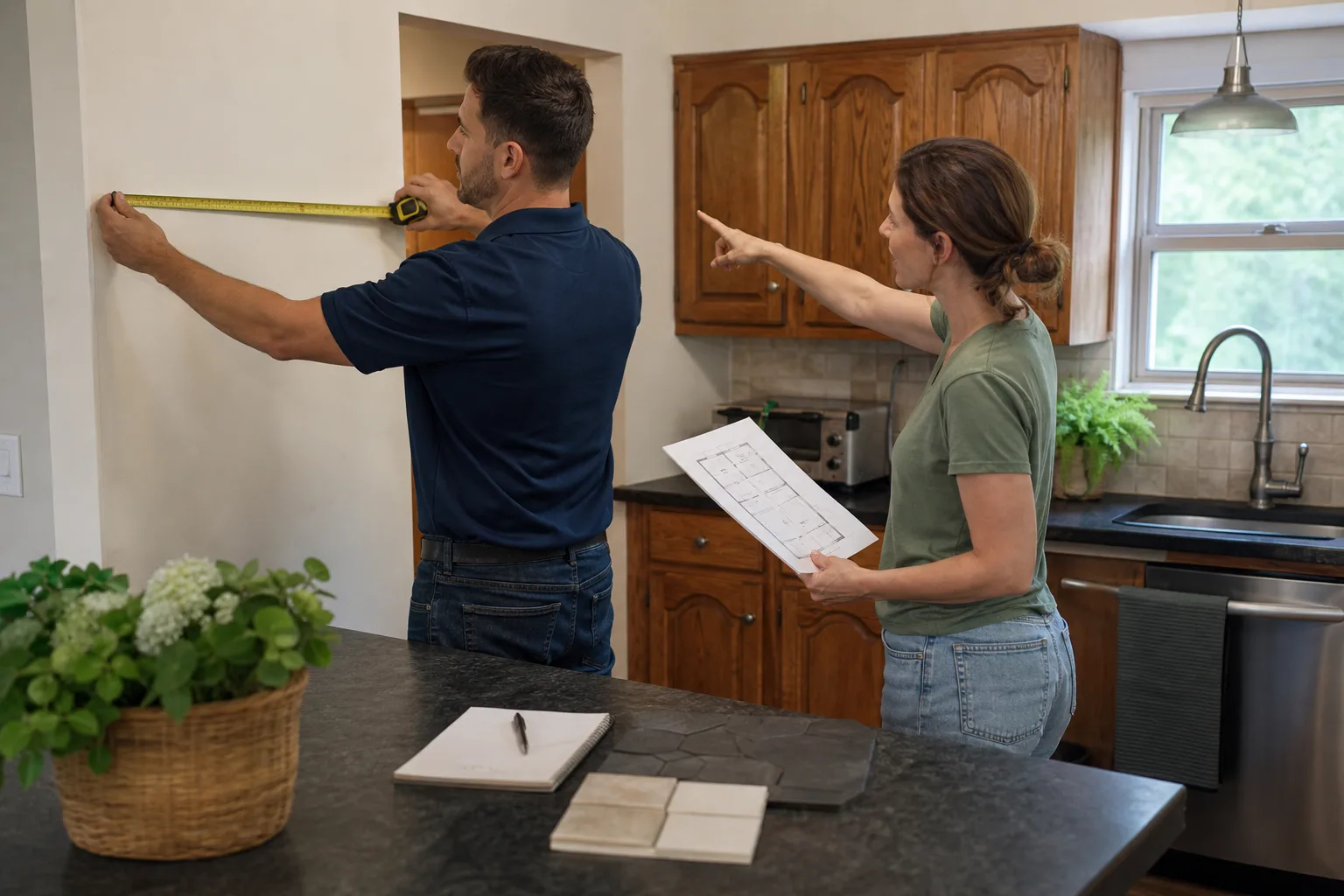
For a project that spans multiple systems – a kitchen or a whole home – this is the most common arrangement we walk homeowners through at Bradford Remodeling Co Fairfield’s general contractor service. The homeowner keeps the parts they enjoy and delegates the parts that carry the risk. If your project is a kitchen or a bathroom, we cover those separately on our kitchen remodeling page and our bathroom remodeling page, both written for the Fairfield market.
Common Mistakes to Avoid
- Finishing a garage without a permit. This is the Fairfield mistake we see most. It reads as a bonus room to a buyer and as an unpermitted conversion to an inspector. Remediation usually means opening walls.
- Moving an outlet or a switch yourself. It seems like a small electrical task. It’s electrical work on a live circuit, and unpermitted. This is where fires start.
- Assuming a small change doesn’t need a permit because it’s small. Size isn’t the trigger. Scope is. A panel swap is 12 inches of wall and 100% permitted.
- Hiring the quote with no written scope. A verbal range that turns into a bigger invoice mid-job is the fastest way to lose the savings you were chasing. Written price, before work starts. Every time.
- Doing the waterproofing on a second-floor bath because it’s “just a shower.” That shower pan sits above your living room. Get it wrong and you repaint a ceiling and replace a subfloor.
- Skipping the disclosure on the way out. Unpermitted work you know about is legally disclosable in California. Hiding it is worse than fixing it.
- Choosing finish products with no manufacturer documentation. Off-brand fixtures with no warranty paper give you nothing to stand on when they fail. Name-brand products with documented specs (Kohler and Moen for fixtures, GAF or CertainTeed for roofing) have paper trails that back a warranty.
See the difference
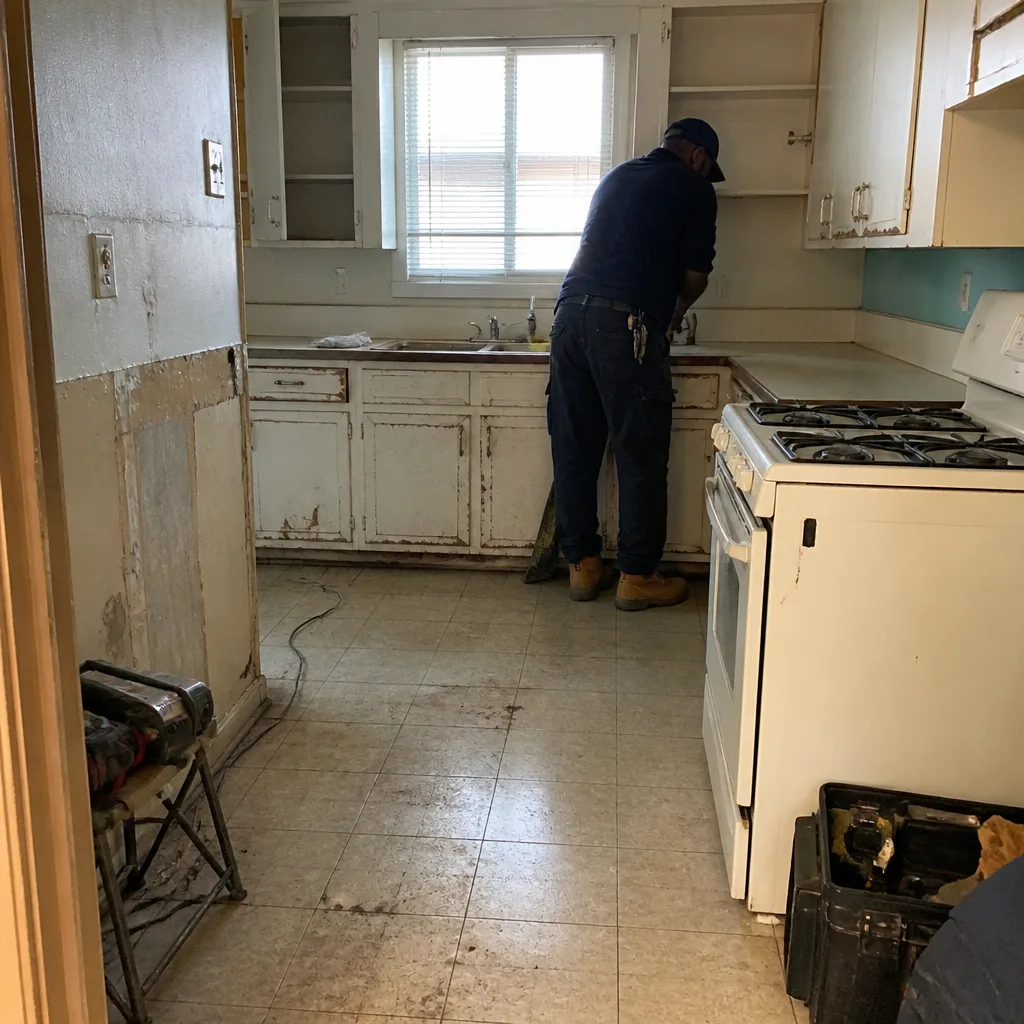 Before
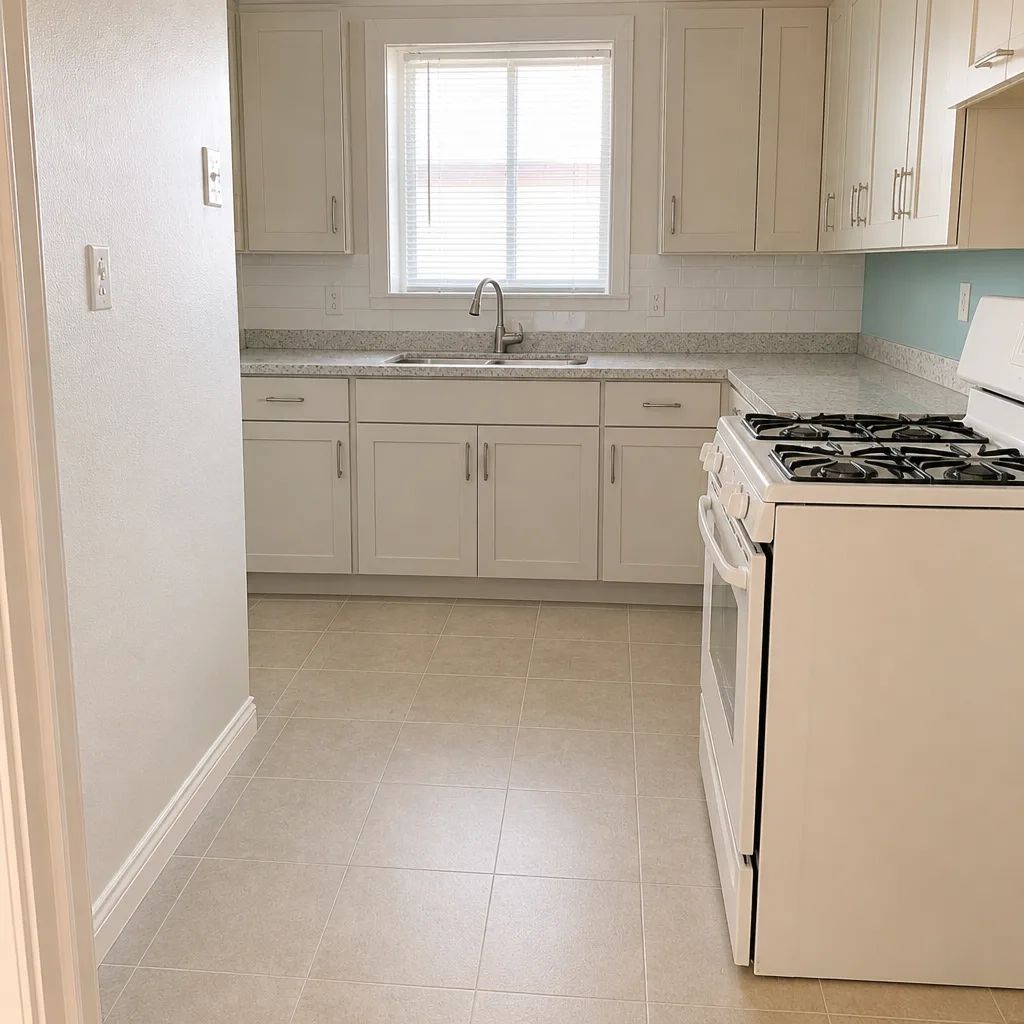 After
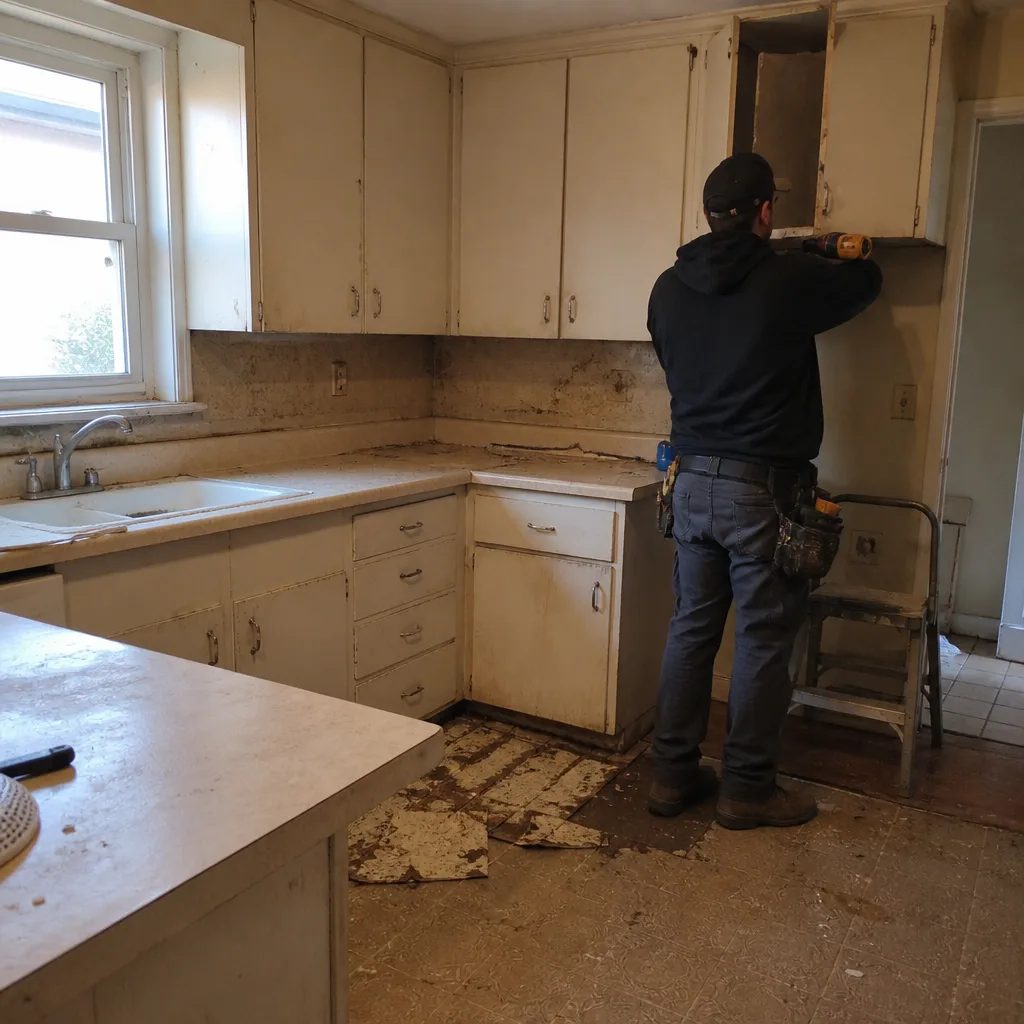 Before
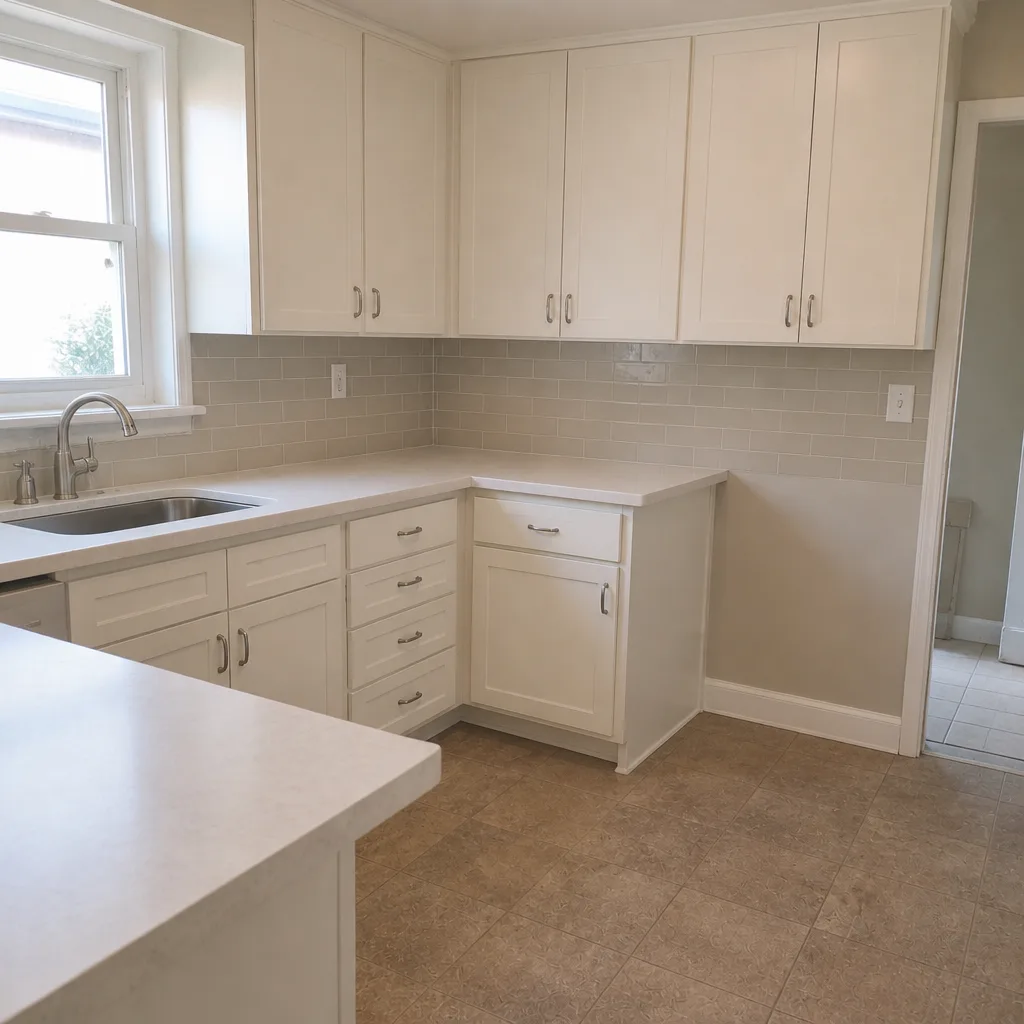 After
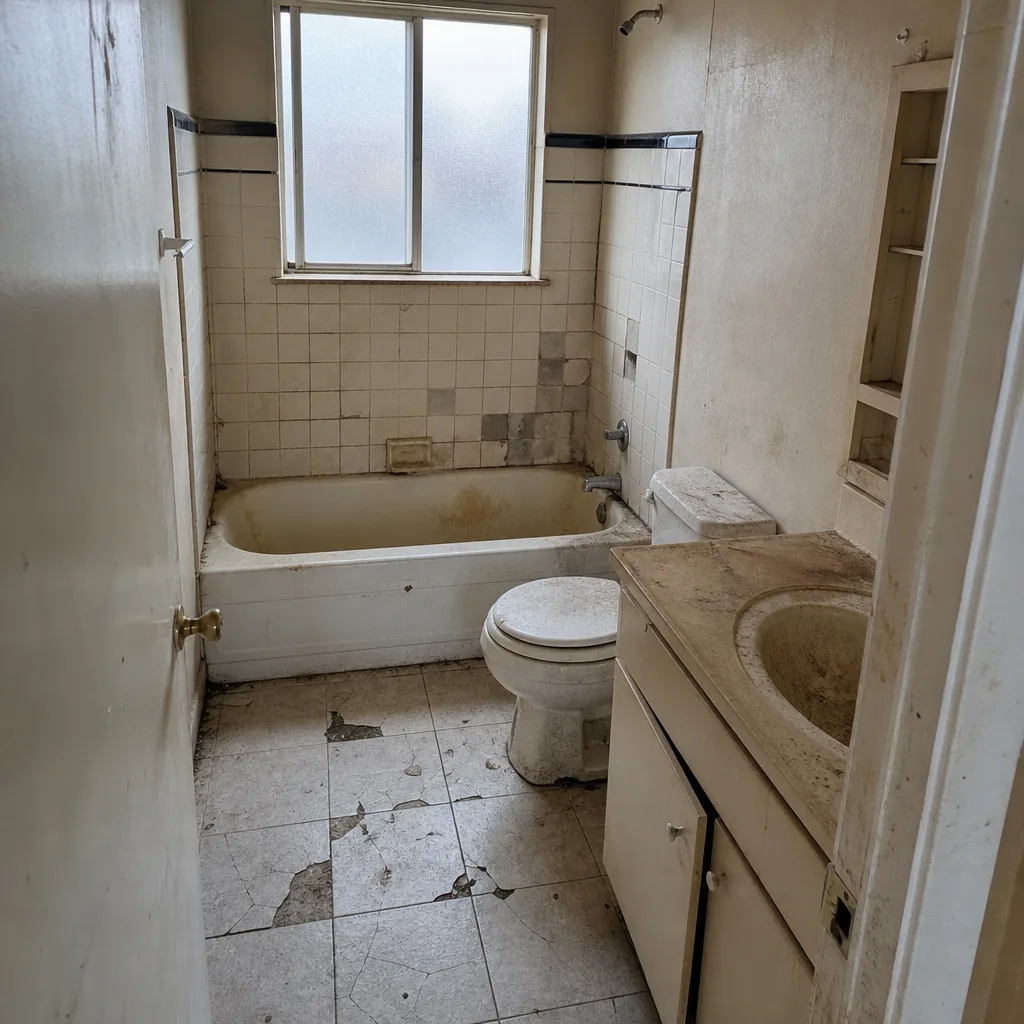 Before
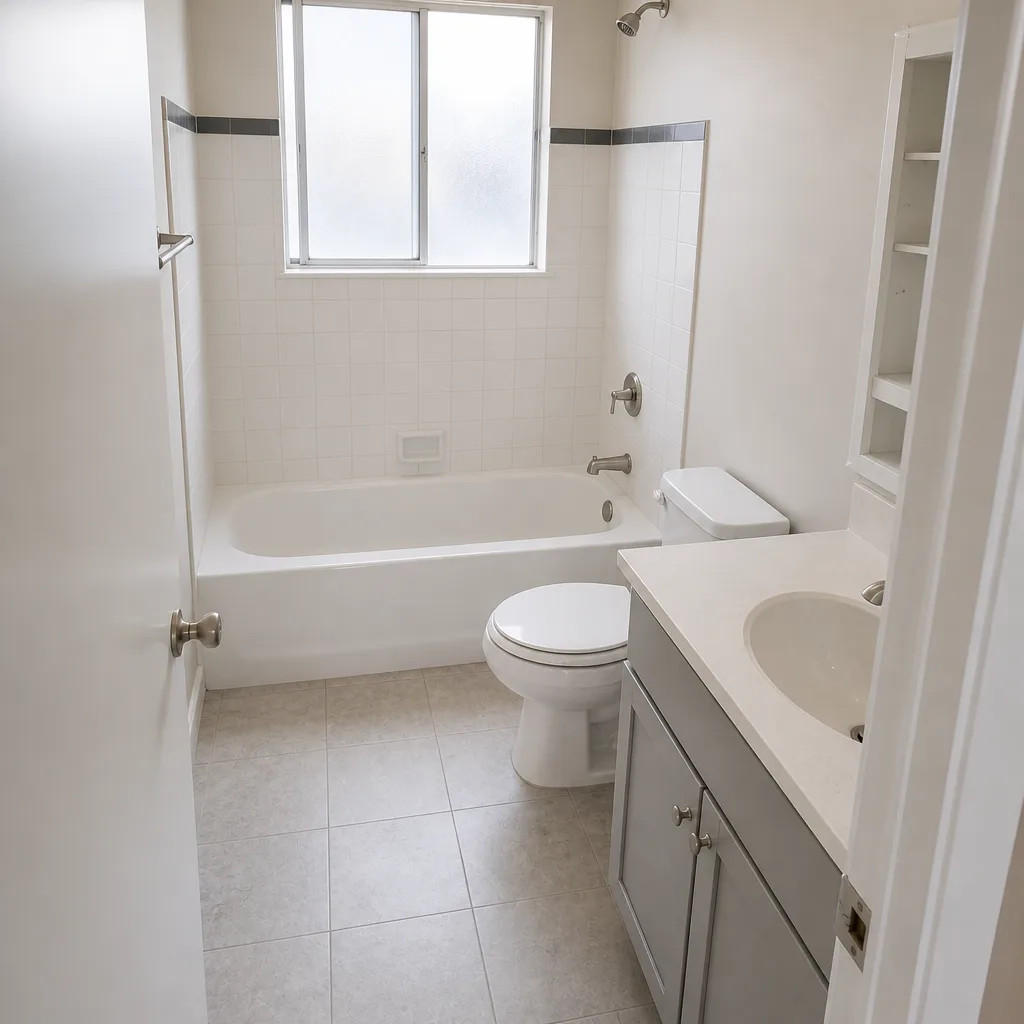 After
When to Call a Professional

Call a licensed general contractor when any of these is true: the project requires a permit, the work touches structural framing, electrical service, gas lines, or the waterproofing envelope over living space, or the work will be visible on a future inspection report. Also call when the scope is bigger than one trade – a kitchen that needs plumbing, electrical and cabinetry in the same room rarely goes well with a piecemeal approach. Bradford Remodeling Co Fairfield offers free estimates in Fairfield – call (833) 998-3242. We put a written price in front of you before any work starts, and every completed project carries our 365-Day Done Right Promise: if the work fails within a full year, we come back and correct it at no charge.
Frequently Asked Questions
Cosmetic finish work generally doesn’t require a permit in Fairfield: interior painting, trim, tile on a prepped substrate, flooring over an existing subfloor, cabinet hardware and refacing, and swapping fixtures on existing circuits. Anything structural, electrical service-related, plumbing relocation, gas, or square-footage related does require a permit and licensed work. When in doubt about a specific scope, call the city before you start. Call (833) 998-3242 if you want a professional opinion on where your project lands.
Yes. If a loss traces back to unpermitted electrical, plumbing or structural work, a carrier can deny the claim or pay a reduced amount. Insurers care about the same things inspectors do: was the work done to code, and was it inspected. A pulled permit and a passed inspection are the documentation your policy expects. Call us for an estimate on doing the work to that standard from the start.
Yes. California requires sellers to disclose known unpermitted work on the transfer disclosure statement. And practically, an inspector will find it anyway – unpermitted additions are one of the first things they look for. Disclose it and expect a negotiation. Better: pull the permit and correct it before listing. Call (833) 998-3242 to have a licensed contractor walk you through the remediation.
You can, and some homeowners do it successfully. It’s demanding work. You become responsible for the permit, the schedule, the inspection sequence, the subcontractor licensing, and every interface between trades. For anything spanning more than two trades, the coordination cost usually exceeds the savings. A general contractor takes that coordination off your plate and puts the price in writing.
An unpermitted garage conversion or addition. It’s expensive because remediation isn’t cosmetic – you often have to open walls for inspection, correct the framing or electrical, and re-permit the whole scope. That cost lands on the seller at closing, when leverage is lowest. Call us if you’ve inherited one and want an honest read on what correcting it involves.
Yes – it’s the hybrid approach and it works well. The usual split is: the contractor handles permits, structural, electrical, plumbing, gas and drywall; you handle paint, trim, hardware and finish. The critical step is putting the split in writing in your contract, so the permit and the warranty cover the right scope. Call (833) 998-3242 to talk through a hybrid project and get a written price before you commit.
The Bottom Line
The DIY-versus-contractor question isn’t about skill. It’s about permits, life-safety systems, and what a future buyer’s inspector will find. Cosmetic finish work – paint, trim, tile, hardware – is genuinely yours to take on. Structural changes, panel upgrades, gas lines, and waterproofing over living space belong to a licensed contractor, every time. And unpermitted work in California follows the house: it hits insurance, it hits disclosure, and it hits the closing table. Fairfield homeowners who sort their project through those three filters before they start save themselves the most expensive lesson in remodeling. When a project crosses the line, get a written price and a written guarantee before the first tool moves. Call (833) 998-3242 for a free estimate, and start at our Bradford Remodeling Co Fairfield home page if you want to see how we run a job – squared away, documented, and guaranteed for a full year.
For homeowners who want an honest read on their own project, we’ve written separately about what a professional remodel looks like from start to close and how a written scope keeps a project honest on both sides.
Written by the team at Bradford Remodeling Co Fairfield.