Last updated November 17, 2026




Free written scope consultation - allowances, timeline, and change-order rules on paper before a single trade is scheduled
How to Hire a Construction Contractor in Fairfield: A Step-by-Step Guide
Of every ten remodeling disputes that reach the Contractors State License Board, most involve contractors who were licensed and insured. Read that again, because it breaks the advice you’ve probably been given. The standard checklist – three bids, a glance at reviews, a look at the license status – would have cleared nearly all of them. What it wouldn’t catch is the contractor who never put scope, price, or guarantee in a document you can enforce. This guide walks you through a Fairfield vetting sequence built around accountability, not paperwork theater. You’ll learn to read a CSLB detail page properly, spot the line items a real bid must contain, and separate a written guarantee from a verbal promise.
Quick Answer
To hire a contractor in Fairfield the right way, you vet for accountability before you sign: pull the CSLB license detail page and read the bond, workers’ comp, and complaint history, not just the active status; demand a written contract that meets California Business and Professions Code §7159; and get the price, scope, and guarantee in writing before a tool comes out. A licensed contractor who won’t put those three things in a document is the one to walk away from.
Styles & brands we work with
- Kitchen remodeling
- Bathroom remodeling
- Home additions & ADU
- Roofing
- Windows & doors
- Driveway & pavers
- Fence
Table of Contents
- Reading a CSLB License Page Beyond Active Status
- What Your California Contract Must Contain
- Who Holds the License on Electrical, Plumbing, and HVAC
- Written Guarantee vs. Verbal Promise
- Reading the Bid: Red Flags in the Document
- The Fairfield Vetting Sequence, Step by Step
- Common Mistakes to Avoid
- Frequently Asked Questions
Reading a CSLB License Page Beyond Active Status
Most Fairfield homeowners check one thing on the CSLB website: whether the license says “active.” That’s the starting line, not the finish. The detail page holds the information that actually predicts how a job will go, and it’s all free to look at. Here’s what we tell people to read, line by line.
- License classification. A general building contractor (Class B) is what you want for a whole-home remodel. A specialty license (C-class) covers trades like electrical, plumbing, or HVAC but not a full remodel that touches structure. If a Class C licensee is bidding your room addition, that’s a scope problem.
- Bond amount. California requires a contractor bond, and the current statutory minimum is $25,000. The bond is not insurance for you, but a contractor whose bond has lapsed or been reduced is a contractor the CSLB has already flagged. Confirm the bond shows as current.
- Workers’ compensation coverage. If the contractor has employees, workers’ comp must be current. If the page shows an exemption, the contractor is claiming no employees, which means anyone else on your Fairfield job site is a subcontractor. That’s legitimate, but it changes who’s responsible for what.
- Complaint and disciplinary history. The CSLB publishes disclosed complaints and any actions taken. A single old complaint resolved to the board’s satisfaction reads differently than a pattern of “failure to complete work.” Look at dates and outcomes, not just the count.
- License expiration. A license days from expiring is a contractor who may not be able to pull permits by the time your job starts. Check the date.
We’ve spent years matching projects to licensed crews, and the pattern is consistent: the problems cluster around contractors whose CSLB page had something the homeowner never scrolled down to read. Take ten minutes. It’s the cheapest insurance in the process.
What Your California Contract Must Contain
California Business and Professions Code §7159 spells out what a home improvement contract has to include. Most homeowners never ask whether the contract they’re handed actually meets it. A contract that’s missing required elements isn’t just sloppy, it’s a document with weaker footing if you ever need to enforce it. A compliant contract for a Fairfield remodel must include, in writing:
- The contractor’s name, business address, and license number.
- The date the contract is signed and the start and completion dates (or a stated basis for them).
- A description of the work and the materials to be used, specific enough to price. “Kitchen update” is not a description.
- The total price, including finance charges if any, and the payment schedule.
- A schedule of payments tied to milestones, not to a calendar alone.
- The down payment, which for home improvement contracts in California cannot exceed $1,000 or 10% of the contract price, whichever is less.
- Notice of the right to cancel, and the mechanics lien warning required by law.
- A statement of what the guarantee or warranty covers, and for how long.
That down-payment rule trips people up. We’ve seen Fairfield homeowners hand over a third of the contract price before materials land on site because nobody mentioned §7159’s cap. A contractor who asks for more upfront than the law allows has told you something about how the rest of the job will be managed. If you’re weighing a general contractor in Fairfield for a larger project, this section of the contract is where you read most carefully.
Every Bradford Remodeling project carries a written price before work begins, and that price sits inside a contract built to §7159 – no numbers that move at the door. That’s The Garrison Standard in practice: if it isn’t in the document, it isn’t a promise.
Who Holds the License on Electrical, Plumbing, and HVAC
Here’s the question almost no one asks during a bid: when the electrical, plumbing, or HVAC work gets done, who holds the license on that permit? The answer tells you how much of your job is subcontracted out and to whom. It matters because under California law, the subcontracted trade work still runs through the licensed contractor you hired, and the permit pull should reflect that.
Ask directly and write down the answers:
- Are the electrical, plumbing, and HVAC trades handled in-house or subcontracted? Get names.
- Will each sub be licensed, and can you see their license numbers before work begins?
- Who pulls the permit on each trade, and whose name appears on it?
- If a subcontractor’s work fails, who returns to fix it – the sub, or the contractor you signed with?
- Are the subs covered by the general contractor’s insurance, and do they carry their own workers’ comp?
A contractor who can answer these cleanly, in writing, has a roster they actually manage. One who gets vague about “our guys” or “we handle it” is telling you the subcontractor relationship is informal, and informality is where the finger-pointing starts when a rough-in fails an inspection. Fairfield and Solano County inspectors expect permits pulled and inspections passed. Confirm your contractor expects the same thing.
Written Guarantee vs. Verbal Promise
A verbal “we stand behind our work” is worth exactly what’s written down, which is nothing. In California, the legal term “workmanship warranty” has a specific and limited meaning: it’s a contractual commitment by the contractor to correct defects in their workmanship for a stated period. It does not cover material failures (those fall to the manufacturer’s warranty), and it does not cover damage from misuse, weather events, or work done by someone else after the fact. Understanding that distinction is how you evaluate what you’re actually being offered.
Compare two guarantees side by side:
- What’s covered. Workmanship only? Or workmanship plus the labor to correct a manufacturer’s defect? Read the scope sentence twice.
- For how long. “One year” is the common standard. Anything shorter is a flag. Our Bradford Remodeling Co Fairfield home guarantee runs a full 365 days, and if work fails inside that window, we return and correct it at no charge.
- What triggers a return visit. Is it a phone call, a written request, a site visit? The best guarantees name the process.
- What voids it. Some workmanship warranties are void if anyone else touches the work. That’s reasonable, but you should know it going in.
- Who’s on the hook. If the contractor sells the business or closes, what happens to the guarantee? A written guarantee tied to the company, not a person, is stronger.
Evaluate a guarantee the way you’d evaluate a receipt: dated, signed, specific, and in your hand at job close. A signed written guarantee is the difference between a promise and an enforceable commitment, and a contractor who won’t put one in writing has told you what the promise is worth. When you get a bathroom remodeling in Fairfield quote, ask to see the guarantee language before you sign; it’s part of the price you’re being quoted.
Reading the Bid: Red Flags in the Document
A bid is a document, and documents leak information about how the job will be run. What’s missing from a bid matters more than what’s polished in it. Three patterns we watch for:
- Lump-sum pricing with no line items. A single number for the whole job tells you nothing about materials, labor, or allowances. When the project hits a decision point – which cabinet finish, which tile – a lump-sum bid has no mechanism to keep the price from moving. Line-item bids keep the number where it started.
- Missing line items. A complete bid for a kitchen should list cabinets, countertops, fixtures, tile, labor by trade, permit fees, and disposal. A bid that’s silent on permit fees, dumpster rental, or finish carpentry isn’t a lower price; it’s a price that will grow.
- Vague payment schedules. Progress payments tied to “start of work,” “midway,” and “completion” are calendar guesses. Payments should tie to inspectable milestones. If the schedule is loose, hold it to §7159’s down-payment cap and set your own milestones in writing before signing.
We’ve watched Fairfield homeowners sign a one-line bid and then discover, mid-job, that the substrate repair, the soffit work, and the rough-in inspections weren’t in anyone’s scope. A line-item bid with a written price is a bid you can actually hold someone to. When you’re pricing a kitchen remodeling in Fairfield, insist on line items and brand names – KraftMaid or Wellborn cabinetry, Cambria or Caesarstone surfaces – so the bid is traceable to specifications, not to a guess.
The Fairfield Vetting Sequence, Step by Step
Here’s the sequence we’d run if we were hiring a contractor for our own Fairfield home. It filters for accountability before you commit a dollar.
- Pull the CSLB detail page. Verify active status, classification, bond, workers’ comp, and complaint history. Note the license number and expiration date.
- Ask for a documented brand and material list. A contractor who specifies real products – Therma-Tru doors, GAF roofing, James Hardie siding – can back the spec with manufacturer warranties. Vague product names are a blank check.
- Request two or three itemized bids in writing. Compare line by line, not bottom line. Note which bids include permits, disposal, and finish carpentry, and which leave them out.
- Ask the subcontractor questions. Who holds the license on each trade permit, and who returns if a sub’s work fails. Get it in writing.
- Read the contract against §7159. Check the down-payment cap, the payment schedule, the start and completion dates, and the notice of right to cancel.
- Request the guarantee language before signing. Read the scope, the duration, the trigger process, and what voids it. Confirm it’s tied to the company, not an individual.
- Confirm who answers the phone. Call the number during business hours and after. If you get a voicemail, you’ve learned how a return-visit request will go.
- Sign only when the scope, the price, and the guarantee are all in the document. Not before.
This is the sequence Bradford Remodeling was built around, and it’s why every project starts with a written price and ends with a signed guarantee in your hand. The Garrison Code isn’t a slogan; it’s the order of operations above.
Common Mistakes to Avoid
- Checking only that the license is active. A licensed contractor with a lapsed bond or a pattern of complaints can still leave you exposed. Read the full CSLB page.
- Paying more upfront than §7159 allows. The down-payment cap is $1,000 or 10%, whichever is less. A contractor who asks for more has broken a rule before the job started.
- Choosing the lowest bid without reading line items. A low lump-sum bid usually hides the permits, disposal, and substrate work you’ll pay for later.
- Accepting a verbal guarantee. “Workmanship warranty” has a legal meaning in California. Get it in writing, dated, and signed, or it’s not a guarantee.
- Not asking who holds the trade permits. If electrical, plumbing, or HVAC is subbed out, you need to know whose license and insurance are behind it before work begins.
- Skipping the material spec. A bid without brand names leaves quality to guesswork. From Therma-Tru doors to Cambria counters, traceable specs protect your guarantee.
- Ignoring the phone test. A contractor who answers with a live person will handle your return-visit request the same way. One who routes you to voicemail won’t change after the check clears.
See the difference
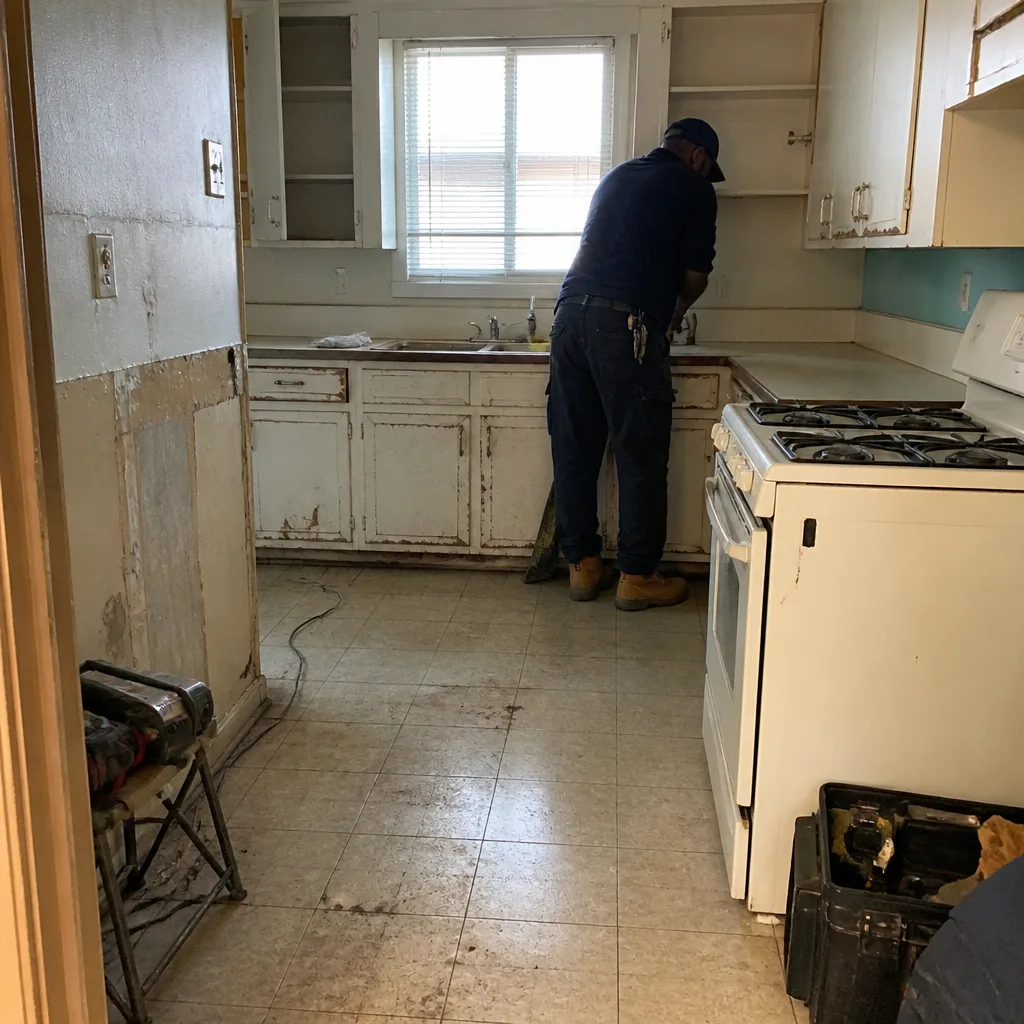 Before
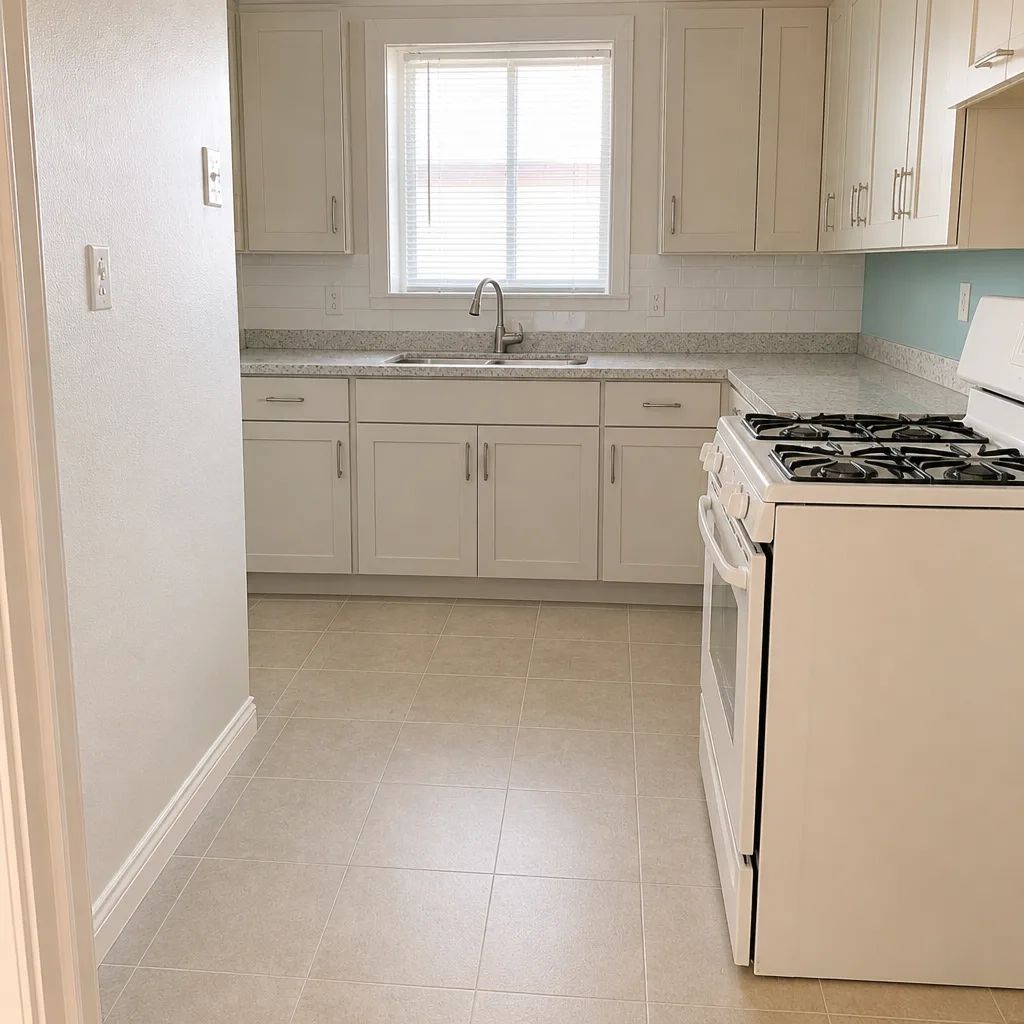 After
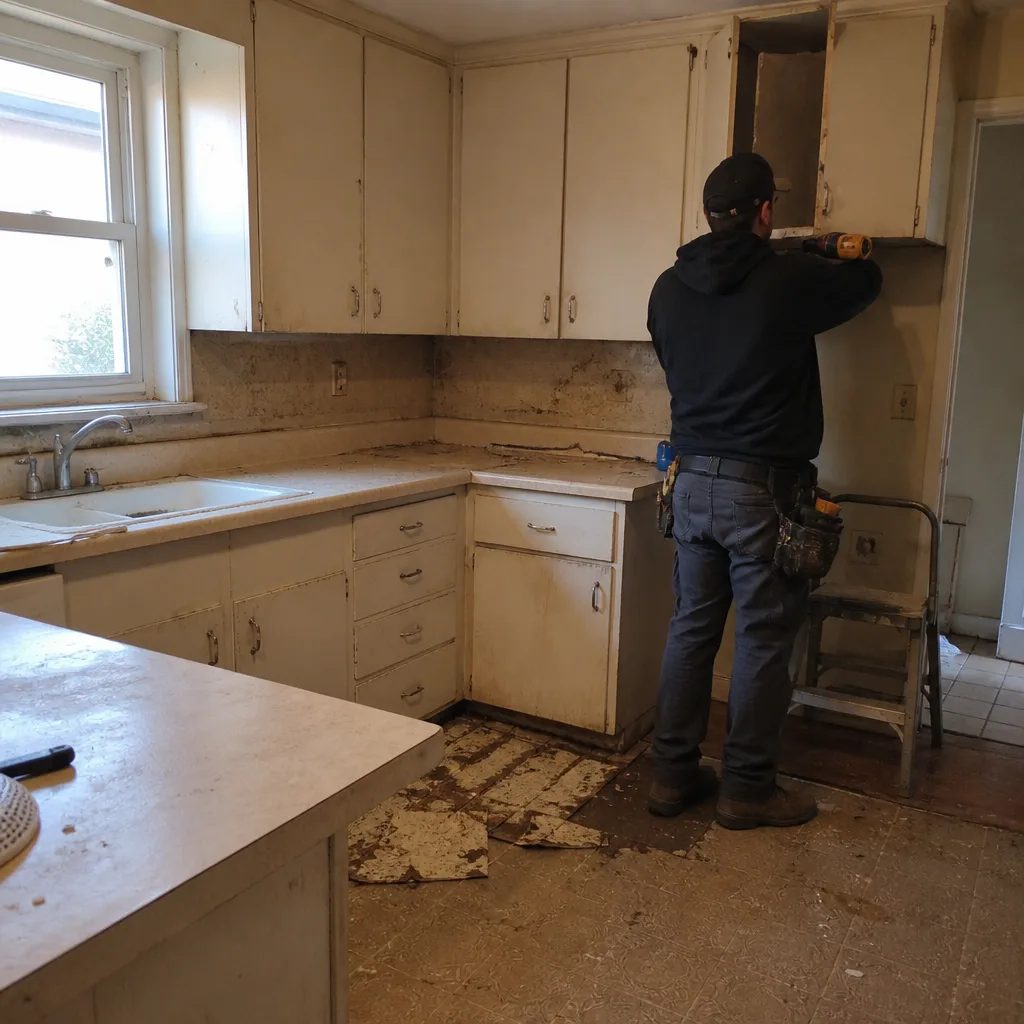 Before
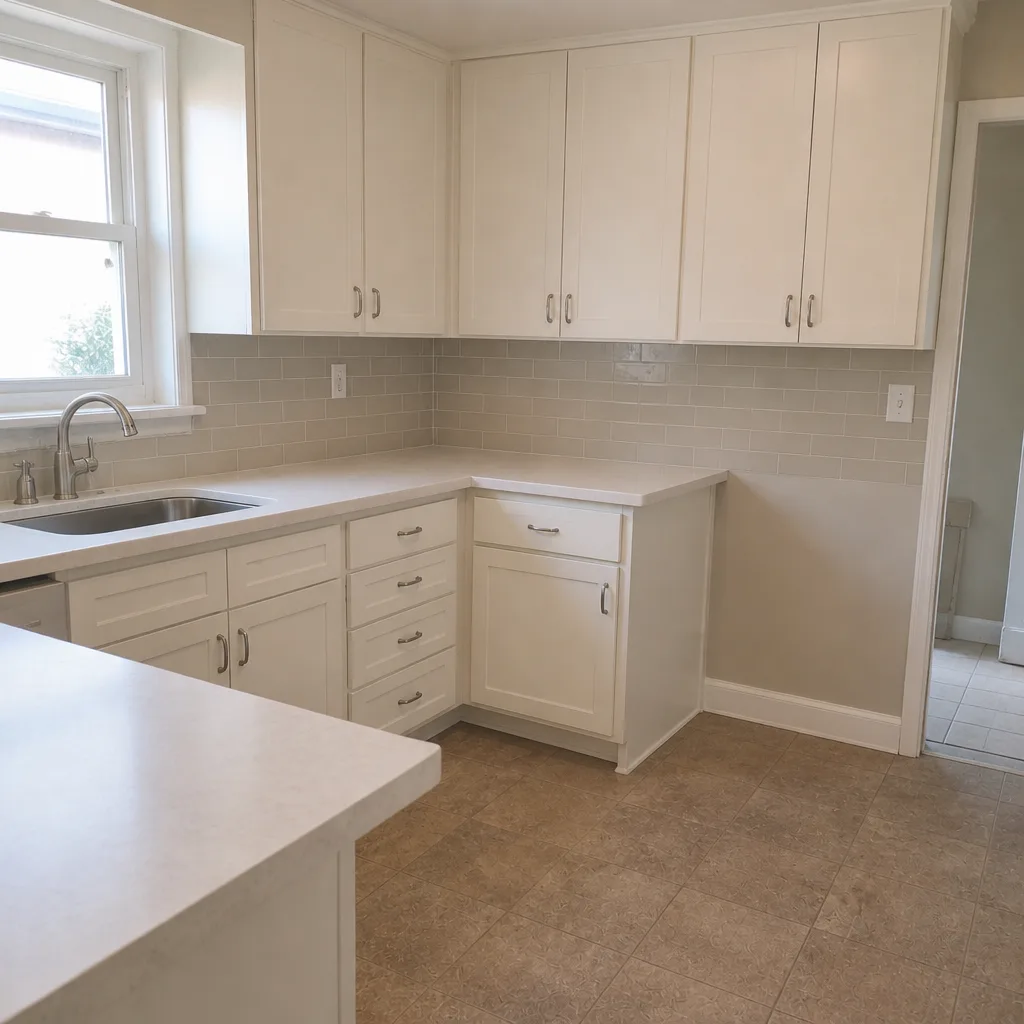 After
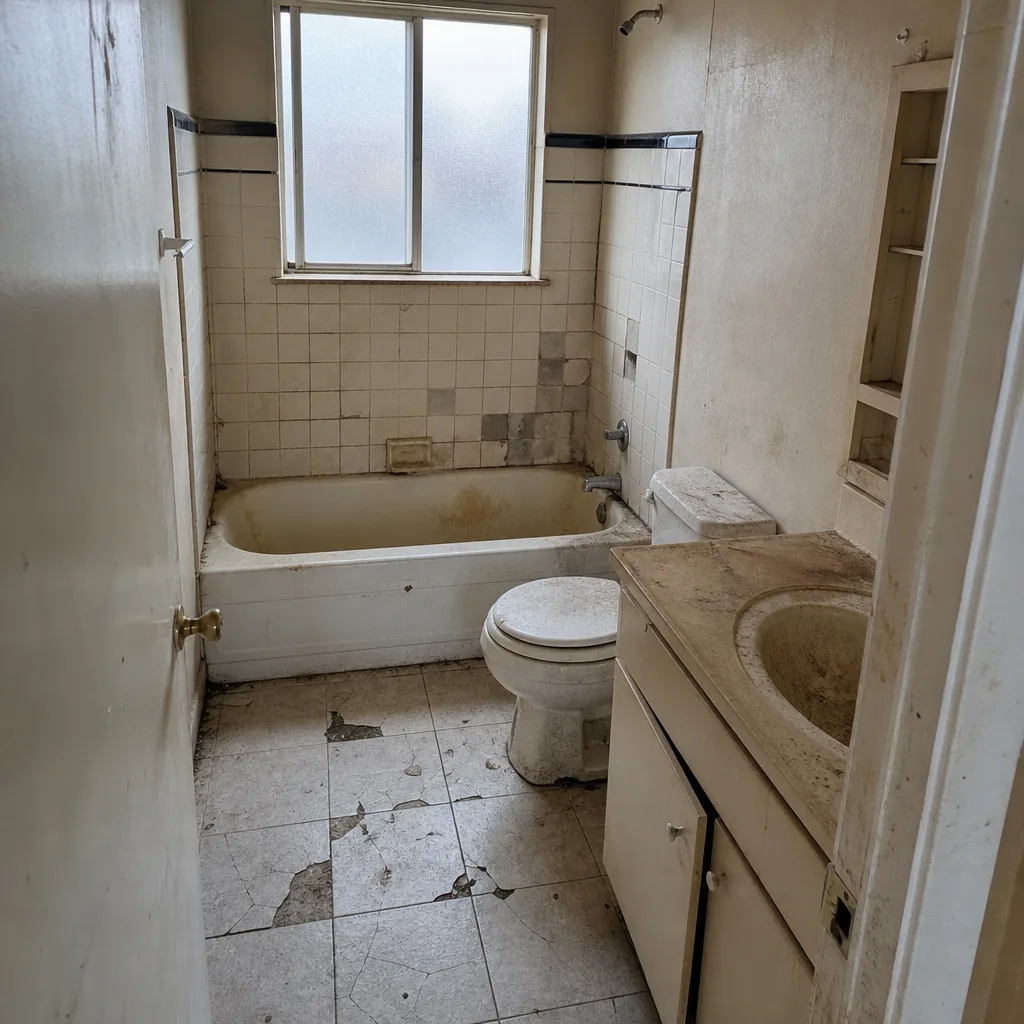 Before
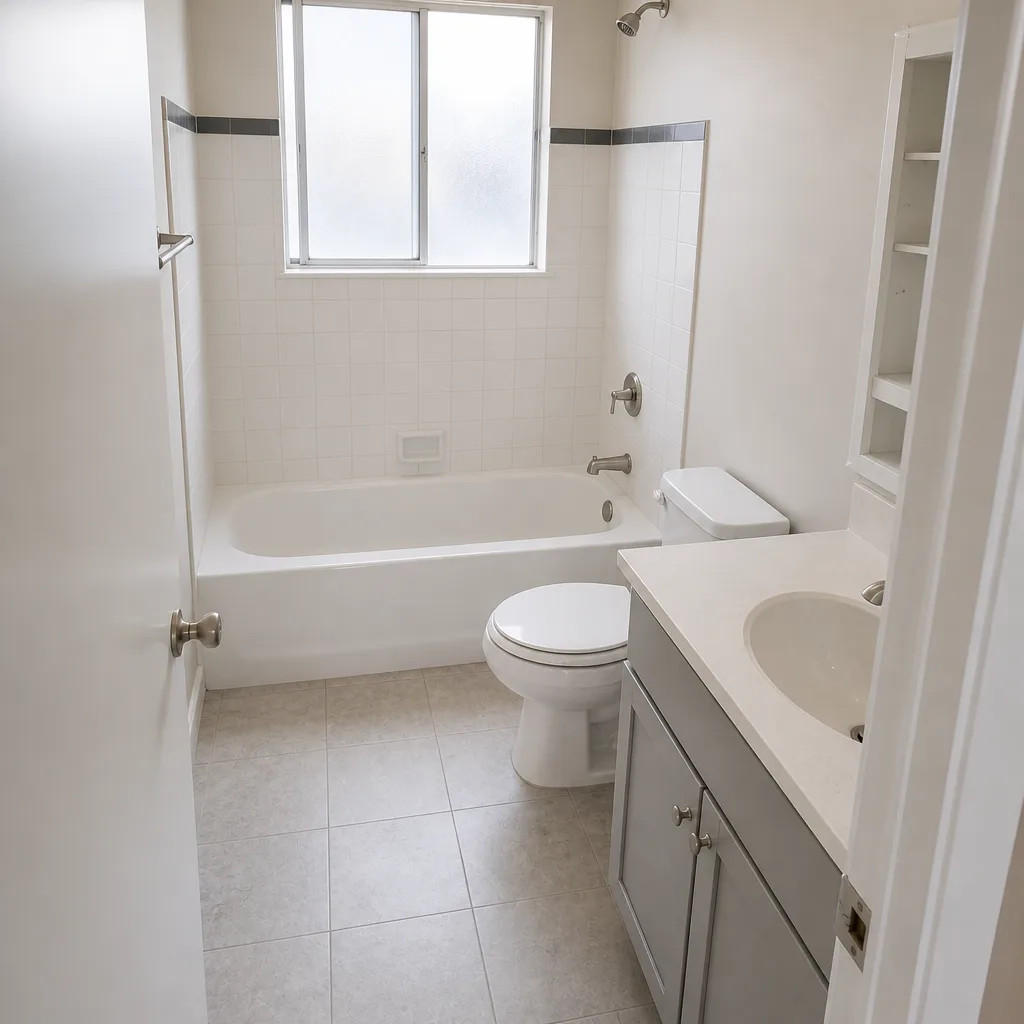 After
When to Call a Professional
Some work has no safe DIY path. If your project touches the electrical panel, gas lines, load-bearing structure, or high-tension components, stop and call a trained professional. Pulling a permit and passing inspection in Fairfield means the work is done to code, and that’s an accountability chain a homeowner can’t replicate alone. Call a professional when a project involves moving walls, rerouting plumbing, replacing a panel, or anything larger than a cosmetic refresh. If you’re weighing bids for a whole-home or kitchen project and want a written price to compare against, Bradford Remodeling Co Fairfield offers free estimates in Fairfield. Call (833) 998-3242 to schedule yours. Live person, every time.
Frequently Asked Questions
Go to the Contractors State License Board website and search by name or license number. Read beyond the active status: verify the license classification (Class B for general building, C-class for specialty trades), the bond shows current, workers’ comp is current or an exemption is filed, and any complaint history is disclosed. Note the license expiration date. Call (833) 998-3242 for a written price on your project – estimates are free.
No. For home improvement contracts, California Business and Professions Code §7159 caps the down payment at $1,000 or 10% of the contract price, whichever is less. A contractor asking for more has broken the rule before work begins. Any reputable contractor should agree to that cap in writing. Call (833) 998-3242 to ask how Bradford structures payments on a written price.
It’s a contractual commitment by the contractor to correct defects in their own workmanship for a stated period. It does not cover material failures (those are the manufacturer’s warranty) or damage from misuse or outside work. Read the scope closely. Bradford’s 365-Day Done Right Promise runs a full year – if the work fails inside that window, we return and correct it at no charge. Call (833) 998-3242 to see the guarantee language before you sign.
Three itemized bids, always. Three lump-sum numbers just tell you the lowest total. Itemized bids let you compare line by line – who includes permits, disposal, substrate repair, and finish carpentry, and who leaves them out. A low total that’s missing line items is usually the more expensive job. Call (833) 998-3242 for a written, itemized estimate in Fairfield.
The licensed contractor you hired is responsible to you, regardless of who physically did the trade work. California treats the subcontracted trade as running through the licensed general contractor. That’s why you ask for sub names, license numbers, and who pulls each permit before signing. If a sub’s rough-in fails inspection, the contractor you signed with should stand behind the correction. Call (833) 998-3242 to ask how Bradford manages its trade relationships.
A kitchen typically runs several weeks to a few months depending on scope; a whole-home remodel takes longer. What matters more than the number is whether the contract states start and completion dates (or a basis for them) and ties payments to milestones. A contractor who won’t commit to dates in writing has nothing to be held to. Call (833) 998-3242 for a written schedule and price on your Fairfield project.
The Bottom Line
The standard vetting list – three bids, reviews, license status – clears contractors who still fail you, because it doesn’t check accountability. What actually protects you is a sequence: read the CSLB detail page fully, demand itemized bids, ask who holds each trade license, confirm the contract meets §7159, and get the guarantee in writing before you sign. A contractor who puts the scope, price, and guarantee in a document you can enforce is the one to hire. Everyone else is a verbal promise. Call (833) 998-3242 to schedule a free estimate with Bradford Remodeling Co Fairfield.
Written by the team at Bradford Remodeling Co Fairfield.